Peptide Show copertina

Peptide Show

Peptide Show

Di: Longr
Ascolta gratuitamente

Offerte di stagione | 0,99 €/mese per i primi 3 mesi

A seguire 9,99 €/mese – si applicano condizioni. Puoi disdire mensilmente.
A proposito di questo titolo
Welcome to the world of Peptides. New episodes every Tuesday.Longr Holdings Inc. Igiene e vita sana Medicina alternativa e complementare
  • Robert Breedlove: Can peptides help your gut issues?
    Nov 24 2026

    Imagine if even a gummy bear made you ill.

    Robert spent a decade looking for answers to persistent gut problems. His first trial of oral BPC-157 didn’t resolve his symptoms. Years later, he combined a peptide stack with a microbiome rehabilitation program and says he could eat carbs again within three months. Because he tried both together, he cannot separate their effects.

    Robert is a writer, former hedge fund manager, and host of The “What is Money?” Show.

    He joins Richard Skaife to talk about what changed, why he stopped assuming natural treatments were better, and how he uses practitioners, AI, and independent testing to decide what to trust.

    He explains

    ■ Why he tried BPC-157, TB-500, GHK-Cu, and KPV together
    ■ What happened when he cycled off the peptide stack
    ■ Why he stopped assuming natural treatments were better
    ■ How he uses AI as one advisor among many
    ■ Why he sent research-use-only tirzepatide for independent testing

    Chapters

    • (00:00) - Intro
    • (00:55) - Meet Robert Breedlove
    • (02:01) - Ten years of gut problems
    • (06:40) - Trying peptides alongside microbiome rehab
    • (09:28) - Inside the KLOW peptide stack
    • (12:20) - What happened when he stopped?
    • (13:19) - When doctors don’t have answers
    • (15:05) - Is “natural” always better?
    • (18:35) - Second opinions, AI, and who to trust
    • (20:21) - Are peptides going mainstream?
    • (22:30) - Testing research-use-only tirzepatide

    Watch the full episode on YouTube

    Further reading

    Robert Breedlove. His own account of using a peptide stack alongside microbiome rehabilitation. Read Robert’s post

    FDA. Safety concerns and gaps in human data for compounds discussed in the episode, including BPC-157, KPV, injectable GHK-Cu, and TB-500. Read the FDA assessment

    FDA. Quality and dosing concerns around unapproved GLP-1 products, including tirzepatide and products sold under research-use labels. Read the FDA overview

    Read the full transcript

    Follow Robert Breedlove

    Instagram: @breedlove_22
    X: @Breedlove22
    Podcast: The “What is Money?” Show

    Follow Richard Skaife

    LinkedIn: linkedin.com/in/richardskaife/

    Peptide Show

    Website: Peptide.Show
    Instagram: @Peptide.Show
    TikTok: @peptide.show
    Facebook: Peptide Show
    X: @peptideshow
    YouTube: @PeptideShow

    Peptide Show explores the science, medicine, business, and people shaping the rapidly evolving world of peptides.

    Presented by Longr: longr.io

    Follow Peptide Show for new episodes every Tuesday.

    This podcast is for informational and educational purposes only. Some compounds discussed in this episode are investigational, unapproved for the uses discussed, or subject to changing regulatory requirements.

    Mostra di più Mostra meno
    26 min
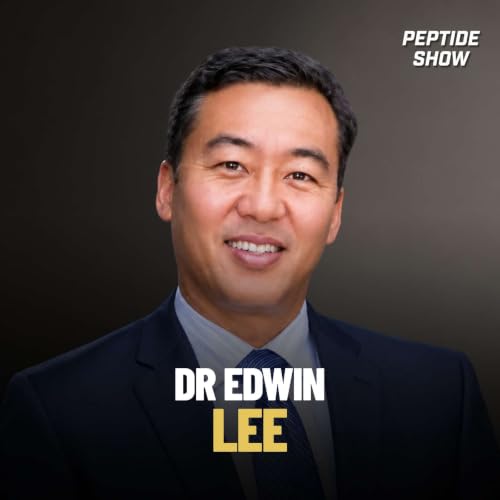
  • Dr Edwin Lee: Do you know peptides better than your doctor?
    Nov 17 2026
    Ten peptide vials in a Ziploc bag. No labels. One of Dr Edwin Lee’s sons took the photo at college. The vials belonged to his roommate, who was into peptides. There was no way to tell what was in them. At a swimming pool, a 22-year-old lifeguard told Edwin he was using peptides too. Edwin reckoned the lifeguard knew more about them than many doctors. Edwin is an endocrinologist and co-founder of the Clinical Peptide Society, where he teaches clinicians about peptides. He joins Richard Skaife to talk about what patients are already trying, what doctors are being asked to prescribe, and what happens when someone has a side effect and nobody records it. He explains■ What a “yes” from FDA advisers means for peptides such as BPC-157 and Epitalon■ Why he wants a registry that makes peptide side effects visible■ Why he starts with sleep, nutrition, and hormones before introducing peptides in his own practice■ What he’d want a larger human trial to answer about SS-31 and diabetic kidney disease■ How he’d test BPC-157 and thymosin beta 4 for knee injuries to see whether either works alone, whether the combination works better, or whether placebo tells a different storyChapters(00:00) - Intro(00:40) - Meet Dr Edwin Lee(02:01) - How Edwin got into peptides(04:25) - How the peptide gray market took off(05:58) - What does a “yes” from FDA advisers mean?(09:18) - Are doctors keeping up with peptides?(14:22) - Who’s tracking peptide side effects?(17:03) - Sleep, hormones, and Edwin’s approach(20:55) - When patients ask for peptides by name(22:07) - The human trials Edwin would run(24:19) - Could peptides become a $100 billion market?Watch the full episode on YouTube Further readingFDA. The July 2026 advisory meeting materials name the seven peptide groups under consideration and the uses the FDA reviewed for each. Read the FDA meeting materialsDinetz and Lee. Edwin co-authored a narrative review of human studies on thymosin alpha 1, the peptide he discusses from an earlier FDA advisory meeting. Read the review on PubMedFDA MedWatch. The FDA’s existing reporting program accepts reports from patients and health professionals about suspected serious reactions and product quality problems. See how MedWatch worksRead the full transcript Follow Dr Edwin LeeClinical Peptide Society: Edwin Lee’s profileFollow Richard SkaifeLinkedIn: linkedin.com/in/richardskaife/Peptide ShowWebsite: Peptide.ShowInstagram: @Peptide.ShowTikTok: @peptide.showFacebook: Peptide ShowX: @peptideshowYouTube: @PeptideShowPeptide Show explores the science, medicine, business, and people shaping the rapidly evolving world of peptides.Presented by Longr: longr.ioFollow Peptide Show for new episodes every Tuesday.This podcast is for informational and educational purposes only. Some compounds discussed in this episode are investigational, unapproved for the uses discussed, or subject to changing regulatory requirements.
    Mostra di più Mostra meno
    28 min
  • Dr Karsten Eastman: Can peptides treat inflammation?
    Nov 10 2026
    Could peptides for inflammation be bigger than GLP-1s? Dr Karsten Eastman thinks they could be. His team is exploring whether a peptide can reduce inflammation while allowing tissue repair to continue. Karsten is the co-founder and CEO of Sethera Therapeutics. The company grew out of his PhD research at the University of Utah, where he and his supervisor used an enzyme from bacteria to reshape peptides they’d made in the lab. He joins Richard Skaife to discuss why he thinks some grey-market peptides may be expensive placebos, what it takes to make a peptide work as a pill, and where he’d put a couple of hundred million dollars to test new ideas in people. He explains:■ Why some peptides break down before they get a chance to work■ How an enzyme from bacteria can tie peptides into rings■ What it takes to make a peptide medicine work as a pill■ Why he’d prioritise cancer and inflammation for research■ What would persuade drug companies to invest in new peptide medicinesChapters(00:00) - Intro with Dr Karsten Eastman(02:44) - Designing peptides from scratch(07:41) - Do grey-market peptides work?(10:27) - How long do peptides last in the body?(12:28) - Can peptides work as pills?(14:19) - The $200m question: What would you test first?(15:36) - Bigger than GLP-1s? The inflammation bet(16:36) - Does peptide hype help or hurt?(20:05) - The future of peptide manufacturing and AI(22:00) - What does Big Pharma want from peptides?(23:39) - Can you patent a peptide?Watch the full episode on YouTube Further readingPNAS. Karsten and his colleagues show how a bacterial enzyme called PapB can tie a range of peptides into rings. Read the study on reshaping peptides with PapBACS Bio & Med Chem Au. The team used the same enzyme to make ringed versions of three GLP-1-like peptides in the lab. Read the study on ring-shaped GLP-1-like peptidesSethera Therapeutics. The company announced funding for a research collaboration with Roswell Park Comprehensive Cancer Center to target mutant p53 in breast cancer. Read the research announcementImage credit. University of Utah Presidents Circle, photographed by MrSchmidt. View the campus photo · CC BY-SA 4.0Read the full transcript Follow Dr Karsten EastmanLinkedIn: linkedin.com/in/karsten-eastman/Website: setheratx.comFollow Richard SkaifeLinkedIn: linkedin.com/in/richardskaife/Peptide ShowWebsite: Peptide.ShowInstagram: @Peptide.ShowTikTok: @peptide.showFacebook: Peptide ShowX: @peptideshowYouTube: @PeptideShowPeptide Show explores the science, medicine, business, and people shaping the rapidly evolving world of peptides.Presented by Longr: longr.ioFollow Peptide Show for new episodes every Tuesday.This podcast is for informational and educational purposes only and does not constitute medical advice. Some compounds discussed in this episode are investigational, unapproved for the uses discussed, or subject to changing regulatory requirements.
    Mostra di più Mostra meno
    26 min
adbl_web_anon_alc_button_suppression_t1
Ancora nessuna recensione