Episodi

  • Brain Fog? Your Brain May Be Thirsty (Even If You’re Not) (Eps. 34)
    Nov 3 2026

    Most of the people I work with tell me they don’t really feel thirsty. But losing just 1–2% of your body’s water can dull your focus and concentration. So in this short episode, we’re not just talking about it. We’re doing it.

    Grab a glass of water (yes, right now) and drink along with me. This do-it-while-you-listen format is inspired by Cas Aarssen of the Clutterbug podcast, who gets her listeners decluttering a drawer while they listen. I put three bags in the Goodwill pile during one episode, so I know it works.

    In this episode:
    • How much water to aim for (the half-your-body-weight-in-ounces starting point)
    • Why your container and your water quality matter: glass or stainless steel, testing your tap water, filtering, and adding electrolytes
    • Why “drink when you’re thirsty” doesn’t work for a lot of us
    • The simple swap: water first, coffee as the reward
    • My plus one: the warm lemon-ginger water I’ve been drinking outside in the morning sunlight for about five years

    Your one thing this week: figure out how many ounces your glass or bottle holds, and find a way to track it.

    (If you have a heart or kidney condition or have been told to limit fluids, check with your doctor before you increase your water.)


    Want help finding the root causes behind your own brain fog? Schedule a free consultation.


    01:00 Why I’m back (and why health coaches deserve some credit)
    03:29 What I learned from a decluttering podcast
    05:40 Pause and go get your water
    06:45 Container, water quality, and electrolytes
    07:35 “I don’t get thirsty”
    08:40 Your first move of the morning
    09:54 The plus one: lemon, ginger, and sunlight


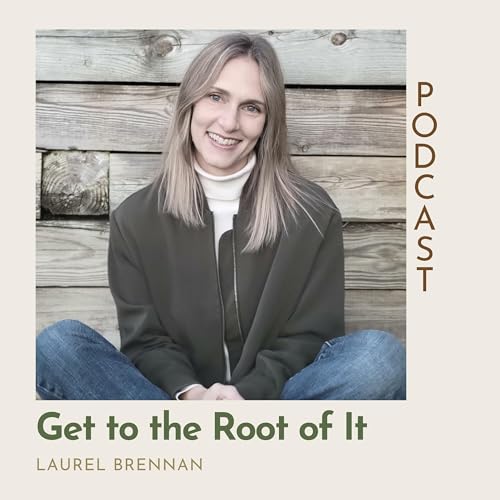
    Get to the Root of It with Laurel Brennan, MOT

    Mostra di più Mostra meno
    12 min
  • Brain Fog, Cancer Scares, and the Question No One Asked: Breast Implant Illness with Wynne Sisk (Eps. 33)
    Oct 26 2026

    Wynne Sisk did her homework. She asked her doctors. She asked the doctors in her family. She asked women who already had implants. She even cut one open and stomped on it to see whether it would leak. Then she got breast implants as a birthday present to herself.

    Months later, part of her thyroid and 13 lymph nodes were gone. They were removed for a cancer that turned out not to be there. Then came the joint pain, the itching, the sleepless nights, and panic attacks, one after another. Her memory scared her most. At 40, with her grandmother’s early-onset Alzheimer’s in the back of her mind, she couldn’t remember whether her daughter had even had a birthday party. Then an elevated CA-125 sent her to the hospital for an ovarian cancer workup. The results came back normal, and nobody could explain why.

    The breakthrough didn’t come from a specialist. It came from her husband, sitting next to her on the couch: “Let’s go backwards.”

    In this episode, Wynne and I talk about:

    • Why “I did my research” wasn’t enough, and how the question you type into Google changes the answer you get
    • The cascade of symptoms that seemed unrelated: thyroid, gut, skin, sleep, memory, anxiety
    • Living through two cancer scares, and the not knowing
    • What it’s like to be treated as if you’re making it up
    • How a three-hour phone call with a stranger and a Facebook group changed everything
    • What to ask a surgeon before explant surgery, and what it cost her out of pocket
    • What healing has looked like since
    • What she does every day now: food, movement, and sleep

    This is the timeline approach we use in functional medicine. You go back and look at what happened before the symptoms started, and you find the connections a 15-minute appointment never will.

    So listen to your body’s whispers so you don’t have to hear it screaming.

    Connect with Wynne:
    Instagram: @greenmissionpossible
    Facebook: Wynne Sisk

    This episode shares one woman’s personal experience and is for education only. It is not medical advice. Breast implant illness is not a formal medical diagnosis, and research is ongoing. The FDA does require breast implant labeling to note that some patients report systemic symptoms such as joint pain, fatigue, and confusion. Talk with a qualified healthcare provider before making decisions about implants or explant surgery.


    Mostra di più Mostra meno
    53 min
  • Misdiagnosed for Years: The Truth About Lyme Disease Testing, Co-Infections & Mold with Tricia Soderstrom (Eps. 32)
    Jul 6 2026

    So many of you have asked me about Lyme disease and mold, and today I'm bringing you someone who has studied - and lived - them both.

    Tricia Soderstrom spent two years chasing a diagnosis while her joint pain, fatigue, and cognitive fog got dismissed as "normal pregnancy stuff" and then "just getting older." When she finally tested positive for Lyme, her doctor gave her the real news: she'd likely had it a long time, probably had co-infections too, and this wasn't going to be quick.

    In this episode, we get into:

    • Why standard Lyme tests miss the diagnosis roughly 70% of the time — and why a negative result doesn't mean you're in the clear
    • What co-infections like Bartonella and Babesia are, and why they change your treatment entirely
    • What happened when Tricia's kids started showing symptoms too, and how a single dose of "prophylactic" antibiotics can quietly sabotage future testing
    • Four and a half years on antibiotics with zero nutritional support — and what she wishes she'd known before starting that protocol
    • The mold connection neither of us expected: how it can make Lyme symptoms worse, and why "the inspector said it's fine" isn't always true (we've both heard that one)
    • Learning to live outside again without holding your breath every time you walk through the grass

    If you've ever been told "your bloodwork is normal" while your body told you something else, this one's for you.

    Find Tricia at aboundinginhopewithlyme.com, and follow her @aboundinginhopewithlyme on Instagram and Facebook.


    You can find Laurel Brennan @rootcauseology and www.rootcauseology.com

    Mostra di più Mostra meno
    47 min
  • Mold, Brain Fog & Autoimmune: How to Test What's Making You Sick (Eps. 31)
    Jun 22 2026

    Your bloodwork came back normal. Your doctor says you're fine. But the brain fog, the joint pain, the fatigue that won't lift — something is off, and no one can tell you what.

    It might be in your house.

    In this episode, functional medicine practitioner Laurel Brennan tells the story of her own mold exposure — what it did to her health and her family's, how long it went undetected, and the moment she finally connected the dots. She breaks down how mold drives inflammation behind autoimmune conditions, brain fog, and neurological symptoms, and why so many people live in water-damaged homes for years without knowing it.

    You'll learn why standard air sampling can miss the problem, how dust-based testing like the ERMI gives you a clearer picture of what's actually in your environment, and the first steps to take if you suspect mold in your home.

    Because when you don't know, you don't know. And once you do, you can't unknow it.

    • Takeaways

      • Mold can cause a wide range of symptoms, from neurological issues to joint pain.
      • Air samples may not be reliable; an ERMI, like The Dust Test, provides better insights.
      • Curiosity and instinct are important in detecting mold problems.
      • Water-damaged homes often harbor hidden mold that affects health.
      • Testing your environment can help prevent long-term health issues.

      Chapters

      00:00Introduction and Personal Journey

      01:00Understanding Mold and Its Health Impacts

      03:18Mold Inspection Experiences

      06:03Symptoms and Family Health Issues

      10:19Moving to a New Home and Initial Relief

      12:08Emerging Symptoms and Concerns

      15:46Learning About Mold Testing

      19:50Deciding on Remediation or Moving

      20:34Challenges in a New Apartment

      22:49The Impact of Mold on Health

      24:20Lessons Learned and Final Thoughts


      Resources

      • Dust Test
      • EnviroBiomics
      • Episode #9 with Brian Karr from WeInspect


    Mostra di più Mostra meno
    30 min
  • Stress, Cortisol, and Heart Health in High-Performing Women (Eps. 30)
    Jun 15 2026

    Summary

    In this episode, Dr. Jen Belew shares her journey from traditional pharmacy to functional medicine, focusing on hormone health, stress management, and cardiovascular wellness for high-performing women. Discover practical insights on testing, hormone therapy, and lifestyle strategies to optimize health and prevent chronic disease.


    Chapters

    00:00 Introduction to Functional Medicine and Hormones

    02:34 Personal Journey into Functional Medicine

    05:24 Common Patterns in High-Performing Women

    07:08 Understanding Cortisol and Its Effects

    10:52 Testing for Cortisol Levels

    12:46 The Connection Between Stress and Cardiovascular Health

    18:16 Listening to Your Body's Signals

    26:46 The Importance of Comprehensive Health Assessments

    27:42 Unwinding the Past: Understanding Health Journeys

    30:00 The Importance of Sleep and Gut Health

    31:04 Hormones, Stress, and Brain Function

    38:12 Exploring Hormone Replacement Therapy

    46:08 Supplements: Tools for Wellness

    50:05 Fueling the Body: Nutrition and Self-Care


    Resources

    Beyond the Dose - Dr. Jen Belew - https://www.beyondthedose.com


    Functional Medicine Pharmacists Alliance - https://www.fmpa.org


    Dutch Testing for Cortisol - https://dutchtest.com


    RootCauseology -

    https://rootcauseology.com/


    Mostra di più Mostra meno
    54 min
  • When Something Has to Give (Eps. 29)
    Jun 8 2026

    I'm back. And if you've ever hit your capacity and something had to give, you already understand why I was gone.

    Season three of Get to the Root of It starts here, with a quick, honest explanation of where I've been, what the last year-plus taught me, and what's coming. Environmental illness, two moves, and a TED talk I almost couldn't deliver. That's the short version. We'll go deeper in a future episode.

    But before we get into all of that, I'm sharing the two things that carried me through the hardest stretch of my life. Not supplements. Not protocols. Trust, and community.

    This is the first of our new mini episodes, short enough for your lunch break, specific enough to actually matter. Solo episodes and guest interviews will alternate all season, designed to be helpful in a real, usable way.

    So if you're new here, welcome. If you're back, thank you for waiting.

    Get to the Root of It returns every Monday at 6am. Season three is just getting started.


    P.S. As promised in the episode, here is the link to see the TEDx talk, "Transforming Brain Health Through Community."


    Mostra di più Mostra meno
    11 min
  • The Lyme - Autoimmune Connection with Dr. Jaquel Patterson (Eps. 28)
    Oct 9 2024

    SUMMARY Dr. Jaquel Patterson, a naturopathic physician, discusses her journey into naturopathic medicine and her focus on Lyme disease and autoimmune conditions. She shares her personal experience with Lyme disease and the challenges of diagnosing and treating it. Dr. Patterson emphasizes the importance of prevention, early detection, and proper testing for Lyme disease and its co-infections. She also discusses the use of antibiotics, herbs, and lifestyle changes in the treatment of Lyme disease. Additionally, she highlights the significance of addressing environmental factors, such as mold, and finding a balance between enjoying nature and preventing tick bites. In this conversation, Dr. Jaquel Patterson discusses Lyme disease and its connection to autoimmune conditions. She provides recommendations for preventing tick bites, including using effective sprays and treating clothing and shoes. Dr. Patterson also emphasizes the importance of being mindful of pets as they can carry ticks into the home. She explains that Lyme disease is a clinical diagnosis and discusses the challenges of determining if a person is cured. Dr. Patterson explores the relationship between Lyme disease and autoimmune conditions, including the role of molecular mimicry. She also shares information about Lyme literate doctors and alternative treatments for Lyme disease. TAKEAWAYS Dr. Jaquel Patterson's interest in naturopathic medicine was sparked by her mother's experience with autoimmune conditions. Lyme disease and autoimmune conditions are the main focus areas of Dr. Patterson's practice. Prevention, early detection, and proper testing are crucial in the diagnosis and treatment of Lyme disease. Treatment for Lyme disease may involve antibiotics, herbs, and lifestyle changes. Addressing environmental factors, such as mold, is important in the management of Lyme disease. Finding a balance between enjoying nature and preventing tick bites is a challenge for individuals with Lyme disease. Preventing tick bites is crucial, and effective sprays and treating clothing and shoes can help. Pets can carry ticks into the home, so it's important to be mindful of their presence. Lyme disease is a clinical diagnosis that considers both lab tests and clinical symptoms. The connection between Lyme disease and autoimmune conditions is complex, with molecular mimicry playing a role. Finding a Lyme literate doctor can be helpful in getting proper treatment. Alternative treatments like hyperthermia, ozone therapy, and IV nutrient therapies may be beneficial for some individuals. CHAPTERS 00:00 Introduction and Background of Dr. Jaquel Patterson 02:32 The Journey into Naturopathic Medicine 05:54 The Focus on Lyme Disease and Autoimmune Conditions 10:19 Prevention, Early Detection, and Proper Testing for Lyme Disease 14:05 Treatment Approaches for Lyme Disease 17:53 Addressing Environmental Factors in Lyme Disease 20:52 Finding a Balance: Enjoying Nature and Preventing Tick Bites 30:24 Preventing Tick Bites and Protecting Pets 33:52 Lyme Disease: Clinical Diagnosis and Cure 37:08 The Connection Between Lyme Disease and Autoimmune Conditions 46:24 Finding Lyme Literate Doctors 50:31 Alternative Treatments for Lyme Disease Find Jaquel Patterson, ND at https://www.fairfieldfamilyhealth.com/ on Instagram @naturopathic.physician Laurel Brennan, MOTR/L, RYT Resources: https://www.rootcauseology.com/⁠⁠ for information on Brain Health Services, Yoga, and⁠ ⁠Brain Health Retreats⁠ Instagram @rootcauseology⁠⁠ ⁠⁠ TikTok @rootcauseology⁠⁠ ⁠⁠Facebook @rootcauseology⁠⁠ Private⁠ ⁠Facebook Group, Brain Wellness & Dementia Prevention

    Schedule a Free Consultation

    Mostra di più Mostra meno
    59 min
  • Gut Health Unveiled: From IBS to IBD and Beyond with Dr. Mark Davis (Eps. 27)
    Jul 17 2024

    Summary

    Dr. Mark Davis discusses the difference between irritable bowel syndrome (IBS) and inflammatory bowel disease (IBD), specifically ulcerative colitis and Crohn's disease. He explains that IBS is a functional disease with no detectable organic changes, while IBD is an autoimmune disease with detectable changes in the tissues. Dr. Davis also explores the impact of the gut on the rest of the body, particularly the brain, through the nervous system and the blood. He highlights the role of the vagus nerve in gut-brain communication and the influence of the gut microbiome on cognitive function. Additionally, he discusses fecal microbiota transplantation (FMT) as a treatment for C. diff colitis and its potential benefits for IBD and neurodegenerative conditions. In this conversation, Dr. Mark Davis discusses the screening process for stool donors and the importance of selecting healthy individuals. He also addresses the connection between gut health and mental health, specifically in patients with inflammatory bowel disease (IBD). Dr. Davis shares various treatment approaches for anxiety and depression, including herbal medicine and therapeutic massage. The conversation also explores the potential link between IBD and Alzheimer's disease, as well as the role of diet in reducing inflammation and increasing microbial diversity in the gut. Dr. Davis concludes by discussing the potential benefits of combining helminthic therapy and fecal microbiota transplantation (FMT) for patients with multiple sclerosis (MS).

    01:30 Introduction and Background

    13:06 Exploring the Gut-Brain Connection

    17:17 The Potential of FMT

    33:54 Gut-Brain Connection in IBD

    40:09 IBD and Alzheimer's Disease

    44:53 Diet and Gut Health

    48:56 Combining Helminthic Therapy and FMT for MS Dr. Mark Davis

    Dr. Davis received his doctorate of naturopathic medicine with honors in research from National University of Natural Medicine, and he is a fellow of the American

    Board of Naturopathic Gastroenterology. He is faculty at Sonoran University of Health Sciences (where he teaches the naturopathic gastroenterology course), and former ranked faculty at Maryland University of Integrative Health, a founder and board member of the Gastroenterology Association of Naturopathic Physicians, and on the editorial board of the Natural Medicine Journal.

    Dr. Davis is licensed in California, Maryland, Oregon, and the District of Columbia.

    You can find him at https://www.markdavisnd.net/


    Click any link below to connect with Laurel Brennan, MOTR/L, RYT, CHC, ReCODE 2.0

    Brain Health Quiz: What is Your Risk for Cognitive Decline?

    ⁠⁠https://www.rootcauseology.com/⁠⁠ for information on Brain Health Services, Yoga, and⁠ ⁠Brain Health Retreats⁠

    Instagram @rootcauseology⁠⁠ ⁠⁠

    TikTok @rootcauseology⁠⁠

    ⁠⁠Facebook @rootcauseology⁠⁠

    YouTube RootCauseologywithLaurelBrennan

    LinkedIn https://www.linkedin.com/in/laurel-brennan-38931945/

    Private⁠ ⁠Facebook Group, Brain Wellness & Dementia Prevention

    Schedule a Free Consultation


    Mostra di più Mostra meno
    58 min