Episodi

  • 162 | Logan Corbett — Lifting Won't Make Your Athlete Slow
    Nov 2 2026

    Logan Corbett spent twenty years in rodeo believing what most riders still
    believe: lifting makes you bulky and slow. He competed at 155 pounds, lean,
    weak and fragile. Today, at 195, he puts out more on a ten-second sprint
    than he ever did riding, and he and the team at Champion Living Fitness
    coach a couple hundred rodeo athletes, junior high through college.

    He got on his first bull at fourteen with a borrowed bull rope. His rodeo
    coach at Murray State changed his life, and Logan gave his own to coaching.

    In this one: why some of the best bull riders in the world were done by
    26, the "eight seconds at a time" line he's most ashamed of, how he
    assesses a brand-new athlete before writing a single rep, why rodeo kids
    need to play other sports, and why he never wants his own kids to feel
    they have to prove anything to him.

    Athlete Builder · Ep 162

    IN THIS EPISODE
    0:00 Who is Logan Corbett?
    5:25 First bull at 14: no confidence, no equipment
    12:53 Franklin Rodeo, the rookie year and life on the road
    16:20 "Blind leading the blind": how rodeo athletes train
    17:50 Why he coaches: the coach who changed his life
    20:30 Mindset: max effort, no self-preservation
    25:26 Why are bull riders so small?
    27:34 The "bulky and slow" myth
    38:11 Strength, bone density and durability
    40:06 155 vs. 195 lb: more power on a 10-second sprint
    42:42 How he assesses a brand-new athlete
    48:40 What he would tell 16-year-old Logan
    49:35 Who is on your team?
    52:05 From "on the take" to "on the give"
    59:30 Will his kids rodeo? Other sports first
    1:03:01 Rapid fire

    ━━━━━━━━━━━━━━━━━━━━━━━━━━━━
    FREE ATHLETE ASSESSMENT
    All six blocks — mindset, knowledge, teammates, training,
    nutrition, recovery. Knowledge counts double. See the gaps.
    Track the trend.
    → athlete-builder.com/assessmenttest

    THE TWO MINUTE DRILL
    One short read every Thursday, pulled from 150+ episodes and
    what we're learning building champions.
    → athlete-builder.com/newsletter
    ━━━━━━━━━━━━━━━━━━━━━━━━━━━━

    GYM OWNERS
    Training is one block of six. You've already mastered that one.
    Find Jim Beebe on LinkedIn, tell him the sport you coach, and
    he'll walk you through what the other five look like built
    around it.

    Logan Corbett — Strength & Conditioning Coach, Champion Living Fitness
    Instagram: @logan.championliving

    Athlete Builder with Jim Beebe
    Win the day. Stay relentless.

    Mostra di più Mostra meno
    1 ora e 9 min
  • #161 | Thomas Roe & Erin Sarles — "That's Not My Problem." Maybe It Should Be.
    Oct 26 2026

    Thomas Roe was coaching at an Orangetheory in Colorado when a mom with
    two high school athletes walked in. Two years later, they're the
    co-founders of Blueprint to Bluechip.

    Erin Sarles spent fifteen years running multi-unit operations for
    Starbucks, Athleta and Orangetheory, and built the CADI framework:
    character over clout, accountability over excuses, discipline over
    motivation, integrity over image. Thomas had his college career cut short
    by two neck surgeries, then spent years racing a ghost: marathons,
    Ironman, and Route 66 by bike, a hundred miles a day for twenty-five
    days, raising money for mental health awareness in his sister's name.

    In this one: the question Erin asked that Thomas answered "that's not my
    problem," why the best thing a parent can do at a game is clap, what
    Thomas tells the kid padding his stats on a losing team, the first
    question he asks every parent (is this your dream, or your kid's?), what
    gyms and programs get wrong about keeping people, and what breaks between
    the score and the behavior.

    IN THIS EPISODE
    0:00 Who are Thomas Roe and Erin Sarles?
    6:16 "That's not my problem." "Maybe it should be."
    8:55 How they met at an Orangetheory in Colorado
    9:52 Erin's parent self-audit: learn to just clap
    12:55 Route 66 by bike and racing a ghost
    17:39 Opening a flagship: no store opening ever goes right
    20:39 Fear of failure and the imposter syndrome
    23:03 When the playing stops: your dream or your kid's?
    25:53 The sibling who isn't the athlete
    29:41 "You just lost": the kid padding his stats
    31:52 What gyms get wrong about keeping people
    35:35 Selling to athletic departments: the check-engine light
    39:09 Faith, divorce and no shortcuts
    42:28 What breaks between the score and the behavior
    48:04 Rapid fire

    ━━━━━━━━━━━━━━━━━━━━━━━━━━━━
    FREE ATHLETE ASSESSMENT
    All six blocks — mindset, knowledge, teammates, training,
    nutrition, recovery. Knowledge counts double. See the gaps.
    Track the trend.
    → athlete-builder.com/assessmenttest

    THE TWO MINUTE DRILL
    One short read every Thursday, pulled from 150+ episodes and
    what we're learning building champions.
    → athlete-builder.com/newsletter

    GYM OWNERS
    Training is one block of six. You've already mastered that one.
    Find Jim Beebe on LinkedIn, tell him the sport you coach, and
    he'll walk you through what the other five look like built
    around it.
    ━━━━━━━━━━━━━━━━━━━━━━━━━━━━

    Thomas Roe & Erin Sarles — Co-founders, Blueprint to Bluechip
    blueprintbluechip.com
    Instagram: @troefitness · @erinsarles · @blueprint.to.bluechip

    Athlete Builder with Jim Beebe
    Win the day. Stay relentless.

    Mostra di più Mostra meno
    53 min
  • #160 | Nate Harvey — Watch Me: A 1,000-lb Squatter Opens His Gym
    Oct 19 2026

    Nate Harvey spent ten years as a Division I strength coach at the University at Buffalo, wrote Conjugate U, and squatted over a thousand pounds. On October 9th he opened his own gym, 716 Elite Prep in Hamburg, New York: a converted car garage where he and his son built the subfloor themselves. We get into how he found the conjugate method by watching Mike Alstott, the text that said "Dave's going to call you in an hour," why 99% of what your kid needs looks too simple, what he tells parents who ask for sport-specific training, and what he did when his monthly costs came in a thousand dollars over budget.

    Free athlete assessment → athlete-builder.com/assessmenttest

    The Two Minute Drill → athlete-builder.com/newsletter

    716 Elite Prep: @716eliteprep

    0:00 Intro
    0:00 Mike Alstott and the conjugate method
    1:58 Finding conjugate
    6:10 "Dave's going to call you in an hour"
    8:25 D1 culture shock
    11:10 The 1,000-lb squat
    14:20 The seed one coach planted
    18:28 Identity after sport
    23:05 The broken hand
    27:24 The look on a kid's face
    29:28 Conjugate U and the ones pushed aside
    35:02 Too many variables
    37:31 Sport-specific training for kids
    39:13 Delayed gratification in a DoorDash world
    42:07 Trust and buy-in
    43:58 The system or the athletes?
    49:32 Beyond the weight room
    51:52 $1,000 over budget
    53:55 The subfloor
    56:06 The wow factor
    60:42 "I'm not a good salesman"
    64:15 What he wants people to say
    66:12 Rapid fire

    Win the Day. Stay Relentless.

    Mostra di più Mostra meno
    58 min
  • #159 | Steven Shackelford — Walk-Ons, Captains & a First-Rounder
    Oct 12 2026

    He trains seventeen kids a year. No advertising. Referral only. And he
    interviews the parents before he says yes.

    Steven "Shaq" Shackelford spent 26 years with Capital Group / American Funds,
    managing just over 400 relationships across the country. Today he's Vice
    President of Qualified Retirement Plans at Invst. On the other side of his
    life, he coaches football: athletes in five states, the Thieneman brothers
    from walk-ons to captains at Purdue, and Chris Evans from his 7-on-7 team in
    Indy to Michigan to the Cincinnati Bengals.

    In this one: the two rules his father gave him at twelve, why he'll turn
    down a great athlete who isn't doing the work in the classroom, act as if
    (and the three D's that come after it), the forty-year plan versus the
    four-year plan, and the college athlete whose jersey number cost him six
    figures, and several million once you run the math.

    In This Episode


    0:00 Who is Steven "Shaq" Shackelford?
    4:15 The Tidewater Sharks: two seasons of semi-pro ball
    5:52 Watching his athletes play on Saturdays
    8:13 The Thienemans: walk-ons, captains, and confidence from reps
    10:05 Chris Evans: from a 7-on-7 team to Michigan and the Bengals
    13:40 His father's two rules and the Shackelford brand
    17:17 Louisville to Irvine, and the grandfather who never took the trip
    21:45 Why he only trains 17 kids a year
    24:40 Delayed gratification in a DoorDash world
    28:17 Leaving American Funds after 26 years
    31:29 Act as if: dedicate, desire, dominate
    36:05 What good parental influence looks like: "present"
    39:14 The forty-year plan vs. the four-year plan
    43:51 The $10 million question and the six-figure jersey number
    49:11 Rapid fire

    ━━━━━━━━━━━━━━━━━━━━━━━━━━━━
    FREE ATHLETE ASSESSMENT
    All six blocks — mindset, knowledge, teammates, training,
    nutrition, recovery. Knowledge counts double. See the gaps.
    Track the trend.
    → athlete-builder.com/assessmenttest

    THE TWO MINUTE DRILL
    One short read every Thursday, pulled from 150+ episodes and
    what we're learning building champions.
    → athlete-builder.com/newsletter

    GYM OWNERS
    Training is one block of six. You've already mastered that one.
    Find Jim Beebe on LinkedIn, tell him the sport you coach, and
    he'll walk you through what the other five look like built
    around it.
    ━━━━━━━━━━━━━━━━━━━━━━━━━━━━

    Steven Shackelford — VP, Qualified Retirement Plans, Invst
    Instagram: @stevenshackelford1

    Athlete Builder with Jim Beebe
    Win the day. Stay relentless.

    Mostra di più Mostra meno
    54 min
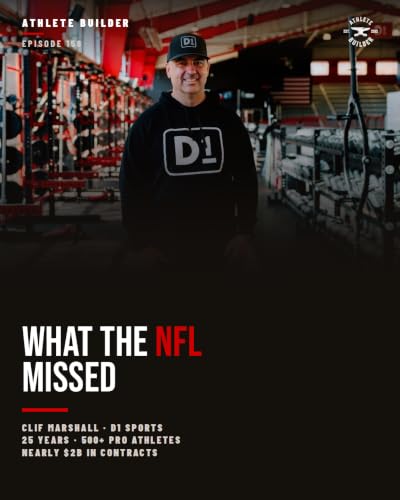
  • #158 | Clif Marshall — The Two Things He Can't Fix
    Oct 5 2026

    He was a first-team All-American who never got invited to the NFL Combine.

    Clif Marshall has spent 25 years as a performance coach — more than 500 pro
    athletes, and by his own count, nearly $2 billion in contracts. He walked on at
    Kentucky as a fullback, failed the one test that was supposed to make him a
    player, and became a coach instead. Louisville. The Bengals at 24. Ten years
    building a pro-athlete gym in Cincinnati with clients on all 32 NFL rosters.
    Eight seasons in the weight room at Indiana basketball. Today he runs pro
    athlete training at D1 Sports headquarters in Nashville — 180 facilities, 750
    coaches.

    In this one he explains how he put an actual number on grit, what a
    love-language survey did to a Big Ten basketball team, why deceleration
    training has to come before acceleration training, and the two things he tells
    every athlete he cannot fix no matter how hard they work.

    IN THIS EPISODE
    0:00 Cowboy boots at Purdue: "the strength coach wears high heels"
    5:15 Teaching iShow Speed to run a 40, next to Brady and Durant
    10:25 Luke Kuechly's 60-inch box jump — his only KPI
    13:02 The walk-on who failed his own forty, and became a coach
    15:02 Ignition: ten years, clients on all 32 NFL rosters
    18:43 D1 Sports HQ — 180 facilities, 750 coaches
    20:07 NIL, the transfer portal, and the four T's
    24:40 How he put an actual number on grit
    32:15 The broken freshman: specialization and AAU volume
    34:58 The love-language survey that changed his coaching
    43:54 Deceleration before acceleration
    48:44 "I can make you stronger, but I can't make you longer"
    52:57 Landon Robinson — the All-American the NFL never invited
    57:03 "One of us goes to the other's funeral"
    58:15 Rapid fire

    ────────────────────────────
    FREE ATHLETE ASSESSMENT
    All six blocks — mindset, knowledge, teammates, training,
    nutrition, recovery. Knowledge counts double. See the gaps.
    Track the trend.
    → athlete-builder.com/assessmenttest

    THE TWO MINUTE DRILL
    One short read every Thursday, pulled from 150+ episodes and
    what we're learning building champions.
    → athlete-builder.com/newsletter

    GYM OWNERS
    Training is one block of six. You've already mastered that one.
    Find Jim Beebe on LinkedIn, tell him the sport you coach, and
    he'll walk you through what the other five look like built
    around it.
    ────────────────────────────

    Clif Marshall — Director of Athletic Performance, D1 Sports
    Instagram: @clifmarshall (one F)

    Athlete Builder with Jim Beebe
    Win the day. Stay relentless.

    Mostra di più Mostra meno
    1 ora e 7 min
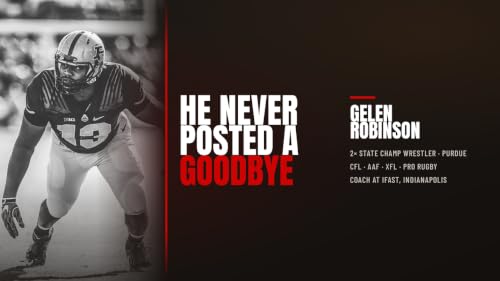
  • #157 | Four Sports, Two Continents, One Big Story. Now What? — Gelen Robinson
    Sep 28 2026

    Gelen Robinson was a two-time state champion wrestler, a state champion in discus, and a three-sport athlete at Purdue. He played pro football in the CFL, the AAF and the XFL. Then COVID ended football, so he picked up rugby — and found the sport he loved most.

    He played hooker and prop, toured Uruguay, Brazil, Chile, Paraguay and Argentina, and won a championship in LA. He was two weeks from rugby camp and an MLR contract that would have kept him close to his daughters.

    On New Year's Eve, driving home from work, a drunk driver hit him behind the driver's side door. Severe concussion. No team will sign you with a concussion, his agent told him. Be realistic.

    He'd never told that story publicly. No retirement post — he says he couldn't bring himself to write one.

    What he did instead is the episode. A text from an old Purdue teammate, an introduction to a throws coach named Marley Bird, and a new career making other people's kids great. Plus the 40 percent rule, why the mind always breaks before the body, and his half-second rule for getting off the ground.

    CHAPTERS
    0:00 Cold open
    1:28 Four sports, one Boilermaker family
    5:22 The welcome-to-the-Big-Ten moment
    6:41 First career sack, as a freshman, at Notre Dame
    8:06 Why rugby was harder than everything else
    10:04 Hooker, prop, and what a scrum actually feels like
    12:14 The mind breaks before the body
    13:32 The half-second rule for getting off the ground
    15:12 Seven cities, six countries, five years
    20:24 Big Ten venues, and the children's hospital at Iowa
    23:04 The car accident he's never talked about publicly
    28:43 Recognizing the low, and the text that changed it
    31:57 The 40 percent rule
    35:09 Coaching kids in an Amazon world
    37:14 Why a scholarship is easier than parents think
    45:56 Non-negotiables: no complaining, bring the juice
    55:04 Socrates, true strength, and what he wants athletes to see


    Free Athlete Builder Scorecard — six blocks, about ten minutes, a real assessment: athlete-builder.com/assessmenttest


    The Two Minute Drill: athlete-builder.com/newsletter


    Find Gelen: @gelen_robinson · coaching at IFAST in Indianapolis and assistant throws coach at HSE


    Thanks to Jake and Brennan Thieneman for the introduction.

    Win the Day. Stay Relentless.

    Mostra di più Mostra meno
    58 min
  • #156 How to Run a Westside Program in a Barn Gym — Steven Thompson, Voodoo Power
    Sep 21 2026

    Steven Thompson rides bareback broncos, ropes, and runs the electrical maintenance shop at a coal-fired power plant in Adrian, Missouri. In 2018 he started training in his own barn because he'd realized he was coming home from work, sitting on the couch, and letting life go by without him.

    A few kids came out to join him. He thought he had workout partners.

    Then one of them was standing at the rack on his phone, and Steven asked who he was talking to. Oregon State. That was the moment it stopped being a workout and became a program.

    This one is for coaches who actually program. Steven breaks down how he adapted Westside for high school athletes who can't squat well yet, why a 10x2 dynamic effort day is worthless for a kid who isn't moving right, what he's known for in his own town, and the training he now looks back on and shakes his head at — rolling round bales for time after a hard session, jumping on whatever would hold their weight.

    He also gets into the harder parts. What you do when a kid with real potential quits on himself. Whether the injury was your programming. How you keep your own ego out of a room full of teenagers. And why he's never once sat back and thought he'd made it — because he's already worried about who's coming next.

    CHAPTERS
    0:00 Cold open
    1:24 Westerns, horses, and Lonesome Dove
    3:24 What Voodoo Power looks like — and whether it still smells like horses
    9:19 Now what: how the barn gym actually started
    10:45 The phone call that changed everything
    13:35 When a kid quits on himself
    16:41 You can't want it more than they do
    19:25 Adapting Westside for teenagers who can't squat yet
    25:23 The pillars he's known for
    29:36 Keeping ego out of the room
    33:24 "If a little is good, a lot's better" — what he'd undo
    40:12 Trust built in the offseason, spent at the national meet
    48:50 What he steals from his own podcast guests
    56:33 Modifying for the athlete in front of you
    1:00:01 Faith, and why this was never a business
    1:12:30 When your friend's kid walks into your barn
    1:15:10 Rapid fire: Major League, The Replacements, and the Joker problem

    CTA BLOCK

    Where is your athlete actually losing ground? Free Athlete Builder Scorecard — six blocks, about ten minutes, a real assessment: athlete-builder.com/assessmenttest

    The Two Minute Drill: athlete-builder.com/newsletter

    Find Steven: @voodoo4power on Instagram. His podcast is Voodoo Power — and I'm a guest on it in the coming weeks. Be on the lookout.

    Mentioned: Matt Wenning · Shane Sweatt and Laura Phelps-Sweatt · Zach Even-Esh · Tom Dorrance, True Unity: Willing Communication Between Horse and Human

    Mostra di più Mostra meno
    1 ora e 10 min
  • #155 Playing Not to Lose — 2× Olympian Shawnee Harle on the Emotional Storm
    Sep 14 2026

    Shawnee Harle rode the bench at the number one program in the country. Then she got cut — and the coach who cut her is the one who pushed her into coaching.

    Twenty years a university head coach and two Olympic Games with Canada followed. But the moment that made her a mental toughness coach was a quarterfinal in Rio, against a team they'd already beaten twice in eighteen months, where she felt her team go from playing to win to playing not to lose. Her words: that's not a strategy shift. That's fear, and you can feel it.

    This one gets practical fast. Her toolkit in three words — chill, change, choose. The voice of fear and how to tell it to shut up. Why we only fear the things we believe we can't handle. Good anger versus bad anger. And the two-step nobody teaches: face the fear, then ask whether you'd actually survive it.

    CHAPTERS
    0:00 Cold open
    1:21 What riding the bench teaches you that starters never learn
    3:10 You are what the scoreboard says you are
    5:23 Atlanta 1996 — coaching through a bombing
    8:27 Rio 2016 — higher expectations, higher agony
    9:44 The moment it turned from playing to win to playing not to lose
    12:59 Getting cut, and the ego that almost stopped her
    16:49 You don't change behavior by addressing behavior
    19:14 We only fear what we believe we can't handle
    21:25 Bill Buckner and speaking it into existence
    23:11 The voice of fear steals the microphone
    25:45 Chill. Change. Choose.
    30:14 Good anger and bad anger
    35:18 The yips, the F words, and what sport teaches you to fake
    43:16 The 14-year-old, the parents, and how they measure success
    46:22 The limiting factor is always fear
    50:27 "Shawnee taught me how to save myself"

    Free Athlete Builder Scorecard — about ten minutes, six blocks, a real assessment: athlete-builder.com/assessmenttest
    The Two Minute Drill: athlete-builder.com/newsletter
    Find Shawnee: @shawneeharle · shawneeharle.com

    Win the Day. Stay Relentless.

    Mostra di più Mostra meno
    56 min