Episodi

  • #46 Finding a Way Forward: Trust, Support and the Complexity of Forgiveness (Part 2)
    Oct 13 2026
    Episode Summary: In Part 1, Rachel Vince shared how childhood sexual abuse impacted her identity, relationships and faith in ways she didn't fully understand for many years. In this second part of our conversation, we explore what happened when Rachel began facing that hidden pain and what helped her find a way forward.Rachel talks openly about the importance of finding people who listened, believed her and stayed alongside her, even when things were messy. She reflects on the role of professional support, the challenges she and her husband Matt faced as they navigated the impacts of trauma on their marriage, and what it meant to learn self-compassion while also taking responsibility for the ways her pain had affected others.We also explore the difficult subject of forgiveness, including why it doesn't mean forgetting, excusing what happened or having to restore a relationship with the person who caused the harm.It's an honest conversation about the difficult process of facing what's happened, the people who help us along the way, and the hope that our past doesn't have to define our future.In this episode, you'll discover:Why feeling heard, believed and accepted matters when someone begins opening up about traumaThe importance of finding professional support from people who understand the impacts of abuseHow self-compassion and taking responsibility for hurtful behaviour can go hand in handWhat Rachel and her husband Matt learned about navigating trauma within their marriageWhy forgiveness doesn't mean forgetting, excusing harm or having to restore a relationship with the person who caused itHow acknowledging and grieving what was lost became an important part of Rachel's journeyWhy facing the past doesn't erase what happened, but can open the door to greater freedom and hope... and much more!Content note: This episode discusses childhood sexual abuse and its long-term effects. It does not contain graphic descriptions, but some listeners may find the subject difficult.If this conversation raises something for you: If you’ve experienced sexual abuse, or this conversation brings up something you’re struggling with, you don’t have to work through it alone. Consider reaching out to someone safe, such as your GP, a counsellor experienced in trauma and sexual abuse, or one of the specialist support services below.In Australia: 1800RESPECT provides free, confidential support 24/7 for people affected by sexual violence. Call 1800 737 732, text 0458 737 732, or access online support through 1800RESPECT.Blue Knot Helpline provides specialist support for adults affected by childhood trauma and abuse. Call 1300 657 380, 9am-5pm AEST/AEDT, 7 days a week.Overseas: Click ⁠here⁠ Explore More from Resilient Souls: Resilient Souls ⁠⁠⁠⁠Website⁠⁠⁠⁠Resilient Souls ⁠⁠⁠⁠Podcast⁠⁠⁠⁠ or search ‘Resilient Souls’ wherever you get your podcastsResilient Souls ⁠⁠⁠⁠Blog on Substack⁠⁠ ⁠⁠Stewart’s ⁠⁠Book⁠⁠⁠⁠Follow Resilient Souls on: ⁠⁠⁠⁠Facebook⁠⁠⁠⁠ / ⁠⁠⁠⁠Instagram /⁠⁠⁠⁠ ⁠⁠⁠⁠LinkedIn⁠⁠⁠⁠Get Involved or Reach Out: ⁠⁠⁠⁠⁠⁠⁠⁠⁠Join the Community⁠⁠⁠⁠⁠⁠⁠⁠Book Stewart to Speak⁠⁠⁠⁠⁠Support the Work⁠⁠⁠⁠⁠Contact Us⁠⁠⁠⁠Need Help? In ⁠⁠Australia⁠⁠⁠⁠ or for ⁠⁠⁠⁠Overseas⁠⁠
    Mostra di più Mostra meno
    30 min
  • #45 The Hidden Impact of Childhood Trauma: Rachel’s Story (Part 1)
    Sep 16 2026
    Content note: This episode discusses childhood sexual abuse and its long-term effects. It does not contain graphic descriptions, but some listeners may find the subject difficult.Episode Summary: Rachel Vince grew up surrounded by a loving family, a strong church community and people who cared deeply about her. To those around her, she was bright, capable and happy.But beneath all of this was something no one around her could see. As a young child, Rachel had experienced sexual abuse by someone outside her family, but she didn’t yet have the words or understanding to make sense of what had happened.The joy and love in Rachel’s childhood and young adult life were real. But as she grew older, she began to understand that some of the things she had simply seen as part of who she was, including her drive to be the “good girl”, her perfectionism, anxiety and need for control, also made more sense in light of what she had experienced.In this deeply personal conversation, Rachel reflects on what it was like to begin opening the “box” she’d kept closed for so long, and to recognise some of the ways those hidden experiences had affected her marriage, parenting, relationships and faith.This is Part 1 of a conversation about the hidden and long lasting impact childhood trauma can have. But at its heart, it’s also about understanding: how making sense of what we carry can bring compassion, help us feel less alone, and offer hope for what may lie ahead.In this episode, you’ll discover:How childhood trauma can remain hidden, even within a loving and supportive familyHow, in Rachel’s story, shame, anxiety, perfectionism and a need for control became ways of coping with something she didn’t yet understandWhy fragmented memories led Rachel to question her own experienceHow Rachel began to recognise the ripple effects of hidden trauma in her marriage, parenting and relationships How Rachel wrestled with where God was in her pain, and came to see his heart breaking with hers Why understanding the impacts of trauma helped Rachel reinterpret things she had once seen as evidence that she was “crazy”, broken or failingRachel’s encouragement to anyone who senses that something they’ve buried may still be affecting their life… and much more.If this conversation raises something for you: If you’ve experienced sexual abuse, or this conversation brings up something you’re struggling with, you don’t have to work through it alone. Consider reaching out to someone safe, such as your GP, a counsellor experienced in trauma and sexual abuse, or one of the specialist support services below.In Australia: 1800RESPECT provides free, confidential support 24/7 for people affected by sexual violence. Call 1800 737 732, text 0458 737 732, or access online support through 1800RESPECT.Blue Knot Helpline provides specialist support for adults affected by childhood trauma and abuse. Call 1300 657 380, 9am-5pm AEST/AEDT, 7 days a week.Overseas: Click here Explore More from Resilient Souls: Resilient Souls ⁠⁠⁠Website⁠⁠⁠Resilient Souls ⁠⁠⁠Podcast⁠⁠⁠ or search ‘Resilient Souls’ wherever you get your podcastsResilient Souls ⁠⁠⁠Blog on Substack⁠⁠ ⁠Stewart’s ⁠Book⁠⁠⁠Follow Resilient Souls on: ⁠⁠⁠Facebook⁠⁠⁠ / ⁠⁠⁠Instagram /⁠⁠⁠ ⁠⁠⁠LinkedIn⁠⁠⁠Get Involved or Reach Out: ⁠⁠⁠⁠⁠⁠Join the Community⁠⁠⁠⁠⁠⁠Book Stewart to Speak⁠⁠⁠Support the Work⁠⁠⁠Contact Us⁠⁠⁠Need Help? In ⁠Australia⁠⁠⁠ or for ⁠⁠⁠Overseas⁠⁠
    Mostra di più Mostra meno
    34 min
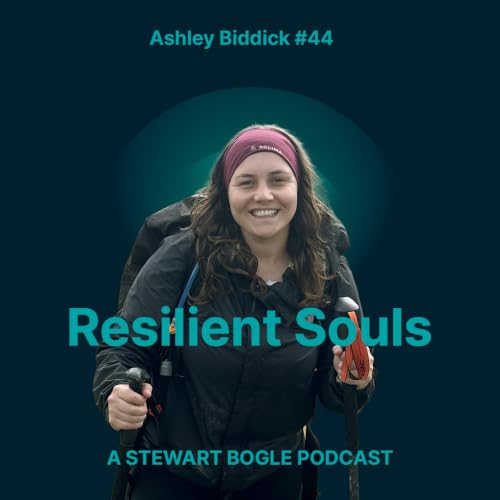
  • #44 There Is No ‘Back to Normal’: Ashley Biddick on Rebuilding and the Long Road Forward
    Aug 12 2026

    Three years after her husband Jake died, Ashley Biddick returns to Resilient Souls as a regular contributor, drawing on both her own experience of loss and insights from her professional work as she explores what rebuilding can look like when life has changed.

    The focus is on what life looks like beyond the first raw days and weeks, into the months and years that follow when life still hasn’t gone 'back to normal'. Ashley explores the ongoing physical effects of trauma, changed capacity and identity, and some of the secondary losses that can follow a life-changing loss.

    She talks about grief and joy coexisting, noticing small “glimmers” of hope, finding people who “speak the language of loss”, and sometimes taking the next step before you feel ready: doing it heartbroken, doing it lonely, doing it scared.

    Ashley and Stewart also return to the question of faith and the wrestle with God when suffering doesn’t make sense. There are no neat answers, just a grounded conversation about living with what cannot be changed while making room for what might still be possible. In this episode, you’ll discover:

    1. Why there may be no simple “back to normal” after life changing loss, and what rebuilding can look like instead
    2. How grief and trauma can continue to affect your body, energy and capacity long after the initial crisis
    3. Why major loss can impact your sense of identity, and how to begin making peace with the person you are becoming
    4. How grief and joy can coexist, and why small “glimmers” of beauty and hope can matter
    5. What it can mean to “do it heartbroken, do it lonely, do it scared” without simply telling yourself to toughen up
    6. How friends, community and faith can help when there are no easy answers and the road forward still feels uncertain

    … and much more.

    Explore More from Resilient Souls:

    Resilient Souls ⁠⁠⁠Website⁠⁠⁠

    Resilient Souls ⁠⁠⁠Podcast⁠⁠⁠ or search ‘Resilient Souls’ wherever you get your podcasts

    Resilient Souls ⁠⁠⁠Blog on Substack⁠⁠

    Stewart’s ⁠Book⁠⁠⁠

    Follow Resilient Souls on:

    ⁠⁠Facebook⁠⁠⁠ / ⁠⁠⁠Instagram /⁠⁠⁠ ⁠⁠⁠LinkedIn⁠⁠⁠

    Get Involved or Reach Out: ⁠⁠⁠⁠⁠

    ⁠Join the Community⁠⁠⁠

    ⁠⁠⁠Book Stewart to Speak⁠⁠⁠

    Support the Work⁠⁠⁠

    ⁠⁠⁠Contact Us⁠⁠⁠

    Need Help?

    In ⁠Australia⁠⁠⁠ or for ⁠⁠⁠Overseas⁠⁠

    Mostra di più Mostra meno
    44 min
  • #43 Don’t Give Up: Avriel Barnett on Choosing a Hard Road and Finding the Strength to Keep Going
    Jul 1 2026
    When Avriel Barnett met a handsome young man as an 18-year-old trainee nurse in 1968, his life had already been changed forever.As a teenager, Glenn had suffered a high-level spinal injury that left him with permanent paralysis. What began as an unexpected love story became a long but rich journey of marriage, ministry, caregiving, disappointment, faith, quiet sacrifice and resilience.But this is not just Glenn’s story.It’s Avriel’s too.In this honest and quietly powerful conversation, Avriel reflects on the choice to walk a road she knew would not be easy, even if she could not have understood at the time just how much it would ask of her.She talks honestly about marrying Glenn, supporting him through decades of ministry and the daily realities of his physical challenges, facing the painful rejection of their hopes to adopt, carrying responsibilities most people never saw, and wrestling with God when life felt unfair.She also shares the moments of grace that sustained her. The faith that grew in the middle of hardship. The strength she found when God didn’t remove the difficulty, but changed something in her. The friendships, carers and community who walked with them, created memories, and brought unexpected joy along the way. And the new freedom and purpose she continues to find in serving, sharing her faith, volunteering, travelling and expressing more of her own gifts in this next chapter of life.This is a conversation about resilience that doesn’t look polished or dramatic. Because sometimes resilience looks like taking the rubbish bin out all on your own, again and again.Sometimes it looks like pulling weeds from gardens you’ve planted.Sometimes it looks like accepting help after years of trying to carry too much on your own.And sometimes it looks like choosing to keep trusting God, even when the road remains long and hard.For anyone who feels forgotten by God, disappointed by life, unsure how to keep going, or simply wants to be inspired by an unassuming life that has been faithfully and beautifully lived, Avriel’s story is honest, humble and deeply powerful.She shares her story not to draw attention to her own life, but to encourage you in yours.And that encouragement can be summed up in the simple words she offers near the end of the conversation: Don’t give up.In this episode, you’ll discover:How to keep going when the life you’re living is not the life you imaginedWhy resilience often begins with a change in attitude, not just a change in circumstancesHow faith can grow in the middle of hardship, even when prayers are not answered the way we hopedWhy carrying everything alone can feel necessary, but accepting help can become a giftHow small rhythms, honest prayer, trusted community and purposeful service can help sustain us through long seasonsWhat it can look like to keep choosing joy, trust and faithfulness when the road remains hard… and much more.Explore More from Resilient Souls: Resilient Souls ⁠⁠⁠Website⁠⁠⁠Resilient Souls ⁠⁠⁠Podcast⁠⁠⁠ or search ‘Resilient Souls’ wherever you get your podcastsResilient Souls ⁠⁠⁠Blog on Substack⁠⁠ ⁠Stewart’s ⁠Book⁠⁠⁠Follow Resilient Souls on: ⁠⁠⁠Facebook⁠⁠⁠ / ⁠⁠⁠Instagram /⁠⁠⁠ ⁠⁠⁠LinkedIn⁠⁠⁠Get Involved or Reach Out: ⁠⁠⁠⁠⁠ ⁠Join the Community⁠⁠⁠⁠⁠⁠Book Stewart to Speak⁠⁠⁠⁠⁠⁠Support the Work⁠⁠⁠⁠⁠⁠Contact Us⁠⁠⁠Need Help? In ⁠Australia⁠⁠⁠ or for ⁠⁠⁠Overseas⁠⁠
    Mostra di più Mostra meno
    47 min
  • #42 A Safe Place For Your Thoughts
    Jun 3 2026
    This episode is a little different from the usual Resilient Souls format.Over the years, I've discovered that journalling has been one of the most helpful practices in my own life, especially during seasons when my mind felt crowded with questions, worries, grief, uncertainty, or simply the pressure of everyday life.What I've found is that getting those thoughts out of my head and onto paper often helps me make sense of what's happening internally. It gives those thoughts somewhere safe to go.That made me curious.Was this just something that worked for me, or had other people found journalling helpful too? So I invited four friends with very different personalities, life experiences, and approaches to journalling to join me for an honest conversation.None of us are experts. We're simply people who have discovered that reflection, writing, drawing, prayer, or putting thoughts on paper can sometimes help us process life a little more clearly.What emerged was a refreshing reminder that there is no single "right way" to journal. For some, it's a daily discipline. For others, it's something they turn to only in difficult seasons. Some write pages. Some write a sentence. Some draw pictures. Some pray. But underneath all those differences was a common theme: Finding a safe place for your thoughts can be incrediblyhelpful.Whether you're navigating a difficult season, wrestling with questions, processing emotions, or simply looking for a little more space to reflect, I hope this conversation gives you someIn this episode, you’ll discover:Why journalling is about reflection and processing, not just writingHow different personalities approach journalling in completely different waysThe surprising role journalling can play during grief, stress, uncertainty, and difficult seasonsWhy getting thoughts out of your head and onto paper can reduce their powerHow gratitude, reflection, drawing, prayer, and simple note taking can all be forms of journalling Why there is no "right way" to journal and how to find a style that suits youPractical ideas for getting started without pressure or perfectionHow journalling can help you better understand yourself, your life...and much more!Guest on Today's Podcast:Lynne Kooij, Hannah Kallady, Nate Vawser, Graham HumphrisLinks mentioned in the episode:Pray as You GoLectio 365The Artist’s WayYookl Journals Stewart’s blog on how he found journalling a useful practice The broader Collective Wisdom Resource on SubstackExplore More from Resilient Souls: Resilient Souls ⁠⁠⁠Website⁠⁠⁠Resilient Souls ⁠⁠⁠Podcast⁠⁠⁠ or search ‘Resilient Souls’ wherever you get your podcastsResilient Souls ⁠⁠⁠on Substack⁠⁠ Stewart’s ⁠Book⁠⁠⁠Follow Resilient Souls on: ⁠⁠⁠Facebook⁠⁠⁠ / ⁠⁠⁠Instagram /⁠⁠⁠ ⁠⁠⁠LinkedIn⁠⁠⁠Get Involved or Reach Out: ⁠⁠⁠⁠⁠⁠Join the Community⁠⁠⁠⁠⁠⁠Book Stewart to Speak⁠⁠⁠⁠⁠⁠Support the Work⁠⁠⁠⁠⁠⁠Contact Us⁠⁠⁠Need Help? In ⁠Australia⁠⁠⁠ or for ⁠⁠⁠Overseas⁠⁠
    Mostra di più Mostra meno
    50 min
  • #41 What Actually Helps in Crisis (Part 2): Erik Ellefsen on Showing Up, Supporting Others, and Leading Well
    May 6 2026

    In Part 1, Erik Ellefsen shared the deeply personal reality of living with long-term illness. In this second part, we turn outward.

    What does it actually look like to support someone incrisis? Not in theory - but in real life.

    Drawing from his 17-year journey with serious illness, Erik reflects on the people who showed up, the ones who didn’t, and the lessons that have stayed with him over time.

    We explore the tension many people feel, wanting to help, but not knowing how.

    We talk about the overlooked role of the caregiver, the importance of simple presence, and why small, thoughtful actions often matter more than big gestures.

    This conversation also has important implications for leaders, particularly in schools, churches, and communities.

    Why are we often unprepared when crisis hits?

    What does meaningful leadership look like in those moments

    And how can we create environments where people feel seen, supported, and not alone?

    There’s no perfect script. But there are better ways to show up and this episode will help you think differently about what that looks like.

    In this episode, you’ll discover:

    1. What support really looks like in the early stages of crisis and how it changes over time
    2. Why people often step back, even when they care deeply
    3. The tension between “just tell me what you need” and not having the energy to respond
    4. Why caring for the caregiver is often just as important as caring for the person who is unwell
    5. How simple presence can matter more than having the right words or answers
    6. What leaders in schools, churches, and communities can do to better prepare for crisis
    7. How looking outward and serving others can bring life, even in the middle of your own struggle

    About our Guest:

    Erik Ellefsen is an educator, leadership consultant, and trusted voice in Christian education across the United States

    Currently serving as Director of Networks and Improvement at Baylor University

    Host of the ⁠Digical Education⁠ podcast

    Explore More from Resilient Souls:

    Resilient Souls ⁠⁠⁠⁠Website⁠⁠⁠⁠

    Resilient Souls ⁠⁠⁠⁠Podcast⁠⁠⁠⁠ or search ‘Resilient Souls’ wherever you get your podcasts

    Resilient Souls ⁠⁠⁠⁠Blog on Substack⁠⁠ ⁠⁠

    Stewart’s ⁠⁠Book⁠⁠⁠⁠

    Follow Resilient Souls on:

    ⁠⁠⁠⁠Facebook⁠⁠⁠⁠ / ⁠⁠⁠⁠Instagram /⁠⁠⁠⁠ ⁠⁠⁠⁠LinkedIn⁠⁠⁠⁠

    Get Involved or Reach Out: ⁠⁠⁠⁠⁠⁠⁠

    ⁠⁠Join the Community⁠⁠⁠⁠

    ⁠⁠⁠⁠Book Stewart to Speak⁠⁠⁠⁠

    ⁠⁠⁠⁠Support the Work⁠⁠⁠⁠

    ⁠⁠⁠⁠Contact Us⁠⁠⁠⁠

    Need Help?

    In ⁠⁠Australia⁠⁠⁠⁠ or for ⁠⁠⁠⁠Overseas⁠⁠

    Mostra di più Mostra meno
    42 min
  • #40 When Life Doesn’t Go to Plan (Part 1): Erik Ellefsen on Faith, Identity and Long-Term Illness
    Apr 1 2026
    When Erik Ellefsen was diagnosed with a rare form of cancer at just 33, he was told he may only have a couple of years to live. Seventeen years later, he’s still here.But this isn’t a story about everything working out neatly. It’s a story about learning to live in the tension between hope and uncertainty… between deep pain and unexpected purpose.In this first part of our two-part conversation, Erik takes us back to the moment everything changed. The diagnosis, what followed, and the long journey of treatment that has impacted every part of his life.We talk about what it’s like to live with ongoing illness that others can’t always see. The impact it’s had on his identity, his energy, his marriage, and the future they once imagined.More than that, we explore how Erik has wrestled with faith in the middle of it all. Not in a polished or formulaic way, but in a deeply honest and lived way.This is a conversation about resilience, faith, and learning to reimagine life when it doesn’t go the way you thought it would.In Part 2, we shift the focus outward. We explore what truly helps when someone is walking through crisis, and how we can better support them. But before we head there, this is a very personal story worth sitting with.In this episode, you’ll discover:What it’s really like to receive a life-altering diagnosis and the shock that followsHow long-term illness impacts identity, energy, and everyday lifeThe hidden tension of 'looking fine' on the outside while struggling internallyThe grief of lost expectations, including career, family, and future plansHow Erik has navigated anger, disappointment, and uncertainty over timeA deeply honest perspective on faith, suffering, and the goodness of GodWhat it means to reimagine life when your original plans are no longer possible..... and much moreAbout our Guest:Erik Ellefsen is an educator, leadership consultant, and trusted voice in Christian education across the United StatesCurrently serving as Director of Networks and Improvement at Baylor UniversityHost of the Digical Education podcast Explore More from Resilient Souls: Resilient Souls ⁠⁠⁠Website⁠⁠⁠Resilient Souls ⁠⁠⁠Podcast⁠⁠⁠ or search ‘Resilient Souls’ wherever you get your podcastsResilient Souls ⁠⁠⁠Blog on Substack⁠⁠ ⁠Stewart’s ⁠Book⁠⁠⁠Follow Resilient Souls on: ⁠⁠⁠Facebook⁠⁠⁠ / ⁠⁠⁠Instagram /⁠⁠⁠ ⁠⁠⁠LinkedIn⁠⁠⁠Get Involved or Reach Out: ⁠⁠⁠⁠⁠⁠Join the Community⁠⁠⁠⁠⁠⁠Book Stewart to Speak⁠⁠⁠⁠⁠⁠Support the Work⁠⁠⁠⁠⁠⁠Contact Us⁠⁠⁠Need Help? In ⁠Australia⁠⁠⁠ or for ⁠⁠⁠Overseas⁠⁠
    Mostra di più Mostra meno
    35 min
  • About the ‘Collective Wisdom’ series
    Mar 27 2026

    This episode is a little different from our usual conversations.

    It marks the beginning of a parallel series within the Resilient Souls podcast. In this series, we step back from individual stories to reflect on the shared wisdom that has been emerging through them.

    Through the podcast, I’ve had the opportunity to sit with many people who have walked through grief, trauma, illness, loss, and other deeply challenging seasons of life.

    Over time, something important became clear.

    People were offering honest reflections and practical insights shaped in the middle of their storms. Not neat answers. Not theories. Real wisdom formed through lived experience.

    In this short episode, I share the heart behind the new Collective Wisdom series.

    This work is about gathering principles from real people who have faced difficult seasons and turning those insights into practical starting points that may help others keep moving forward.

    It’s not about scripts or perfect responses.

    It’s about learning from one another and finding ways to make the journey you are on just that little bit more manageable.

    These reflections have grown from conversations across families, schools, churches, workplaces, and communities. They continue to shape how this series may support people in very real situations.

    In this brief episode, you’ll discover

    1. What the Collective Wisdom series is and why it has begun
    2. How lived experience can become practical guidance for others
    3. Why many people feel unprepared when life suddenly becomes difficult
    4. How shared insight can help individuals, families, and communities respond with greater understanding
    5. Who these resources are designed to support
    6. Why this is a series that will continue to grow over time

    Explore the Collective Wisdom Series

    If this introduction connects with you, you can explore more written reflections and resources through the Resilient Souls Substack

    You may also find it helpful to listen to individual podcast conversations where much of this wisdom first emerged.

    Visit: resilientsouls.com.au

    Or search ‘Resilient Souls’ wherever you listen to podcasts

    Mostra di più Mostra meno
    6 min