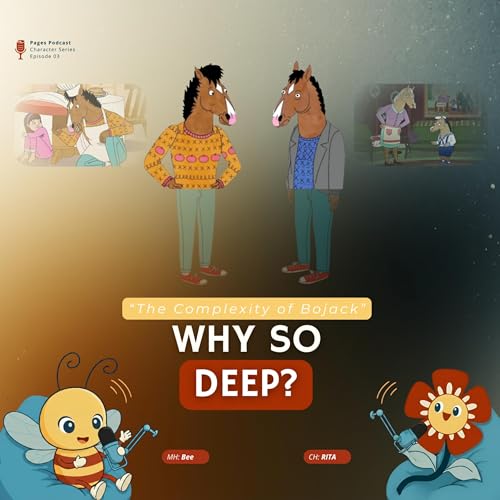
This first episode explores the origins of BoJack Horseman and the power of character-driven storytelling. Below is detailed shownote
INTRO
We open with the story of how BoJack Horseman began: a simple email between Raphael Bob-Waksberg and Lisa Hanawalt, high school friends whose creative partnership would lead to one of the most acclaimed adult animated shows on Netflix. This intro explains why BoJack Horseman is the perfect case study for this series, with focus on the centrality of character in storytelling and how friendships and dreams can shape creative projects.
ICEBREAKER HOOK
The hosts reflect on the rarity and significance ofmaintaining childhood friendships into adulthood, using Raphael and Lisa’s relationship as a springboard. Listeners hear a range of perspectives from friends around the world, sharing how early bonds can influence life paths, careers, and personal growth. The segment is both relatable and thought-provoking, inviting the audience to consider their own lastingconnections.
PART A – High School Friendship & Childhood Dreams
Betty and Rita discuss the realities of keeping in touchwith high school friends, the impact of distance (both physical and emotional), and the difference between friendships of proximity and those built on shared dreams. The backstory of Raphael and Lisa’s friendship at Gunn High School in Palo Alto is explored, highlighting how their mutual passion for theater and art laid the groundwork for future collaboration. The segment underscores the importance of compatibility, shared interests, and perseverance in sustaining meaningful relationships.
PART B – Storytelling and Childhood Dreams
This chapter follows Raphael and Lisa as they pursue their respective dreams after high school, navigating the challenges of early careers in the arts. Their continued collaboration, even across cities, is a testament to dedication and adaptability. The hosts discuss the realities of creative careers, the role of luck (or grace), and the importance of consistency and risk-taking. The story of how BoJack Horseman was conceived—born from a period of uncertainty and a desire to work together again—serves as inspiration foraspiring creators.
PART C – Where Do Story Ideas Come From?
The hosts break down the sources of story inspiration,distinguishing between external (environment, observation) and internal (personal experience, imagination) origins. They debate the merits of plot-driven versus character-driven storytelling, ultimately advocating for a balanced approach tailored to the story’s message. The creative process behindBoJack Horseman is examined, showing how Lisa’s lifelong love of anthropomorphized animals and Raphael’s personal experiences combined to shape the show’s unique tone and characters.
PART D – The Genesis of Characters and Why It Matters
This section delves into the philosophical and practicalimportance of well-crafted characters. The hosts use examples from anime and literature to illustrate how poorly written characters can undermine a story, while memorable ones leave a lasting impact. The etymology of “character” is explored, connecting the concept to soul, individuality, and emotional resonance. The discussion emphasizes that great storytelling manipulates empathy, making audiences care deeply about the fates of fictional beings.
PART E – Conclusion
The episode wraps up by reflecting on BoJack Horseman’s cultural impact and the enduring relevance of character-driven narratives. The hosts preview future episodes, which will further dissect character design and archetypes, and encourage listeners to follow the podcast for more insights. The conclusion reinforces the idea that characters are not just vehicles for plot, but can themselves be the heart of a story...


 1 ora e 2 min
 1 ora e 3 min