Episodi

  • Tuesday 24 February Independence Day in Estonia
    Feb 24 2026

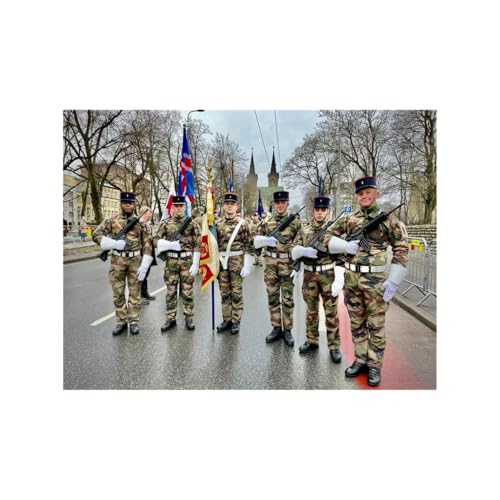
    This article explores the historical significance and modern celebration of Estonian Independence Day, observed annually on February 24th. It chronicles the nation’s journey from its 1918 declaration of sovereigntyto its eventual re-establishment of freedom in 1991 following decades of Soviet occupation. The text highlights how Estonians utilize patriotic rituals, such as flag-hoisting ceremonies, military parades, and the "Singing Revolution," to honor their cultural resilience. Beyond official state events, the source details how citizens engage in local traditions, including sharing a classic sprat sandwich known as kiluvõileib. By focusing on both the capital of Tallinn and the wider countryside, the narrative illustrates a deep national pride rooted in over a century of statehood. This summary provides a comprehensive look at how a Northern Baltic statecommemorates its hard-won liberty through community and memory.

    Mostra di più Mostra meno
    6 min
  • Monday 23 February Defence of the Fatherland Day in Russia
    Feb 23 2026

    This article outlines the historical evolution and modern observance of Defender of the Fatherland Day in Russia. Originally established in 1922 to commemorate the birth of the Red Army, the holiday has undergone several name changes reflecting the nation's shifting political landscape. The text tracks its journey from a Soviet military celebration to its current status as a public holiday honoring national protectors. Today, the occasion is marked by official ceremonies at the Tomb of the Unknown Soldier and spectacular firework displays in major cities. Ultimately, the source provides a chronological overview of how a 1918 emergency draft transformed into a significant cultural tradition.

    Mostra di più Mostra meno
    5 min
  • Sunday 22 February Day of Fraternity and Cohesion in Algeria
    Feb 22 2026

    This news article discusses the establishment of February 22 as a significant national holiday in Algeria, officially known as the Day of Fraternity and Cohesion. The date commemorates the anniversary of the Hirak movement, a peaceful uprising that began in 2019 to protest the long-standing rule of former leader Abdelaziz Bouteflika. Following massive public demonstrations, the president was forced to resign after decades in power. Current President Abdelmadjid Tebboune designated this day to honor the "smile revolution" and its role in the country's political transformation. The source highlights how the movement successfully challenged the status quo and led to a new era of governance for the nation. This commemorative event serves as a formal recognition of the public's will and their commitment to constitutional reform.

    Mostra di più Mostra meno
    5 min
  • Saturday 21 February Language Martyrs’ Day in Bangladesh
    Feb 21 2026

    The provided text details the historical significance of Language Martyrs’ Day, a major public holiday in Bangladesh that honors those who fought for linguistic recognition. After the partition of India, the government of Pakistan attempted to establish Urdu as the sole official language, triggering widespread resistance in the Bengali-speaking eastern region. This tension culminated on February 21, 1952, when police killed several students during a protest at the University of Dhaka. These sacrifices eventually forced the government to grant Bengali official status, serving as a pivotal milestone toward the eventual independence of Bangladesh. Today, the date remains a somber and proud reminder of the cultural struggle for linguistic identity and rights.

    Mostra di più Mostra meno
    5 min
  • Friday 20 February Malaysian Declaration of Independence Day in Melaka
    Feb 20 2026

    This article chronicles the historical significance of the Malaysian Declaration of Independence Dayspecifically within the region of Melaka. It details how Tunku Abdul Rahman led a successful negotiation in London during early 1956 to secure the end of British colonial rule. Upon his return, he chose Padang Banda Hilir as the symbolic site to officially proclaim that Malaya would become a sovereign nation on August 31, 1957. The text highlights the jubilant public reception and the motorcade that greeted the leaders as they arrived to share this monumental news. Ultimately, the source serves as a commemorative look at the diplomatic milestones and the emotional celebrations that paved the way for the country's freedom.

    Mostra di più Mostra meno
    5 min
  • Thursday 19 February Losar in Bhutan
    Feb 19 2026

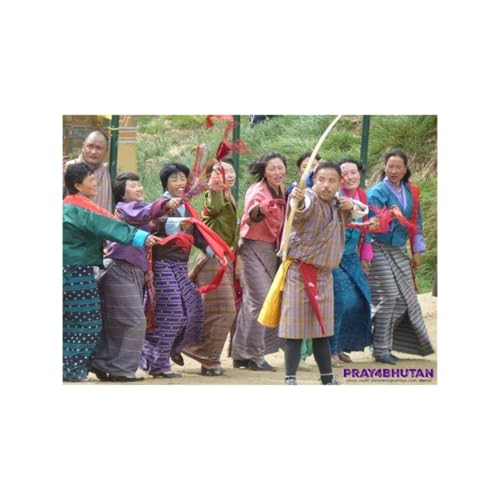
    This article explores the cultural and historical significance of Losar, the traditional Tibetan New Year celebrated in Bhutan. Originally rooted in ancient Bon religious winter solstice rituals, the festival was later integrated into the Buddhist lunar calendar. The text details specific customs, such as performing spiritual ceremonies to banish negativity and preparing symbolic noodle dishes containing ingredients that predict a person's character or fortune. These festivities, which emphasize agricultural prosperity and family offerings, span a fifteen-day period marked by significant communal and religious observations. Overall, the source provides a vibrant look at how modern celebrations preserve centuries of heritage through food, faith, and folklore.

    Mostra di più Mostra meno
    4 min
  • Wednesday 18 February Independence Day in Gambia
    Feb 18 2026

    The provided text highlights the historical journey of The Gambia toward its sovereignty, focusing specifically on its Independence Day celebrated on February 18th. It explains how the nation transitioned from a British protectorate to an independent constitutional monarchy in 1965 under the leadership of David Jawara. The source also notes the country's unique geographical status as the smallest mainland African nation and clarifies the specific linguistic reasoning behind the inclusion of "The" in its official name. In addition to these historical facts, the document includes snippets of global news from early 2026, ranging from military technology developments to international political announcements. Ultimately, the text serves as a commemorative overview of Gambian heritage interspersed with a broader current events digest.

    Mostra di più Mostra meno
    4 min
  • Tuesday 17 February Chinese New Year around the world
    Feb 17 2026

    This article from the Occasional Digest examines the cultural significance and traditional customs associated with the Chinese New Year, often referred to as the Spring Festival. Although the holiday occurs during the winter months, it aligns with the ancient solar calendar's definition of spring’s arrival. The author describes an extensive preparation process that involves purchasing gifts and performing a thorough cleaning of the home to eliminate misfortune. Throughout the festivities, the color red is featured prominently on dwellings to invite positive energy for the coming year. Beyond the cultural focus, the source also highlights current global eventsfrom early 2026, including political negotiations and sports updates. Ultimately, the text serves as a brief guide to the ritualistic transition into the lunar new year.

    Mostra di più Mostra meno
    5 min