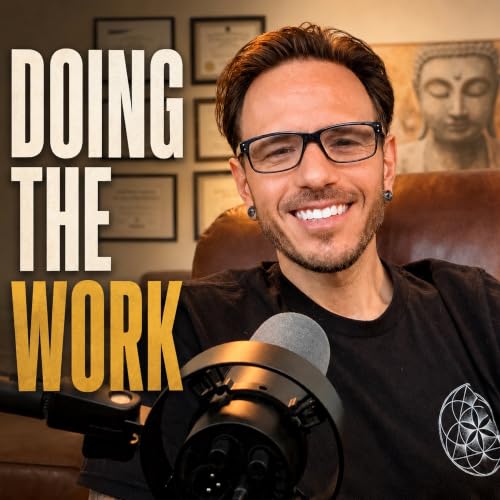
• Your Nervous System Isn’t an Excuse to Act Like an Asshole
    Oct 18 2026

    Nervous system dysregulation can explain why conflict feels overwhelming, why your body goes into fight-or-flight, and why old relationship patterns can take over fast. In this episode, I look at the reactive inner child—my term for what Terry Real calls the adaptive child—and the ways earlier survival strategies can show up as defensiveness, control, retaliation, withdrawal, overexplaining, and the need to be right. We also get into how to recognize activation before your range of choice disappears, use practical emotional regulation skills, and take a structured timeout without turning distance into punishment.

    This episode also looks at the difference between understanding your nervous system and using it to excuse harmful behavior. Therapy language, recovery language, boundaries, and years of insight mean very little if the people closest to you still experience contempt, hostility, manipulation, or emotional volatility. Emotional regulation means learning how to tolerate disagreement, disappointment, uncertainty, and another person’s “no” while still behaving with basic respect. Your nervous system gets a vote. It does not get the final say.

    Check out the website for articles published weekly: https://www.psychologytoday.com/us/therapists/brian-granneman-naples-fl/1153470

    I also offer accountability, coaching, and sober companion services. Send an email: brian@naplesintegratedrecovery.com

    Mostra di più Mostra meno
    27 min
  • Offending from the Victim Position: Why Feeling Wronged Can Make You Act Worse
    Oct 15 2026

    This episode looks at what happens when hurt becomes a relational stance—when a legitimate frustration starts giving us permission to lecture, control, withdraw, retaliate, or keep pushing long after the original problem has been addressed. Drawing from Terry Real and Pia Mellody, I explore offending from the victim position, resentment, dysfunctional relational stances, and the ways childhood experiences can shape how we handle conflict, power, closeness, and frustration in adult relationships.

    We also get into relational trauma, the Trauma Grid, false empowerment, grandiosity, boundaries, and the family patterns we absorb even when we spend years telling ourselves we will never become like the people who raised us. The goal is to recognize the sequence: what happened, what meaning you gave it, what your reaction then felt entitled to do, and what the person on the receiving end actually experienced. Understanding where a pattern came from matters. Taking responsibility for what you do with it now is where the work begins.

    Check out the website for articles published weekly: https://www.psychologytoday.com/us/therapists/brian-granneman-naples-fl/1153470

    I also offer accountability, coaching, and sober companion services. Send an email: brian@naplesintegratedrecovery.com

    Mostra di più Mostra meno
    44 min
  • The Dragon in Your House: How Families Learn to Tiptoe Around Addiction
    Oct 11 2026

    This episode uses bibliotherapy and the children’s story There’s No Such Thing as a Dragon to explore how addiction can gradually reshape an entire family system. Addiction may involve alcohol, drugs, misuse of prescription medication, gambling, pornography or compulsive sexual behavior, workaholism, or other compulsive patterns that become increasingly difficult to control and continue despite meaningful consequences.

    Through the story of a small dragon that grows while a family refuses to acknowledge it, this episode examines denial, secrecy, accommodation, damaged trust, changing family roles, hypervigilance, and the ways people gradually reorganize their lives around addiction. It also explores why stopping the addictive behavior is only the beginning of recovery. Families may still need to rebuild trust, change long-standing roles, address control and avoidance, and learn how to function after years of adapting to the addiction.

    Check out the website for articles published weekly: www.naplesintegratedrecovery.com

    Want to work together? I see psychotherapy clients in Florida: https://www.psychologytoday.com/us/therapists/brian-granneman-naples-fl/1153470

    I also offer accountability, coaching, and sober companion services. Send an email: brian@naplesintegratedrecovery.com

    Mostra di più Mostra meno
    23 min
  • What Porn Is Doing to Your Sex Drive and Relationship
    Oct 8 2026

    Porn addiction and compulsive porn use can affect sexual desire, relationships, intimacy, and emotional regulation. This episode looks at how pornography can shift from occasional use into something tied to stress relief, masturbation, secrecy, control, and increasingly specific sexual stimulation.

    We also look at desire narrowing, difficulty staying aroused with a real partner, hiding porn use, and the difference between casual pornography use and a pattern that is starting to interfere with sex, relationships, work, sleep, or personal values. The goal is to assess porn use without shame, moralizing, or minimizing the consequences.

    Check out the website for articles published weekly: www.naplesintegratedrecovery.com

    Want to work together? I see psychotherapy clients in Florida: https://www.psychologytoday.com/us/therapists/brian-granneman-naples-fl/1153470

    I also offer accountability, coaching, and sober companion services. Send an email: brian@naplesintegratedrecovery.com

    Mostra di più Mostra meno
    29 min
  • What If I'm No Longer Attracted to My Spouse?
    Oct 4 2026

    What happens when you still love your partner but no longer feel sexually attracted to them? Loss of desire in long-term relationships can involve pressure, mismatched libido, performance anxiety, pornography, aging, weight changes, resentment, attachment, and sometimes a simple change in attraction that therapy cannot force back into existence.

    Sue Johnson’s Emotionally Focused Therapy offers a strong framework for understanding how rejection, pursuit, shame, and emotional safety shape sexual connection. This episode also looks at sexless marriages, affairs, secrecy, aging and attraction, unconventional sexual agreements, and the limits of couples therapy when emotional closeness improves but erotic desire does not.

    Check out the website for articles published weekly: www.naplesintegratedrecovery.com

    Want to work together? I see psychotherapy clients in Florida: https://www.psychologytoday.com/us/therapists/brian-granneman-naples-fl/1153470

    I also offer accountability, coaching, and sober companion services. Send an email: brian@naplesintegratedrecovery.com

    Mostra di più Mostra meno
    32 min
  • My Problems Are Serious. Do I Need a Psychologist, Psychiatrist or Psychotherapist?
    Oct 1 2026

    Therapist vs psychologist vs psychiatrist can get confusing quickly, especially when your mental health problems feel serious. The highest credential does not automatically mean the deepest expertise in addiction, trauma, couples therapy, OCD, ADHD, autism, or whatever problem brought you to treatment.

    Addiction, trauma, couples therapy, ADHD and autism assessment, and medication management all require different kinds of expertise. A clinician can be highly trained and still have limited experience in the area you actually need help with. This episode also looks at therapist fit, professional limits, and why claiming expertise in nearly everything should raise questions.

    Check out the website for articles published weekly: www.naplesintegratedrecovery.com

    Want to work together? I see psychotherapy clients in Florida: https://www.psychologytoday.com/us/therapists/brian-granneman-naples-fl/1153470

    I also offer accountability, coaching, and sober companion services. Send an email: brian@naplesintegratedrecovery.com

    Mostra di più Mostra meno
    26 min
  • Getting Sober Doesn’t Fix an Alcoholic Family
    Sep 27 2026

    Getting sober can end the immediate chaos of alcoholism, but families often keep living with patterns that developed during the drinking years. Secrecy, mistrust, defensiveness, watching for danger, controlling information, and avoiding certain subjects can all continue long after the alcohol is gone. Using the story of a couple I worked with, this episode looks at how a family can become organized around addiction and why those habits do not automatically disappear with sobriety.

    The episode also explores rebuilding trust after addiction, the difference between privacy and secrecy, why a spouse may still question their own perceptions, and what recovery asks from both people once the crisis has passed. For people in Al-Anon, partners of someone in recovery, and families affected by alcoholism, the deeper work is learning how to live together without the old rules that once helped everyone survive.

    Check out the website for articles published weekly: www.naplesintegratedrecovery.com

    Want to work together? I see psychotherapy clients in Florida: https://www.psychologytoday.com/us/therapists/brian-granneman-naples-fl/1153470

    I also offer accountability, coaching, and sober companion services. Send an email: brian@naplesintegratedrecovery.com

    Mostra di più Mostra meno
    27 min
  • Ozempic for Addiction? The Willpower Debate Just Got More Complicated
    Sep 24 2026

    GLP-1 medications like semaglutide, Ozempic, Wegovy, Mounjaro, and Zepbound are best known for diabetes and weight loss, but researchers are increasingly studying their effects on alcohol craving, nicotine use, reward processing, and addiction. In this episode, I look at the emerging science behind GLP-1 drugs and alcohol use disorder, including dopamine, reward salience, craving, reinforcement, and why some people describe food or alcohol occupying much less mental space after starting these medications.

    The episode also examines the overlap between GLP-1 medications and established addiction treatments such as naltrexone and Vivitrol, along with the cultural tendency to treat obesity and addiction as failures of willpower. Early studies of semaglutide and alcohol use disorder are promising, larger Phase 3 trials are underway, and the evidence remains developing. The bigger question is what addiction treatment could look like if medication becomes increasingly capable of reducing craving itself while psychotherapy addresses emotional regulation, relationships, trauma, habits, identity, and long-term recovery.

    Check out the website for articles published weekly: www.naplesintegratedrecovery.com

    Want to work together? I see psychotherapy clients in Florida: https://www.psychologytoday.com/us/therapists/brian-granneman-naples-fl/1153470

    I also offer accountability, coaching, and sober companion services. Send an email: brian@naplesintegratedrecovery.com

    Mostra di più Mostra meno
    28 min