unPAUSED with Dr. Mary Claire Haver copertina

unPAUSED with Dr. Mary Claire Haver

unPAUSED with Dr. Mary Claire Haver

Di: Audacy | Mary Claire Haver MD
Ascolta gratuitamente

3 mesi a soli 0,99 €/mese

Dopo 3 mesi, 9,99 €/mese. Si applicano termini e condizioni.

A proposito di questo titolo

Welcome to unPAUSED, the podcast where bold, unfiltered conversations take place about what it really takes for women to thrive in the second half of life. Every week, Dr. Mary Claire Haver, a board-certified Obstetrician-Gynecologist, Certified Menopause Practitioner, and #1 New York Times best-selling author, tackles the conversations women actually need to hear. Dr. Haver sits down with a variety of medical experts, CEOs, and risk-takers to discuss everything that matters, from hormones and identity to financial power, relationships, and the tools needed to build the life you want. unPAUSED is about reclaiming your healthspan—not just the number of years you live, but the number of years you live well. Tune in every Tuesday for new episodes of unPAUSED. Subscribe now so you don't miss it.Copyright © Mary Claire Media, LLC. All rights reserved. Disturbo fisico e malattia Igiene e vita sana Scienze sociali
  • Menopause, Hormones and Women’s Sexual Health with Dr. Rachel Rubin
    Jan 27 2026
    In this episode Dr. Mary Claire Haver is joined by Dr. Rachel Rubin, a board-certified urologist and nationally recognized expert in sexual medicine, fellowship trained in both female and male sexual health. As assistant clinical professor of urology at Georgetown University and former education chair of the International Society for the Study of Women's Sexual Health, she brings unique insight into the stark disparities in how sexual dysfunction is treated across genders. Dr. Rubin founded the Sexual Medicine Research Team, and her advocacy work has been instrumental in changing FDA labeling on hormone therapy and advancing the American Urological Association Guidelines on genital urinary syndrome of menopause. During the conversation, Dr. Haver and Dr. Rubin explore the intersection of menopause, hormones and women's sexual health, revealing why most doctors, including OB-GYNs, receive virtually no training in sexual health despite sexual dysfunction affecting millions of women. Dr. Rubin explains how men's sexual health benefits from 27 fellowship programs while women's sexual health has only three, and why erectile dysfunction research receives billions while female orgasm research gets nothing from the NIH. She breaks down the complete anatomy of the clitoris that most medical professionals never learned, explaining why understanding this matters for surgical outcomes, pleasure, and treating conditions like vulvar vestibule pain that affects penetration, tampon use, and pelvic exams. Dr. Rubin discusses how the vulvar vestibule, the hormone sensitive tissue surrounding the urethra, becomes a source of pain for many women during perimenopause, on birth control pills, or postpartum due to low estrogen and testosterone. Guest links: Dr. Rachel Rubin (Instagram) Dr. Rachel Rubin (YouTube) Dr. Rachel Rubin (Website) Dr. Rachel Rubin (LinkedIn) Dr. Rachel Rubin (Facebook) Dr. Rachel Rubin (X) Books “Vagina Obscura: An Anatomical Voyage Hardcover,” by Rachel E. Gross Articles Sexual function after hysterectomy according to surgical indication: a prospective cohort study (Sexual Health) The human cervix: Comprehensive review of innervation and clinical significance (Clinical Anatomy) Brain activation during vaginocervical self-stimulation and orgasm in women with complete spinal cord injury: fMRI evidence of mediation by the vagus nerves (Brain Research) The Impact of Glucagon-like Peptide-1 Receptor Agonists on Erectile Function: Friend or Foe? (Biomolecules) Effect of Saw Palmetto Extract on Erectile Dysfunction and Libido in Patients with Lower Urinary Tract Symptoms Because of Benign Prostatic Obstruction (International Journal of Applied Research on Medicinal Plants) “Not feeling like myself” in perimenopause — what does it mean? Observations from the Women Living Better survey (Menopause) Updates on Therapeutic Alternatives for Genitourinary Syndrome of Menopause: Hormonal and Non-Hormonal Managements (Journal of Menopausal Medicine) Menopausal Hormone Therapy and Cardiovascular Diseases in Women With Vasomotor Symptoms: A Secondary Analysis of the Women’s Health Initiative Randomized Clinical Trials (JAMA Internal Medicine) To learn more about listener data and our privacy practices visit: https://www.audacyinc.com/privacy-policy Learn more about your ad choices. Visit https://podcastchoices.com/adchoices
    Mostra di più Mostra meno
    1 ora e 47 min
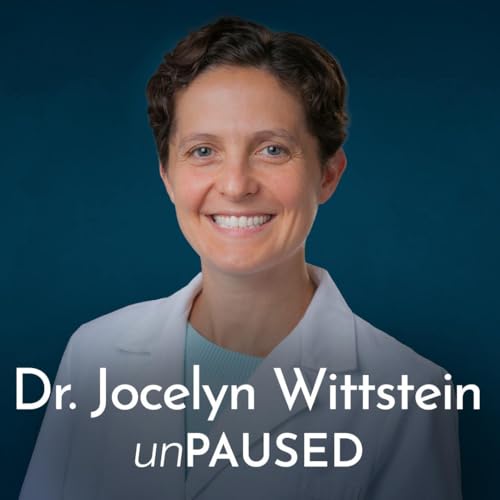
  • Strong Bones, Strong Body, Stronger Second Half with Dr Jocelyn Wittstein - Part 2
    Jan 22 2026
    In this continuation of their conversation, Dr. Jocelyn Wittstein and Dr. Mary Claire Haver shift from understanding why menopause affects bones and joints to what actually works for building stronger bones and preventing fractures. If you've been told your bone density is declining, or you're worried about falls and fractures, this episode delivers the practical protocols you need. Dr. Wittstein is a practicing orthopedic surgeon, researcher, and associate professor at Duke University specializing in sports medicine and the female athlete across the lifespan. She's also a former collegiate gymnast and mother of five. Her research focuses on frozen shoulder, ACL injuries in female athletes, and the musculoskeletal syndrome of menopause. As president of the Forum for Women in Sports Medicine, Dr. Wittstein is changing how we understand the intersection of hormones, movement, and independence in women's bodies. They tackle the questions women ask most. How much exercise is enough? What types build bone? Is jumping necessary? They discuss the LIFT More trial and EFOPS trial, research showing women in structured exercise programs had fifty percent reduction in fracture risk, even as bone density eventually declined. This reveals something crucial: preventing fractures goes beyond bone density numbers alone. Guest links: Jocelyn Ross Wittstein, MD (Duke Health) Jocelyn Wittstein, MD (Instagram) Duke Female Athlete Program Milken Institute Women’s Health Initiative Books:“The Complete Bone and Joint Health Plan: Help Prevent and Treat Osteoporosis and Arthritis,” by Dr. Jocelyn Wittstein and Sydney Nitzkorski, MS, RD To learn more about listener data and our privacy practices visit: https://www.audacyinc.com/privacy-policy Learn more about your ad choices. Visit https://podcastchoices.com/adchoices
    Mostra di più Mostra meno
    44 min
  • Menopause, Frozen Shoulder and the Joint Pain Wake Up Call with Dr. Jocelyn Wittstein - Part 1
    Jan 20 2026
    If you've ever struggled to put on a bra, reach behind your back, or lift your arm without searing pain in your shoulder, you're not alone. Frozen shoulder strikes women in midlife at alarming rates, yet for decades, medicine dismissed it as a mystery condition with no known cause. Orthopedic surgeon Dr. Jocelyn Wittstein saw what others missed: her patients with frozen shoulder were almost all women between forty and sixty, experiencing hot flashes, night sweats, and other symptoms of perimenopause and menopause. What she discovered is changing how we understand the impact of declining estrogen on women's joints, bones, and muscles. Dr. Wittstein is a practicing orthopedic surgeon, researcher, and associate professor at Duke University, specializing in sports medicine and the female athlete across the lifespan. She's also a former collegiate gymnast and mother of five. Her research focuses on frozen shoulder, ACL injuries in female athletes, and the musculoskeletal syndrome of menopause. As president of the Forum for Women in Sports Medicine, Dr. Wittstein is changing how we understand the intersection of hormones, movement, and independence in women's bodies. In this conversation, Dr. Mary Claire Haver and Dr. Wittstein explore how declining estrogen during perimenopause and menopause impacts joints, bones, muscles, and connective tissue. They discuss why frozen shoulder disproportionately affects women in midlife, with some Asian cultures having their own term for it that translates to fifty year shoulder. Dr. Wittstein explains the critical window for treatment, why early intervention can be transformative, and how hormone replacement therapy may prevent it, with preliminary data suggesting women using systemic estradiol have half the risk of developing frozen shoulder. She shares why physical therapy during the inflammatory phase can worsen it and how to recognize the early warning signs. Guest links: Jocelyn Ross Wittstein, MD (Duke Health) Jocelyn Wittstein, MD (Instagram) Duke Female Athlete Program Milken Institute Women’s Health Initiative Books“The Complete Bone and Joint Health Plan: Help Prevent and Treat Osteoporosis and Arthritis,” by Dr. Jocelyn Wittstein and Sydney Nitzkorski, MS, RD To learn more about listener data and our privacy practices visit: https://www.audacyinc.com/privacy-policy Learn more about your ad choices. Visit https://podcastchoices.com/adchoices
    Mostra di più Mostra meno
    1 ora
Ancora nessuna recensione