

What is philanthropy getting right (and wrong) in the democracy space?
Impossibile aggiungere al carrello
Rimozione dalla Lista desideri non riuscita.
Non è stato possibile aggiungere il titolo alla Libreria
Non è stato possibile seguire il Podcast
Esecuzione del comando Non seguire più non riuscita

What is philanthropy getting right (and wrong) in the democracy space?
-
Letto da:
-
Di:
A proposito di questo titolo
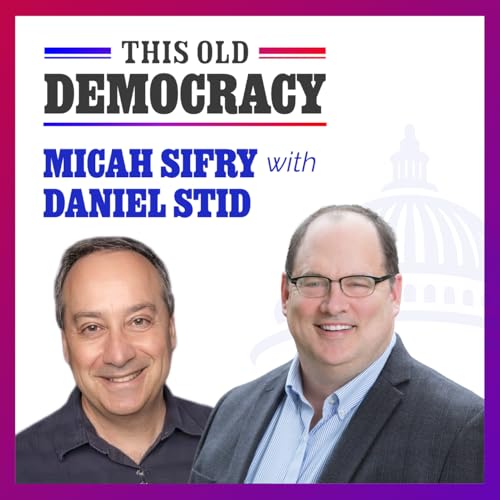
This one should get people who care about philanthropy buzzing. In the latest episode of "This Old Democracy," host Micah Sifry and political scientist Daniel Stid have a provocative discussion about what philanthropy is getting right, and has gotten wrong, in the democracy space.
Stid is the former director of the Hewlett Foundation's U.S. Democracy Program and now a senior fellow at the American Enterprise Institute. He offers a candid and critical assessment of the state of American democracy and the often-unintended consequences of philanthropic engagement in the political sphere.
Stid's view is that too much well-intentioned philanthropy has contributed to the hyper-polarization of American politics in the Trump era by funding advocacy for and against the administration. He argues that philanthropic funds have been (mis)used on both the right and the left: viz. Project 2025's governing agenda on one side, and the broad work to shape the electoral environment on the other.
Stid's most provocative argument is that the bulk of foundation spending—on highly visible issues like climate, criminal justice, or immigration—often funds advocates who "see no need to compromise and are pushing views that are really far outside the mainstream." This leads to a "tragedy of the commons," where actors doing what is "rational for them" (advancing their policy agenda) ultimately undermine the political system (the "commons") in which they operate.
Stid encourages philanthropies to develop a deeper, "more holistic conception of democracy," highlighting the Our Common Purpose report from the American Academy of Arts & Sciences (supported by the Rockefeller Brothers Fund). In the OCP report, you'll find some innovative thinking on strengthening both civil society institutions and individual citizens in their communities, as well as an argument on why our nation needs both.
Advocates left and right will disagree with some of what Stid says. But for those who hold a simultaneous membership in Team Democracy, Stid gives you something to think about.
RECOMMENDED READING:
Daniel Stid's must-read Substack: The Art of Association