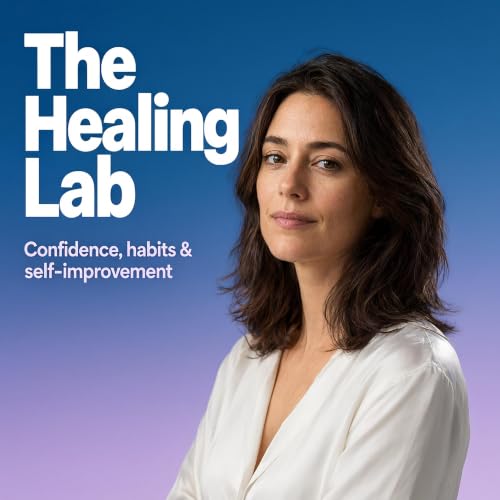
• When the Expert Fails You: Healing from Advisor Betrayal | The Healing Lab
    Oct 20 2026

    This episode of The Healing Lab, hosted by Elizabeth Dunleavy, addresses the profound and often overlooked pain of advisor betrayal. It explores the specific heartbreak that occurs when professionals—such as therapists, financial advisors, or career coaches—fail to uphold their ethical duties, leaving clients feeling vulnerable, confused, and ashamed. This content is essential for individuals who have experienced professional negligence, emotional manipulation, or boundary violations by those they hired to help them navigate life's challenges. It validates the grief associated with broken trust in expert relationships and offers a compassionate framework for processing these experiences without internalizing the failure as personal inadequacy.

    The narrative delves into the asymmetry of power in client-professional dynamics, explaining why neutrality can sometimes feel like indifference or exploitation. Listeners will learn how to distinguish between their own vulnerability and the unprofessional choices made by others. The episode provides practical steps for healing, including validating the reality of the betrayal, separating the advisor’s role from one’s self-worth, and setting intentional boundaries for future support. It emphasizes that cynicism and isolation are common defensive responses but encourages listeners to rebuild trust by choosing helpers more carefully, viewing themselves as the CEOs of their own lives rather than passive recipients of care.

    Ultimately, this episode serves as a guide for transforming the residue of betrayal into wisdom and resilience. It acknowledges that healing is non-linear and that it is okay to grieve the loss of faith in systems or mentors. By naming the betrayal and refusing to be grateful for lessons learned at too high a cost, listeners can reclaim their power. The discussion highlights the importance of integrity, self-protection, and seeking support that honors whole humanity over mere metrics. It is a resource for anyone looking to move from survival mode to thriving mode after experiencing professional disappointment.

    Join Elizabeth Dunleavy for this deep dive into emotional recovery and professional boundary-setting. If you found value in this episode, please consider supporting the show via the link below to help us continue providing free resources for mental health and personal growth.

    More from The Healing Lab: https://humanitymedia.org/the-healing-lab-3

    Topics: advisor betrayal, healing from professional neglect, therapist trust issues, career coach boundaries, emotional validation, rebuilding trust after betrayal, client abuse recovery, mental health support, self-improvement habits, ethical professional standards, overcoming impostor syndrome, setting healthy boundaries

    #healinglab #trustissues #professionalboundaries #emotionalhealing #selfworth #mentalhealthmatters #personalgrowth #betrayaltrauma #therapyjourney #resiliencebuilding #selfcare #confidenceboost

    Transcript: https://cdn.humanitymedia.org/transcripts/the-healing-lab-3/2026-10-20.txt

    Mostra di più Mostra meno
    8 min
  • The Shame of Crying in a Public Restroom: Reclaiming Your Tears | The Healing Lab
    Oct 19 2026

    In this episode of The Healing Lab, host Elizabeth Dunleavy explores the deep-seated shame associated with crying in public restrooms and offers a compassionate roadmap to reclaiming your emotional freedom. This conversation is designed for anyone who has ever felt exposed, judged, or embarrassed by their vulnerability, particularly women and professionals who feel pressured to maintain a facade of constant stability. We dissect the 'architecture of shame'—that sterile, anxious space where we try to fold our grief into neat packages—and challenge the societal narrative that equates poise with power and tears with weakness.

    We delve into the biology of emotion, explaining how emotional tears contain leucine enkephalin, a natural opioid that helps process stress hormones. By understanding that crying is a biological release valve rather than a character flaw, listeners can begin to dissolve the magic trick of shame. The episode shares personal anecdotes from corporate life to illustrate how we often project our own fears onto others, assuming judgment where there is actually indifference. You will learn that the audience in the restroom stall is largely an illusion; most people are too preoccupied with their own lives to notice yours. This realization is key to reducing social anxiety and embracing radical honesty.

    Practical takeaways include actionable steps for when tears come: breathing, placing a hand on your heart, and speaking kindly to yourself as a work in progress. Elizabeth encourages listeners to stop fighting their physiology and instead allow themselves to break open rather than break down. By sitting with discomfort and honoring needs, you build tolerance for your own empathy. This episode is not about eliminating tears but eliminating the shame attached to them, fostering a deeper relationship with your authentic self. Join us for this calm-ambient reflection on mental health, self-improvement, and the healing power of letting go.

    More from The Healing Lab: https://humanitymedia.org/the-healing-lab-3

    Topics: shame of crying, public restroom vulnerability, emotional release therapy, healing lab podcast, overcoming social anxiety, biological benefits of crying, self compassion exercises, mental health support, personal growth journey, radical honesty, stress hormone processing, Elizabeth Dunleavy

    #shame #vulnerability #mentalhealth #selfcompassion #healing #growthmindset #emotions #podcasttherapy #breathingexercises #authenticity #anxietyrelief #personaldevelopment

    Transcript: https://cdn.humanitymedia.org/transcripts/the-healing-lab-3/2026-10-19.txt

    Mostra di più Mostra meno
    9 min
  • The Quiet After the Storm: Navigating Career Loss | The Healing Lab
    Oct 18 2026

    In this episode of The Healing Lab, host Elizabeth Dunleavy offers a compassionate guide to navigating the profound silence and emotional turmoil that follows career loss. This episode is designed for individuals experiencing job termination, voluntary resignation due to burnout, or sudden professional transitions who are struggling with identity crisis, grief, and anxiety. It addresses the heavy, non-peaceful silence that often accompanies the shock of losing a job title, providing listeners with permission to feel lost, angry, or empty without judgment. By framing career loss as a significant life event akin to grief, the episode encourages deep emotional processing rather than rushing into immediate fixes or toxic positivity.

    The narrative explores the psychological impact of stripping away professional labels such as 'project manager' or 'nurse,' which often serve as our primary armor and source of self-worth. Elizabeth shares personal anecdotes of burnout and hollowing out to illustrate how we can become disconnected from our intrinsic selves when defined solely by our output. Key themes include separating human worth from economic productivity, recognizing the non-linear nature of healing, and understanding that grief comes in waves. Listeners are guided through practical exercises, such as identifying personal qualities unrelated to work, setting boundaries with social media highlight reels, and practicing consistent, gentle self-care over intense hustle culture. The episode emphasizes that small, foundational acts of self-repair are crucial for rebuilding a stable internal foundation after the debris of a career ends.

    Further insights focus on rewriting the personal narrative from one of failure to one of transformation and liberation. The episode challenges the listener to view transition not as an endpoint but as a temporary state leading to a more authentic version of themselves. It provides actionable advice on creating new routines that honor energy levels, finding joy in small everyday moments, and cultivating a supportive tribe while limiting exposure to external criticism. The ultimate takeaway is that you are not your job, your past, or your current uncertainty; you are a resilient, creative individual capable of defining a new life aligned with core values. This resource serves as both a comfort and a roadmap for those ready to clear the rubble and begin building anew, grounded in self-compassion and patience.

    Please listen to this full episode for a deeper dive into these healing strategies and support systems. If you find value in this content, please consider supporting The Healing Lab via the link provided below to help us continue bringing calm, ambient guidance to those in need.

    More from The Healing Lab: https://humanitymedia.org/the-healing-lab-3

    Topics: career loss recovery, job loss grief process, identity after layoff, burnout recovery tips, self-worth beyond work, mental health after unemployment, healing from career change, overcoming imposter syndrome, mindful self-care routines, emotional resilience building, navigating professional transition, letting go of job title, finding purpose after firing, slow living post-burnout, authentic self-discovery

    #careerloss #mentalhealthmatters #selfimprovement #burnouthealing #personalgrowth #identityshift #mindfulnesspractice #resiliencebuilding #jobsearchsupport #emotionalwellbeing #slowhealing #selfcompassion

    Transcript: https://cdn.humanitymedia.org/transcripts/the-healing-lab-3/2026-10-18.txt

    Mostra di più Mostra meno
    13 min
  • Finding Your Tribe: Building Community for Neurodivergent Souls | The Healing Lab
    Oct 17 2026

    This episode of The Healing Lab, hosted by Elizabeth Dunleavy, explores the unique challenges and profound rewards of building community for neurodivergent individuals. It addresses the specific exhaustion known as 'autistic burnout' or the 'cost of translation,' where masking one's true self to fit into neurotypical social norms leads to deep fatigue and isolation. This guide is designed for anyone with ADHD, autism, or sensory processing differences who feels like they are constantly performing rather than connecting. We examine why traditional socializing often fails neurodivergent souls and how shifting the focus from forced interaction to shared passion can create sustainable, low-energy connections.

    We dive deep into practical strategies for finding your tribe, emphasizing the importance of parallel play—a state of comfortable co-presence without the pressure of constant conversation. The discussion highlights how niche interest groups, structured local activities, and online communities centered on tasks rather than small talk allow for authentic engagement at one’s own pace. You will learn how to identify 'processing style' compatibility over mere hobby alignment, ensuring that friendships support your need for downtime and direct communication without judgment. These insights help transform the architecture of friendship from draining marathons to gentle, rhythmic check-ins that recharge rather than deplete.

    Furthermore, this episode offers compassionate guidance on navigating misunderstandings and setting boundaries within new relationships. It encourages listeners to distinguish between fundamental incompatibility and simple differences in communication style, promoting clear, non-defensive dialogue when missteps occur. For those unable to find an existing group, we discuss the empowering act of creating your own micro-community, whether through hosting intentional dinners or starting virtual study groups. By taking initiative, you become a beacon for others seeking similar safe spaces, fostering a collaborative healing environment. This narrative validates the friction of living in a world not designed for your mind while providing actionable steps toward belonging.

    If you have ever felt lonely in a crowd or exhausted by the effort of masking, this episode offers validation and a roadmap to genuine connection. Tune in to discover how to build a support system that honors your neurology and energy levels. Thank you for listening to The Healing Lab; if this content resonated with you, please consider supporting the show via the link below to help us continue bringing these vital conversations to life.

    More from The Healing Lab: https://humanitymedia.org/the-healing-lab-3

    Topics: neurodivergent community, building tribe for autistics, parallel play benefits, social exhaustion relief, adhd friendship tips, masking burnout recovery, sensory friendly socializing, finding neurodivergent friends, authentic self acceptance, low energy socializing, community building strategies, mental health support podcast

    #neurodiversity #autismacceptance #adhdcommunity #parallelplay #mentalhealthmatters #selfimprovement #socialanxietyhelp #belonging #healingjourney #introvertlife #communitybuilding #mindfulness

    Transcript: https://cdn.humanitymedia.org/transcripts/the-healing-lab-3/2026-10-17.txt

    Mostra di più Mostra meno
    9 min
  • Who Are You When The Relationship Ends? Finding Identity Beyond Labels | The Healing Lab
    Oct 16 2026

    In this episode of The Healing Lab, host Elizabeth Dunleavy explores the profound and often terrifying experience of losing one's identity after a relationship ends. When your personality was built around being someone’s partner, the sudden silence can feel less like freedom and more like standing on a stage with no lines. This episode is designed for anyone who has ever felt 'incomplete' without a significant other, offering a compassionate guide to reclaiming self-worth and discovering who you are when the mirror of their reflection is taken away. We delve into the psychological traps of merging identities, where hobbies, social circles, and even language become shared property, leaving little room for the individual 'I'.

    Elizabeth draws from her own experiences as a former strategist and current coach to illustrate how we often tether our value to external roles or partners. She challenges the dangerous cultural narrative of the 'soulmate' or 'missing piece,' arguing that true partnership is about two whole universes choosing to share life, not two halves trying to fix each other. The conversation moves from theory to practice, offering concrete strategies for rebuilding a solid foundation of self. Key themes include distinguishing between solitude (a gift) and loneliness (pain), recognizing the subtle erosion of personal taste in relationships, and understanding that creativity and joy are internal wells that do not dry up when others leave.

    Practical takeaways include the importance of reclaiming small, solitary joys—like reading a book cover-to-cover or cooking a meal just for yourself—as acts of rebellion against the idea that happiness must be shared to be valid. Elizabeth encourages listeners to identify their unique preferences, no matter how weird or different they seem, because these are the fingerprints of your soul. By building a life rich enough that you don't need to escape it, you shift from needing a partner to wanting one, fostering healthier, more sustainable connections. This episode provides the tools to stop clinging and start choosing, helping you build confidence that comes from trusting your own judgment and knowing you can survive being alone.

    If you are ready to stop looking outward for direction and start looking inward for energy, this episode will help you lay the bricks for an independent foundation. Join us as we explore how to find identity beyond labels and cultivate a quiet, steady confidence. For more resources, support, and to connect with the community, please visit our website at the link below. Thank you for listening, and remember: you are already whole.

    More from The Healing Lab: https://humanitymedia.org/the-healing-lab-3

    Topics: finding identity after breakup, self improvement for women, mental health podcast, overcoming codependency, building self confidence, healing from relationship loss, solitude vs loneliness, personal growth tips, independent living, emotional healing journey, self worth exercises, relationship advice, mindfulness practices, authentic self discovery

    #identity #selflove #healingjourney #mentalhealthawareness #confidence #growthmindset #solitude #breakuprecovery #selfworth #mindfuliving #personaldevelopment #innerpeace

    Transcript: https://cdn.humanitymedia.org/transcripts/the-healing-lab-3/2026-10-16.txt

    Mostra di più Mostra meno
    12 min
  • Finding Ground in the Storm: The Quiet Power of Daily Routine | The Healing Lab
    Oct 11 2026

    In this episode of The Healing Lab, host Elizabeth Dunleavy explores the profound psychological benefits of establishing a daily routine as a tool for mental health and emotional stability. Designed for individuals experiencing burnout, anxiety, or decision fatigue, this conversation reframes routine not as rigid control or restrictive structure, but as a gentle anchor that provides comfort and safety in an unpredictable world. If you have ever felt overwhelmed by the constant demand to be flexible and adaptable, this episode offers a compassionate perspective on how small, repetitive habits can serve as vital tethers to your own sense of self when external chaos feels unmanageable.

    Elizabeth draws from her background as a former corporate strategist to explain why optimizing every variable often leads to exhaustion rather than efficiency. She introduces the concept of 'gentle rhythm' versus 'rigid control,' highlighting how predictable micro-routines—such as making coffee a certain way, walking the same route, or lighting a candle before reading—signal safety to the nervous system. By automating mundane tasks, we reduce cognitive load, allowing the brain to shift energy from stress-heavy decision-making to restorative states. This approach transforms ordinary acts into radical self-care practices that foster resilience, creativity, and a deeper connection to the present moment.

    The episode delves into the neuroscience behind habit formation, explaining how consistency frees up mental space by moving actions from the prefrontal cortex to the basal ganglia. Listeners are encouraged to start with one tiny anchor, such as drinking water before checking their phone or taking five deep breaths before opening email, emphasizing observation over force. The core message is that healing is non-linear; the goal is not perfection but the compassionate return to routine after a misstep. This practice allows us to inhabit our lives fully rather than just observing them, turning the mundane into a source of quiet joy and stability.

    Join Elizabeth Dunleavy for this calming exploration of self-improvement through simplicity and consistency. Whether you are struggling with career uncertainty, family dynamics, or general life anxiety, these practical takeaways offer a path toward inner peace. Please support the show and access additional resources via the link below. Remember, this content is for reflection and support, not a substitute for professional mental health care.

    More from The Healing Lab: https://humanitymedia.org/the-healing-lab-3

    Topics: daily routine benefits, mental health anchors, burnout recovery strategies, nervous system regulation, cognitive load reduction, self-care rituals, anxiety management tips, habit formation psychology, mindful living practices, overcoming decision fatigue, gentle discipline, emotional resilience building, calm ambient podcast

    #routine #mentalhealth #selfcare #burnout #anxietyrelief #habits #mindfulness #healing #personalgrowth #nervoussystem #calm #resilience

    Transcript: https://cdn.humanitymedia.org/transcripts/the-healing-lab-3/2026-10-11.txt

    Mostra di più Mostra meno
    10 min
  • When Therapy Feels Like Toxic Positivity: A Real Talk Guide | The Healing Lab
    Oct 10 2026

    This episode of The Healing Lab, hosted by Elizabeth Dunleavy, addresses the painful experience of therapy feeling like toxic positivity. It is designed for individuals who feel dismissed, invalidated, or pressured to perform wellness rather than process genuine pain in their therapeutic relationships. If you have ever left a session feeling hollow because your grief was reframed as a 'learning opportunity' or your anger was minimized as a data point, this guide offers validation and practical strategies for navigating these moments without quitting the work entirely.

    The conversation dives deep into the specific betrayal felt when professional spaces that should offer sanctuary instead reflect only light, ignoring the messiness of human emotion. We explore how modern self-help culture and corporate language often borrow from business strategies—treating emotions as obstacles to be managed rather than signals to be heard. By examining the difference between healthy reframing and toxic positivity, listeners gain concrete keywords and concepts such as emotional validation, processing grief, avoiding emotional suppression, and recognizing invalidation in mental health settings. The narrative contrasts the corporate desire to 'pivot' through failure with the necessary, muddy reality of walking through grief, emphasizing that stripping the sting from pain also strips away its lesson.

    Furthermore, the episode provides actionable advice on how to advocate for yourself within the therapeutic frame. It discusses the importance of trusting your intuition when something feels wrong, identifying red flags in therapist responses, and finding practitioners who honor the full spectrum of human experience, including sadness and anger, rather than rushing toward forced optimism. This content is essential for anyone seeking authentic mental health support, personal growth tools, and a deeper understanding of what it means to heal without performing happiness. It serves as a real-talk guide for reclaiming your narrative and ensuring your therapy is a safe space for true emotional processing.

    If this resonated with you, please listen to the full episode for more detailed insights and personal anecdotes. You can support The Healing Lab and help us bring more honest conversations about mental health to the world by visiting the link in our show notes. Your support allows us to continue creating calm, ambient, and deeply informative content for our community.

    More from The Healing Lab: https://humanitymedia.org/the-healing-lab-3

    Topics: toxic positivity in therapy, invalidating therapist signs, emotional validation techniques, processing grief vs healing, mental health self advocacy, corporate speak in psychology, authentic therapy experience, burnout and self improvement, trust your intuition mental health, performing wellness, Elizabeth Dunleavy podcast, healing lab episodes

    #toxicpositivity #therapytips #mentalhealthawareness #emotionalvalidation #selfadvocacy #griefjourney #personalgrowth #healinglab #mindfulness #authenticliving #burnoutrecovery #therapistredflags

    Transcript: https://cdn.humanitymedia.org/transcripts/the-healing-lab-3/2026-10-10.txt

    Mostra di più Mostra meno
    3 min
  • When Parents Aren't Heroes: Grieving the Adults You Needed | The Healing Lab
    Oct 9 2026

    This episode of The Healing Lab, hosted by Elizabeth Dunleavy, explores the profound and often unspoken grief that arises when we realize our parents are not infallible heroes, but flawed humans who were simply winging it. It is designed for adults in their twenties, thirties, and beyond who are navigating the complex process of separating from parental expectations, healing from intergenerational trauma, and redefining their relationship with the people who raised them. If you have ever felt a heavy silence after seeing your mother or father as vulnerable individuals rather than giants, this conversation validates that experience as a necessary step toward emotional liberation.

    We dive deep into the psychology of grieving the 'fantasy parent'—the idealized figure we needed for safety and validation—and distinguish this mourning from rejecting our actual parents. The discussion provides concrete context for understanding why certain patterns exist in your life, such as struggles with conflict resolution, trust issues, or self-criticism. By viewing parental limitations as data points rather than personal rejections, listeners learn how to break cycles of unresolved trauma. This episode offers practical guidance on becoming the parent you needed emotionally, focusing on self-soothing techniques, setting healthy boundaries, and practicing radical self-compassion when you make mistakes.

    The narrative also addresses the loneliness of this journey, reassuring listeners that they are not alone in feeling isolated or disappointed. We explore the concept of healing as a non-linear spiral, where returning to old wounds allows for deeper growth with more tools and awareness each time. The episode encourages choosing chosen family over obligation, finding comfort in shared humanity, and stopping the performance for an audience that does not truly see us. Through stories like Sarah’s, who stopped seeking her father’s approval to find her own worth, listeners gain permission to prioritize their peace and build a new lineage of emotional health.

    Join Elizabeth Dunleavy for this calm, ambient exploration of self-improvement and mental health. Whether you are looking to understand your childhood dynamics, heal from emotional neglect, or simply feel seen in your grief, this episode offers a gentle space for reflection. Please remember that while this show provides support, it is not a substitute for professional care; if you are struggling, please reach out to a qualified mental-health professional. Listen now to begin your journey toward freedom and self-kindness.

    More from The Healing Lab: https://humanitymedia.org/the-healing-lab-3

    Topics: grieving perfect parents, intergenerational trauma healing, setting boundaries with parents, self-parenting techniques, emotional independence, adult children of dysfunctional families, breaking family cycles, parental disappointment grief, mental health self improvement, choosing chosen family, healing from emotional neglect, personal growth podcast

    #griefandgrowth #parentingtruths #selfcompassion #boundaries #healingjourney #mentalhealthmatters #innerchildwork #familydynamics #selfworth #emotionalfreedom #breakthecycle #chosenfamily

    Transcript: https://cdn.humanitymedia.org/transcripts/the-healing-lab-3/2026-10-09.txt

    Mostra di più Mostra meno
    9 min