The Dark Side of Dining copertina

The Dark Side of Dining

The Dark Side of Dining

Di: Food For Thought Audio
Ascolta gratuitamente

3 mesi a soli 0,99 €/mese

Dopo 3 mesi, 9,99 €/mese. Si applicano termini e condizioni.

A proposito di questo titolo

Have you ever heard about the Great Canadian Maple Syrup Heist of the 2010's? What about the debate over so-called "slow food?" Do you ever wonder how identity is tied to food? Have you ever questioned if your parmesan and olive oil are actually made in Italy? If you've ever wanted to know more about humanity's complicated and storied history with food, then this is the podcast for you. Join host Kenny Mears as he dishes up the dirty history of the dark side of dining, from food fraud and smuggling to endangered foods and how we can feed the world.

Food For Thought Audio 2025
Arte Crimini reali Cucina Enogastronomia
  • Hungry For Good Soil: Why soil health is essential to your health
    Dec 11 2025

    Discover the surprising and vital link between the dirt your food grows in and the health of your own digestive system! In this eye-opening episode of The Dark Side of Dining, host Kenny Mears speaks with soil expert Chris Nichols about the profound connection between the soil microbiome and the gut microbiome. Chris explains that both systems function under a highly efficient "carbon economy": just as beneficial mycorrhizal fungi in the soil act as an "Amazon delivery system" to exchange essential micronutrients for plant carbon , your gut microbes break down complex food molecules for your bloodstream. The dark side? Modern high-yield, monoculture farming and the extensive use of synthetic fertilizers effectively "outsource" the jobs of the soil microbiome, cutting off this nutrient exchange. This leads to plants (and subsequently, our food) becoming nutrient-poor and stuffed primarily with carbohydrates, creating the vicious cycle of malnutrition and obesity seen in the Western world, where the starving gut microbiome constantly signals the brain, "I'm hungry, feed me!" Chris details the devastating loss of 1.7 billion metric tons of topsoil annually in the U.S. due to practices like tillage, and offers tangible solutions centered on regenerative agriculture principles: reducing soil disturbance, diversifying crops (moving away from the "donut diet"), managing fertilizer timing to feed the microbes, and integrating animals. Listeners can make a difference by becoming active citizens: supporting farmers practicing these techniques, choosing diverse foods (like ancient grains and legume-based pastas), reading labels to avoid hidden sugars and unnecessary preservatives, and educating themselves on what food labels actually mean.

    Mostra di più Mostra meno
    49 min
  • Are GMO's Really Bad?
    Dec 4 2025

    Dive into the highly polarized world of GMOs (Genetically Modified Organisms) in this exclusive, uncut interview with environmental and science writer Mark Lynas, who famously transitioned from a staunch anti-GMO activist to a pro-science advocate. Lynas shares that his initial opposition in the mid-1990s was driven by a "yuck factor," corporate opposition to companies like Monsanto, and a suspicion that GMOs represented the worst direction for chemical-dependent, monopolistic agriculture. He details the major turning point in his perspective, realizing that the fear and hysteria surrounding GMOs—much like anti-vaccine sentiment today—lacked a basis in peer-reviewed scientific evidence. Lynas argues that genetic modification is simply a technology, like a knife or a wheel, whose benefits must be assessed on a case-by-case basis. He highlights the huge potential benefits that misinformation has hampered, such as Golden Rice (engineered to combat Vitamin A deficiency), insect-resistant crops that dramatically reduce insecticide use, and the cutting-edge innovations in mRNA technology that originated from this genetic revolution. The conversation touches on the ethical and political dimensions, including debates over using GMOs in the natural world (like genetically modified corals or chestnut trees) and the importance of supporting research funding and retaining America's leadership in science. Ultimately, Lynas advises listeners to abandon tribal opinions, hold beliefs loosely, and embrace the scientific process, even when it's complicated, to become better-informed participants in democracy.

    Mostra di più Mostra meno
    21 min
  • Starving For Attention: Russia's Problematic Food History
    Nov 20 2025

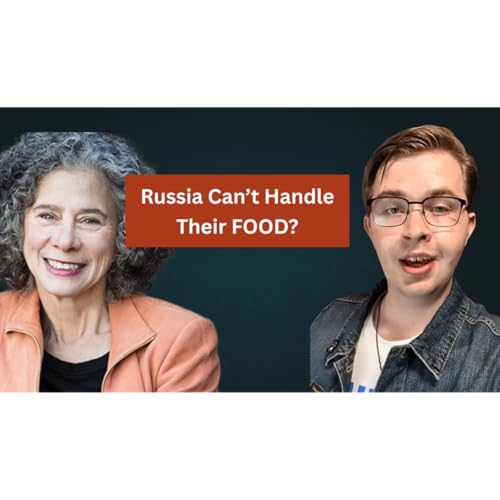
    Delve into the harsh culinary history of Russia in this episode of The Dark Side of Dining, as host Kenny Mears welcomes back author and food scholar Darra Goldstein to explore how food has continuously shaped, and often plagued, the nation. Goldstein, a professor of Russian literature, reveals that Russia's challenges stem from a combination of geographical hostility (poor soil in the North) and severe political weaponization of food. Historically, natural famines were common due to weather and superstitious agricultural practices, but the 20th century transformed hunger into a tool of political control. Discover the brutal period of Stalin's collectivization, where grain was requisitioned from the fertile Chernozem soil of Ukraine, leading to the deliberate starvation of approximately five million people in the Holodomor. Goldstein highlights how this pattern of using food as a weapon continues today with the Russian invasion of Ukraine, noting the early blockade of grain shipments from the Black Sea ports, which quickly turned a regional issue into a global food crisis. The conversation also explores the legacy of the Soviet era: while starvation was rare, the food supply was monotonous. Today, however, with the collapse of the Soviet safety net, poverty has led to genuine hunger among the elderly, while sanctions have paradoxically spurred Russian ingenuity, leading to the successful domestic production of formerly imported Western goods like hard aged cheeses (Russian Feta, Russian Brie). Ultimately, Goldstein offers a crucial lesson from the Russian experience: the importance of self-sufficiency and resilience, encouraging listeners to cultivate their own food (even small dacha-style garden plots for potatoes and pickles) as a hedge against unpredictable future hardship.

    Find out more about Darra and her work!

    Website: https://darragoldstein.com/

    Instagram: https://www.instagram.com/darra.goldstein/

    Follow The Dark Side of Dining:

    • Instagram: https://www.instagram.com/thedarksideofdining?igsh=cGkwdXp1MWRuN2tp
    • Facebook: https://www.facebook.com/share/1G88ZywYK5/
    Mostra di più Mostra meno
    15 min
Ancora nessuna recensione