Episodi

  • Episode 75: Bridging Worlds with Nana Asare-Nova Felder on Identity, Heritage & Black Unity Beyond Victimhood and Toward Empowered Communities
    Jan 16 2026

    In this episode, I had the opportunity to sit down with Nana Asare-Nova Felder, a community educator, organizer, cultural worker, graduate of the City University of New York, and a lifelong student of African and African-American studies. Nana Asare was raised in a multicultural home by a Kenyan immigrant mother and an African American father, a Black activist, cultural teacher, and Harlem bookseller. He grew up at the intersection of two powerful identities that shaped his worldview, his work, and his commitment to unity within the global African community. For nearly two decades, Asare-Nova and his late father were a foundational presence on Harlem's historic 125th Street, selling books, DVDs, and cultural materials while offering lessons on Pan-African history—cultivating a space that inspired many, in exploring Black history beyond the classroom.

    Summary:

    During our conversation, Nana Asare Nova Filder shares his rich heritage as the son of a Kenyan mother and an African-American father. He reflects on the impact of his multicultural upbringing in New York City, emphasizing the importance of identity, community engagement, and the challenges faced by today's youth. Nana Asare discusses the evolution of street-level intellectual culture and its significance in shaping the political consciousness of African Americans. He emphasizes the need for liberation of the mind, the significance of education, and the responsibility of individuals to take charge of their own learning and community development. During our conversation, I also highlighted the importance of cultural identity and the need for unity among African people globally, advocating for empowerment over victimhood and collective responsibility for future generations.

    Takeaways


    Asare Nova Filder emphasizes the importance of understanding one's heritage.

    Growing up in a multicultural home shaped Asare's identity positively.

    The role of community engagement is crucial for youth development.

    Street-level intellectual culture provided a unique educational experience.

    The impact of technology on community engagement and activism is significant.

    Today's youth face different challenges compared to previous generations.

    Understanding trauma is essential for addressing community violence.

    The importance of cultural connection in shaping identity is paramount.

    Asare's father's experiences in Africa influenced his worldview.

    The need for community leadership and engagement is critical for progress.

    Liberation involves mental and emotional freedom.

    Understanding our history is crucial for future progress.

    Education is a shared responsibility among parents, community, and the system.

    Cultural identity is essential for empowerment.

    We must take personal responsibility for our actions and choices.

    Unity among African people is vital for collective growth.

    Empowerment is a choice we must actively make.

    The time for action and community involvement is now.

    Each individual has a role in shaping the future of the community.


    Chapters


    00:00 Introduction to Asare Nova Filder

    26:26 Growing Up in a Multicultural Household

    32:42 Activism and Community Engagement in Harlem

    39:12 The Harlem Experience and Cultural Roots

    46:55 The Evolution of Community Engagement

    54:39 The Impact of Technology on Black Culture

    01:02:44 Reflections on Youth and Violence Today

    01:17:55 Liberation and the Legacy of Our Ancestors

    01:24:31 Challenges in the Public School System

    01:37:22 Community Responsibility and African-Centered Solutions

    01:46:27 From Victimhood to Empowerment: A Shift in Perspective

    01:56:30 The Responsibility of Community Engagement

    02:02:37 Cultural Identity and Generational Wisdom

    02:09:20 Building Bridges: Connecting African and African American Communities

    02:16:39 Understanding Our Shared Culture and History

    02:22:51 Empowerment Through Unity and Action


    Mostra di più Mostra meno
    2 ore e 34 min
  • Episode 74: When Mental Health Meets Chronic Illness: Understanding Mental and Cardiovascular Health in African Immigrants with Dr. Nwakaego Nmezi
    Dec 26 2025

    In this episode, I had the opportunity to have conversation with Dr. Nwakaego A. Nmezi, a renowned rehabilitation psychologist whose work bridges mental health, chronic illness, disability, and culturally grounded care.


    Bio:

    Nwakaego Nmezi a licensed Counseling Psychologist with specialty training Rehabilitation Psychology. Her clinical and research areas of interest are in addressing health inequities in cardiovascular health outcomes among marginalized and underserved patient populations.

    Dr. Nmezi is a staff psychologist a MedStar Good Samaritan Hospital. She obtained her doctoral degree in Counseling Psychology from the University of Florida and completed a postdoctoral fellowship in Rehabilitation Psychology at Johns Hopkins University. As a clinician her principal focus is on helping adults adjust to acute and chronic illness which often includes focusing on the psychological sequela of physical health condition.


    Our conversation focus on many of the issues addressed on her research on African immigrants. It covers depression, acculturation, cardiovascular health, access to mental health care, and aging. Dr. Nmezi offers deep insights into how the experiences of African immigrants uniquely shape their health outcomes.


    Our conversation also explores the intersection of mental health and cultural identity among African immigrants, emphasizing the importance of understanding cultural nuances in mental health care. Dr. Nmezi shares personal experiences that shaped her professional journey in psychology, highlighting the challenges faced by second-generation immigrants in navigating multiple cultures. The discussion also addresses the stigma surrounding mental health in African communities and the need for culturally competent care. Research insights reveal the links between depression, acculturation, and cardiovascular health, underscoring the necessity of tailored interventions. The episode concludes with advice for healthcare providers and the African immigrant community on fostering open conversations about mental health.


    Takeaways


    The importance of cultural identity in mental health.

    Second-generation immigrants often navigate multiple cultures.

    Stigma around mental health is prevalent in African communities.

    Cultural competency is crucial in mental health care.

    Personal experiences can shape professional paths in psychology.

    Acculturation affects mental health outcomes significantly.

    Access to mental health care is a critical issue.

    Normalizing mental health conversations is essential for community healing.

    Physical and mental health are interconnected.

    Healthcare providers should create space for cultural understanding.


    Chapters


    00:00 Introduction to the Podcast and Guest

    03:55 Dr. Nwaka Egu-Namzi's Background and Cultural Identity

    07:29 Challenges of Second Generation African Immigrants

    11:17 Cultural Perspectives on Mental Health

    16:45 Influence of Personal Experiences on Career Path

    20:14 The Role of Culture in Health and Healthcare

    24:54 Cultural Sensitivity in Psychological Practice

    31:07 The Interconnection of Physical and Mental Health

    35:28 Understanding Mental Health Symptoms in African Immigrants

    38:48 Understanding Depression and Its Symptoms

    41:23 The Importance of Mental Health Conversations

    44:56 Acculturation and Its Impact on Mental Health

    47:52 The Link Between Depression and Cardiovascular Health

    51:47 Acculturation Patterns Among Older Immigrants

    53:19 Access to Mental Health Care Services

    55:58 Cultural Sensitivity in Healthcare

    01:00:02 Normalizing Mental Health Discussions

    01:06:06 Advice for Healthcare Providers and Immigrants


    Mostra di più Mostra meno
    1 ora e 13 min
  • Episode 73: Obesity, Stress, and Survival: How Migration Shapes African Immigrants' Heart Health with Dr. Oluwabunmi Ogungbe
    Dec 5 2025

    In this insightful episode, I had the opportunity to sit down with Dr. Oluwabunmi Ogungbe, an assistant professor at Johns Hopkins University School of Nursing and the Johns Hopkins Bloomberg School of Public Health. Groundbreaking research she conducted includes:

    1. Migration-Related Weight Changes among African Immigrants in the United States

    2. Acculturation and Cardiovascular Risk Screening among African Immigrants: The African Immigrant Health Study

    3. Social determinants of hypertension and diabetes among African immigrants: the African immigrants' health study:

    In the initial part of our conversation, Dr. Ogungbe shares her personal journey as an immigrant from Nigeria navigating America's educational and social systems. Most of our discussion focused on her groundbreaking research on the cardiovascular health of African immigrants in the United States. Ogungbe unpacks the connections among migration, lifestyle changes, stress, and their impact on cardiovascular health.


    We explore how acculturation, food choices, underemployment, and discrimination can contribute to an increase in rates of obesity, hypertension, and diabetes among African immigrants. Dr. Ogungbe provides insightful, culturally tailored health interventions. Dr. Ogundge emphasizes the need for more research focused on African immigrant populations to understand their unique health needs and improve health outcomes.

    Dr. Ogungbe discusses the difficulties that the generation members of our community face in participating in research, and she explains the importance of participating in research studies. She indicated that participation helps ensure that our real experiences, health needs, and challenges are accurately represented. When our community hesitates or avoids participating in studies, we must understand that the data collected shapes policies, healthcare practices, and resources available to our community. As she related during our conversation, incomplete data would reflect the realities of African immigrants regarding the kind of care they receive when it comes to health care. By showing up and engaging in research, you help create knowledge that can lead to better services, culturally informed interventions, and improved health outcomes. Our voices matter, and participating is one of the most potent ways to make sure they are heard.


    Takeaways


    Cardiovascular health is a critical issue for African immigrants in the U.S.

    Migration impacts health through various factors like stress and access to care.

    Cultural practices influence dietary habits and health outcomes.

    Acculturation can lead to unhealthy lifestyle changes among immigrants.

    Community support plays a vital role in health and well-being.

    Preventive care is essential for managing chronic conditions.

    Discrimination and isolation contribute to health disparities.

    BMI may not accurately reflect health risks for diverse populations.

    Tailored health interventions can improve health outcomes for African immigrants.

    Participation in research is crucial for understanding and addressing health issues.


    Chapters


    00:00 Introduction to Cardiovascular Health in Immigrants

    03:35 Personal Journey and Migration Experiences

    14:13 Challenges Faced by African Immigrants in the U.S.

    20:19 The Sense of Possibility in America

    22:20 Research Focus on Cardiovascular Health

    26:49 The Importance of Distinct Data for African Immigrants

    30:44 Acculturation and Its Impact on Health

    32:16 Educational Attainment and Health Outcomes

    34:50 Psychosocial Stressors and Health Implications

    38:46 Cultural Influences on Health and Diet

    45:44 The Impact of Stress and Discrimination on Health

    52:40 Rethinking Health Metrics: The Case for BMI

    01:01:40 Effective Health Interventions for African Immigrants

    01:13:44 Community and Cultural Approaches to Health


    Mostra di più Mostra meno
    1 ora e 20 min
  • Episode 72: Between Two Worlds: The Experiences of Aging, Identity, and Belonging Among Older African Immigrants in America — featuring Prof. Manka Nkimbeng
    Nov 14 2025

    Dr. Manka Nkimbeng, an Assistant Professor at the University of Minnesota School of Public Health and a community-engaged nurse scientist. Dr. Nkimbeng is an African immigrant whose personal and professional journey fuels her research on health equity, aging, and dementia, especially among minority and immigrant older adults. Dr. Nkimbeng earned her Ph.D. in Nursing from Johns Hopkins University, a Master’s degree in Public Health from Boston University, and a Bachelor of Science in Nursing from the University of Massachusetts Amherst. She also completed the Robert L. Kane Postdoctoral Fellowship at the University of Minnesota.

    Drawing from her studies “Where to Retire? Experiences of Older African Immigrants in the United States” and “All I Know Is That There Is a Lot of Discrimination,” Dr. Nkimbeng shares groundbreaking insights into how older African immigrants navigate complex questions of identity, belonging, and retirement in America.This conversation explores aging, migration, and the concept of belonging among the older generation of African immigrants in the United States.

    Dr. Nkimbeng highlights the resilience of older African immigrants who continue to navigate two worlds. Whether you are an immigrant, a health professional, a policymaker, or a community advocate, this conversation offers valuable insights into how culture, discrimination, and community influence the aging experience in America.Together, we examine the factors that influence whether older African immigrants choose to remain in the U.S. or return to their countries of origin — from access to healthcare and family support to cultural identity and community connections. The conversation also delves into how discrimination, both institutional and interpersonal, impacts the mental and physical health of African immigrants as they age, and the coping strategies they use to survive and thrive.


    The takeaways


    Cultural engagement is vital for immigrant communities.

    Navigating dual identities can be challenging for immigrants.

    Discrimination often comes from within the community as well.

    Family expectations play a significant role in academic success.

    Building bridges between cultures enhances community support.

    Research on African immigrants is often overshadowed.

    Community-based participatory research is essential for effective studies.

    Retirement decisions are influenced by notions of home.

    Healthcare access is a critical issue for older immigrants.

    End-of-life planning is often neglected in immigrant communities.


    Chapters


    00:00 Introduction to Dr. Nkimbeng

    04:17 Dr. Nkimbeng's Personal Journey and Identity

    12:31 Cultural Values and Academic Success

    17:49 Research Challenges and Community Engagement

    23:49 Exploring the Concept of Home for Immigrants

    28:54 Healthcare Access and Social Support

    34:56 Cultural Identity and Belonging

    41:17 Identity Formation and Cultural Integration

    46:31 Challenges of Professional Identity and Respect

    51:56 Community Engagement and the Importance of Connection

    55:05 Understanding Racial Discrimination in Immigrant Experiences

    01:04:10 Coping Mechanisms for Discrimination

    01:12:15 Cultural Humility in Healthcare and Community Support

    Mostra di più Mostra meno
    1 ora e 20 min
  • Episode 71: Setting Boundaries: A Conversation with Dr. Mercedes Okosi on Self-Worth, Culture & Assertiveness
    Oct 31 2025

    Introduction & Summary

    Dr. Mercedes Okosi returned to the Pansa Pansa Podcast to introduce her newly published book to our listeners. Dr. Okosi is a psychologist and the author of a powerful new book, The Big Book of Boundaries for People Who Make Themselves Small. In this book, Dr. Okosi explores why so many of us struggle with setting limits, whether emotional, physical, or even with our time. She explained how reclaiming our boundaries is an act of self-worth. As the daughter of an African immigrant father from Nigeria and an African American mother, Dr. Okosi brings a unique cultural and professional perspective to this conversation. In this conversation, we discussed what inspired her to write the book, the different types of boundaries we need in our lives, and how assertive communication can transform our relationships. Dr. Okosi emphasizes the importance of assertive communication and understanding various kinds of boundaries—physical, intellectual, emotional, and material. The discussion also touches on cultural influences on boundary setting and the emotional costs of neglecting personal space. Dr. Okosi provides insights into how individuals can reclaim their space and prioritize their well-being through effective boundary management.


    Takeaways


    Setting boundaries is an act of self-worth.

    Cultural influences significantly affect how boundaries are perceived and set.

    Assertive communication is key to maintaining healthy boundaries.

    There are different types of boundaries: physical, intellectual, emotional, and material.

    Guilt often prevents people from setting necessary boundaries.

    Empowerment comes from actively participating in one's own life.

    It's important to communicate your boundaries clearly to others.

    Boundaries are not just for personal protection but also for fostering healthy relationships.

    Understanding the emotional costs of not setting boundaries is crucial.

    Everyone deserves to prioritize their own needs and well-being.


    Chapters


    00:00 Introduction to Boundaries and Self-Worth

    03:33 The Impact of Upbringing on Boundary Setting

    08:04 Understanding the Book Title and Its Significance

    10:03 Exploring Racial and Cultural Boundaries

    11:39 Types of Boundaries: An Overview

    15:56 Physical Boundaries: Everyday Examples

    20:58 Intellectual Boundaries: Protecting Ideas and Values

    23:43 Emotional Boundaries: Responsibility for Others' Feelings

    29:41 Navigating Parenting and Individuality

    30:51 Understanding Sexual Boundaries

    34:32 Empowerment in Sexual Life

    35:47 Cultural Contexts of Domestic Violence

    37:50 Material Boundaries and Financial Obligations

    41:03 Setting Limits on Time and Social Obligations

    49:18 Assertive Communication Skills

    51:57 Active Participation in Life

    54:24 Shifting Focus to Self-Care

    58:10 Introduction to PANSA PANSA Live Podcast


    Mostra di più Mostra meno
    59 min
  • Episode 70: Finding Rest: Why African Immigrant Families Struggle to Access Respite Care with Dr. Yewande Richards
    Oct 10 2025

    To be a parent to a child with special needs is an act of relentless love, but no parent should have to do it alone. When the systems fail to provide respite care or the services and support needed, the system dismisses the humanity of caregivers and the rights of children. Dr. Yewande Richards' advocacy is rooted in both lived experience and rigorous research. Her personal and professional experiences show that so much is at stake. What would it look like if policy truly valued the labor of mothers like her and not just in theory, but in tangible support?

    Summary

    Our discussion delves into the importance of community engagement, the barriers to accessing services, and the need for open conversations about children of immigrants with special needs and the family dynamics. Dr. Richards shares personal anecdotes and insights from her research on African immigrant mothers and their children with special needs, emphasizing the importance of understanding and addressing the unique challenges faced by this community.

    Bio:

    Dr. Yewande Richards obtained her doctoral degree in 2024 from Walden University's School of Behavioral and Social Sciences. Her doctoral dissertation, conducted as a nationwide qualitative study, examined barriers to Respite Care Among African Immigrant Mothers of Children with Complex Needs. The purpose of this study was to understand access barriers to respite care services for these mothers and the role of race in potential disparities in access using a critical race theoretical lens. As Dr. Richards pointed out during our conversation, she was investigating this problem to help fill a knowledge gap in the human and social services fields related to identifying and tracking African immigrant children's complex health conditions and providing critically needed care and support for them and their families.

    Ms. Richards also holds a Master of Public Administration from New York University and a degree in Biology from Berea College. She is a mother of 3 sons, one of whom has complex needs. She enjoys quiet living, nature, the arts, and exploring various cultures. She has also been a small business owner for nearly a decade.


    Takeaways

    The journey from Liberia to America was influenced by a mother's foresight.

    Parental influence plays a significant role in shaping children's lives.

    Cultural differences impact emotional expression and parenting styles.

    Children of immigrants face unique challenges in navigating their identities.

    Education and social life in college can be complex for immigrant students.

    Research on African immigrant mothers highlights barriers to accessing services.

    Community engagement is crucial for addressing the needs of immigrant families.

    Understanding family dynamics is essential for supporting children with special needs.

    Mental health discussions are often stigmatized in immigrant communities.

    Collective action is necessary for advocating for immigrant rights and services.


    Chapters

    00:00 Introduction to Yewanda Richards and Her Journey

    05:08 The Impact of Family and Cultural Background

    08:20 Exploring Fatherhood and Its Challenges in African Families

    10:59 The Immigrant Experience: Challenges Faced by Children

    14:03 Understanding the Parent-Child Dynamic in Immigrant Families

    17:04 Cultural Differences in Emotional Expression and Mental Health

    19:37 Navigating College Life as an Immigrant Student

    22:11 Research Focus: African Immigrant Mothers and Special Needs

    25:15 Barriers to Respite Care for African Immigrant Families

    30:57 Understanding Participation in Research

    33:33 Advocacy and Community Engagement

    36:01 Challenges in Research and Data Collection

    39:12 Family Dynamics in African Immigrant Communities

    41:57 Access to Healthcare and Services

    44:49 The Importance of Respite Care

    46:31 Barriers to Accessing Care

    49:11 The Role of Community in Research

    51:54 Cultural Competency and Advocacy

    55:26 Empowerment and Collective Action


    Mostra di più Mostra meno
    59 min
  • Episode 69: Science, Identity, and Belonging: A Conversation with Dr. Otito Iwuchukwu
    Sep 26 2025

    Dr. Otito Iwuchukwua is a brilliant organizational psychologist, an author, scientist, and educator. She is a member of the Department of Pharmaceutical Sciences at the College of Pharmacy and Health Sciences. She is a Pharmacist Scientist with a Ph.D. in Pharmaceutical Sciences, specialization in Drug Metabolism and Pharmacokinetics, from Temple University School of Pharmacy in Philadelphia.


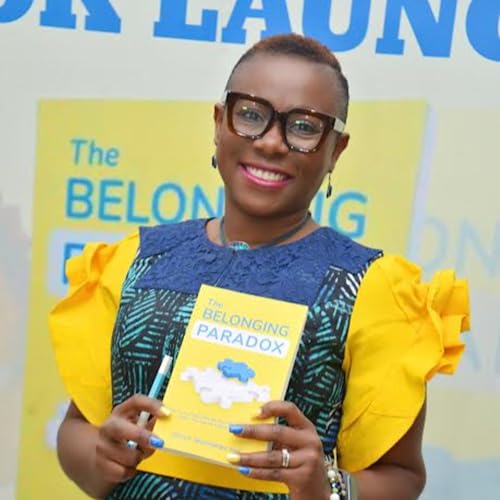
    Dr. Iwuchukwu, PhD, is on a mission to write books that help people connect with themselves, each other, and the world around them through stories. Her latest book, The Belonging Paradox, is a personal navigator’s guide to understanding oneself in relationship to others in various life spaces. Through individual belonging stories, research insights, and incisive reflection questions, the book encourages readers to perceive belonging and then beam it out into the world. When we belong to ourselves, no matter who we are or where we are, we can let go of the stories we tell ourselves as we reframe challenging interpersonal relationships. Otito believes that belonging is both personal and collective and is not an individual mission to be conquered. We need a community to reflect belonging fully. The Belonging Paradox helps readers see, in no uncertain terms, that if we truly learn to belong to ourselves, we can offer genuine belonging to others in our lives.


    Summary


    In this conversation, we explored the complex experiences of African immigrants in America, focusing on themes of migration, identity, and belonging. Dr. Otito Iwuchukwua shares her personal journey, discussing the challenges of cultural shock, navigating professional spaces, and the importance of mentorship. The discussion also highlights the significance of pharmacogenomics and the role of storytelling in fostering community and understanding. Ultimately, the conversation emphasizes the need for connection, cultural exchange, and the power of belonging in shaping the immigrant experience.


    Takeaways


    Dr. Otito Iwuchukwua the importance of belonging and identity.

    Cultural shock is a common experience for immigrants adjusting to life in the U.S.

    Navigating professional spaces can be challenging for immigrants, especially in predominantly white environments.

    Pharmacogenomics is a field that studies how genetics affect drug responses.

    Mentorship plays a crucial role in the success of immigrants in their professional journeys.

    Racial dynamics in America can create barriers to belonging for immigrants and people of color.

    The Belonging Paradox explores the complexities of feeling like an outsider.

    Parents can help their children feel a sense of belonging by connecting them to their cultural roots.

    Cultural exchange and storytelling can bridge gaps between different communities.


    Chapters:

    01:20 Exploring Migration and Identity

    03:09 Dr. 'Otito Iwuchukwua Background and Family History

    05:10 Motivations for Migrating to the U.S.

    07:14 Emotional Aspects of Leaving Home

    09:08 Cultural Shock and Adjustment in the U.S.

    13:14 Finding Community and Belonging

    16:04 Professional Journey in Pharmacogenomics

    19:44 Understanding Genomics and Precision Medicine

    22:00 Navigating Challenges as a Woman of Color in Science

    27:31 Mentorship and Role Models in Academia

    29:53 Navigating Professional Identity as an Immigrant

    36:00 Understanding Racial Dynamics in the U.S.

    44:23 The Concept of Belonging

    55:59 Experiencing Liminal Spaces as Immigrants

    01:00:10 Defining True Belonging

    01:02:31 Nurturing a Sense of Belonging in Children

    01:04:21 Cultural Connection and Identity

    01:09:00 The Role of Home in Belonging

    01:12:23 Navigating Intraracial Discrimination

    01:15:04 Understanding Scarcity and Resource Dynamics

    01:18:11 Empathy and Shared Experiences

    01:22:15 Building Bridges Across Cultures

    01:26:27 The Power of Storytelling and Community

    To furtherconnect with Dr. Iwuchukwua please visit her website @ http://www.otitoiwuchukwu.com/


    Mostra di più Mostra meno
    1 ora e 30 min
  • Episode 68: Taking Up Space Authentically: Conversation with Mwangi Wanjau on Identity and Belonging
    Sep 12 2025

    Migration is not just a change of geography, but it is a rebirth of self. Every immigrant, no matter race or cultural identity, carries two worlds with them. The world they left behind and the world they must learn to call home. In this episode, I have the chance to engage in a profound conversation with Mwangi Wanjao, a storyteller and writer from Nairobi, Kenya, now residing in Canada.


    In this conversation, we explore challenges of migration, which includes identity, race, and the immigrant experience. Particularly, we focus on the challenges African immigrants face in predominantly white spaces. Mwangi shares his journey, cultural shocks, and the complexities of navigating dual identities while emphasizing the importance of authenticity and belonging. The discussion also touches on the impact of American racial discourse on Canada as well as the rest of the world, and the need for communities among diverse Black identities to address discrimination as well as their differences.

    Mwangi Wanjau is a professional writer and blogger originally from Nairobi, Kenya, and now based in Kelowna, British Columbia, Canada. His work boldly explores themes of identity, equity, and global citizenship. With a passion for uplifting the Black community and elevating underrepresented voices, Mwangi is recognized as a top writer on Medium in the “Race” category. His essays often weave personal narratives with broader social critique, offering sharp reflections on the African diaspora experience, systemic inequities, and the personal journey of self-improvement.

    Through the lens of digital storytelling, he has built a platform dedicated to empowering those who don’t feel seen—reminding readers that their stories, identities, and truths matter. Whether unpacking issues of race, migration, or personal growth, Mwangi writes with clarity, purpose, and an unshakable belief in the power of words to drive connection and change.

    Takeaways


    Mwangi Wanjao is a storyteller and writer from Nairobi, Kenya.

    He explores themes of migration, identity, and race.

    Cultural shock includes differences in social interactions and community.

    Coded racism in Canada often manifests as surface-level friendliness.

    Identity can feel performative when navigating different cultural spaces.

    Names carry deep personal significance and can reflect identity struggles.

    African immigrants face unique challenges compared to Black Canadians.

    Community among Black identities can be complex and nuanced.

    American racial discourse influences perceptions of racism in Canada.

    Authenticity is crucial for asserting one's identity in a new country.


    Chapters


    00:00 Introduction to Mwangi Wanjao and His Work

    03:30 Journey from Nairobi to Canada

    05:26 Expectations vs. Reality in a New Country

    07:33 Cultural Shock and Early Experiences

    12:08 Understanding Coded Racism in Canada

    18:06 The Complexity of Code-Switching

    23:28 The Significance of Names and Identity

    24:23 Reclaiming Identity Through Names

    28:11 Navigating Dual Identities in Canada

    32:08 Community Dynamics Among Black Canadians

    35:09 The Impact of American Racial Discourse

    38:05 Understanding Intergroup Discrimination

    41:57 Embracing Authenticity in a New Home


    Links to articles on Medium:

    https://medium.com/an-injustice/what-it-means-to-be-black-in-canada-95f003499ac3?sk=f2628ff5f35b3a19694540a792bf0e5d


    https://medium.com/about-me-stories/too-foreign-here-too-local-there-877213227efe?sk=70b3efd6af749bdd0f48d232cbcb01ae


    https://medium.com/an-injustice/i-stopped-using-my-white-name-with-white-people-d8dfa60de65d?sk=291ba9e36fb2c3f11c380533bf89c828

    Mostra di più Mostra meno
    48 min