


More Health, Less Healthcare
Impossibile aggiungere al carrello
Rimozione dalla Lista desideri non riuscita.
Non è stato possibile aggiungere il titolo alla Libreria
Non è stato possibile seguire il Podcast
Esecuzione del comando Non seguire più non riuscita

More Health, Less Healthcare
-
Letto da:
-
Di:
-
Peter Boland PhD
Are you ready to rethink what health really means—and what it takes for us to achieve it? Welcome to the “More Health. Less Healthcare” Podcast, your front-row seat to a revolution in American healthcare, inspired by the game-changing book by Peter Boland.
Healthcare doesn’t have to be defined by endless bills, mounting debt, and a system that prioritizes profits over people. What if there’s a better way that means more health for everyone, fewer unnecessary costs, and a renewed sense of fairness in how care is delivered?
The “More Health. Less Healthcare” podcast takes you inside the heart of a growing movement: one that values equity, transparency, collaboration, and, above all, real outcomes for real people. Hosted by thought leaders committed to making a difference, each episode starts with a bold question: Are we ready to do the right thing, for the right reasons, at the right price?
Drawing from over 100 real-life case examples and interviews, this podcast isn’t just another critique of what’s broken. It’s your practical playbook for solutions that work—proof of concept that eradicating health disparities and cutting out waste can lead to healthier communities, a stronger economy, and a more ethical society.
Learn how the hidden cost of inequity in American healthcare is draining hundreds of billions of dollars from our economy every year, and how millions of Americans endure the crushing burden of medical debt. Discover why up to a third of all healthcare spending in the U.S.—a staggering $1.4 trillion each year—has no benefit for patients and only adds to the harm. The “More Health. Less Healthcare” podcast uncovers these hard truths and turns them into a call for accountability and courage.
We face a crucial choice: keep overspending on sickness care or rebalance our priorities to invest in real health creation. COVID-19 revealed the glaring gaps in our system and the disproportionate impact on minority communities, bringing discrimination and broken incentives to the forefront. The podcast tackles these issues head-on, with stories and strategies from those leading the way on public health, end-to-end care coordination, and the rebuilding of trust in our healthcare institutions.
Why do traditional healthcare financing models fail us? How can we redirect wasted resources to programs that create health? What can individuals, practitioners, and policymakers do right now to drive systemic change, eliminate unnecessary care, and refocus on community-based solutions?
Each episode is a masterclass in what it means to be accountable for the health of our communities. We draw on the wisdom of healthcare’s past, rooted in Hippocrates’ timeless principle—first do no harm, then try to prevent it—and update it for the 21st century. Our guests bring you groundbreaking ideas and proven methods to advance equity, commit to health creation, and embrace transparency and fairness as the guiding values of a new era.
Don’t miss the conversations that matter from how to slash 26-46% of healthcare waste, to making public health programs robust statewide and nationwide, to amplifying voices that have turned health equity from an ideal into a reality.
Whether you’re a patient, a clinician, a policymaker, or someone who simply cares about the future of health in America, “More Health. Less Healthcare” is your go-to resource for hope, honest dialogue, and practical steps toward a fairer, healthier tomorrow. Subscribe now and join the national conversation about how we value health, the urgent reforms we need, and how—with the right leadership and commitment—we can all experience more health and less healthcare.
-
 Sep 2 202612 min
Impossibile aggiungere al carrello
Puoi avere soltanto 50 titoli nel carrello per il checkout.Riprova più tardiRiprova più tardiRimozione dalla Lista desideri non riuscita.
Riprova più tardiNon è stato possibile aggiungere il titolo alla Libreria
Per favore riprovaNon è stato possibile seguire il Podcast
Per favore riprovaEsecuzione del comando Non seguire più non riuscita
-
 9 min
9 minImpossibile aggiungere al carrello
Puoi avere soltanto 50 titoli nel carrello per il checkout.Riprova più tardiRiprova più tardiRimozione dalla Lista desideri non riuscita.
Riprova più tardiNon è stato possibile aggiungere il titolo alla Libreria
Per favore riprovaNon è stato possibile seguire il Podcast
Per favore riprovaEsecuzione del comando Non seguire più non riuscita
-
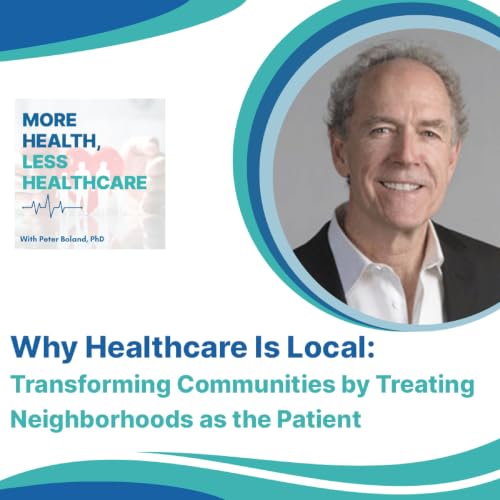 Aug 19 202617 min
Impossibile aggiungere al carrello
Puoi avere soltanto 50 titoli nel carrello per il checkout.Riprova più tardiRiprova più tardiRimozione dalla Lista desideri non riuscita.
Riprova più tardiNon è stato possibile aggiungere il titolo alla Libreria
Per favore riprovaNon è stato possibile seguire il Podcast
Per favore riprovaEsecuzione del comando Non seguire più non riuscita