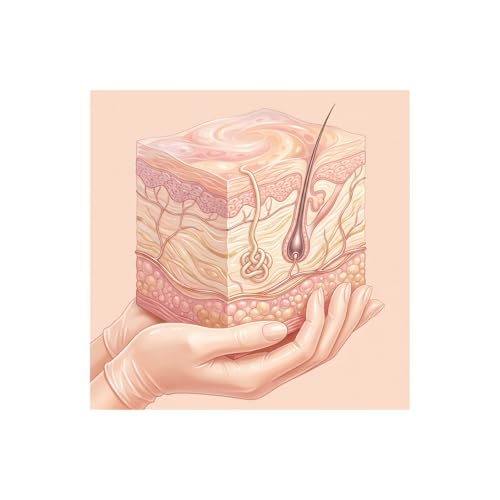
Comprehensive knowledge of skin structure, disorders, and diseases represents one of the most valuable assets in a nail technician's professional toolkit. Far from being merely "nice to know," this understanding is absolutely essential for safe practice, legal compliance, and professional excellence. Every service you provide brings you into intimate contact with clients' skin—the ability to assess skin health, recognize contraindications, and identify when medical referral is necessary distinguishes competent professionals from those potentially practicing beyond their scope or endangering client wellbeing.
Skin knowledge serves multiple critical functions in professional practice. First, it enables you to identify contraindications—conditions that make services inadvisable or require modification to prevent harm or disease spread. Recognizing signs of fungal, bacterial, or viral infections protects you, your clients, and your reputation from liability. Second, understanding normal skin variations versus pathological conditions prevents unnecessary service refusal while ensuring appropriate caution when warranted. Third, this knowledge allows professional communication with clients and healthcare providers—using correct terminology builds credibility and facilitates collaborative care. Fourth, skin literacy enables you to educate clients about home care, product selection, and the connection between systemic health and skin appearance.
Moreover, in an industry increasingly focused on wellness and holistic health, clients expect service providers to possess sophisticated knowledge extending beyond basic technique. When you can knowledgeably discuss skin types, aging processes, inflammatory conditions, and dermatological concerns, you establish yourself as a true professional rather than merely a technician. This expertise opens opportunities for specialization, allows you to serve diverse populations including clients with medical conditions, and positions you as a trusted advisor in your clients' overall skincare strategy. Given that skin conditions are among the most common reasons for liability claims, malpractice issues, and license discipline, this knowledge also provides essential career protection. Investing in dermatological education pays dividends throughout your entire professional life.


 Jan 11 202637 min
 Jan 10 202639 min
 41 min
 28 min