


Kookie Podcast International
Impossibile aggiungere al carrello
Rimozione dalla Lista desideri non riuscita.
Non è stato possibile aggiungere il titolo alla Libreria
Non è stato possibile seguire il Podcast
Esecuzione del comando Non seguire più non riuscita

Kookie Podcast International
-
Letto da:
-
Di:
-
Kookie Learning
A proposito di questo titolo
Kookie Podcast International brings together clinicians, educators and researchers from different countries to explore how we think about practice, how we teach it, and how our professions evolve, particularly within manual therapy and osteopathy.
The conversations are grounded in real clinical and educational experience. They aim to move beyond sterile or polarised debates. Rather than showcasing expertise for its own sake, the podcast focuses on clarification: slowing things down, questioning assumptions, reformulating ideas, and making complex concepts understandable, concrete and usable in practice.
Hosted by Marco Gabutti, osteopath and educator, the podcast adopts a direct but respectful tone. Questions are intentionally simple, sometimes deliberately naïve, in order to reflect the perspective of the listener and help guests articulate their thinking clearly. When necessary, concepts are revisited, assumptions examined, and analogies from other fields used to open new perspectives.
The podcast is recorded in English and is aimed at an international professional audience, including native English speakers. Guests are invited not only for their expertise, but also for their ability to engage in a fluent and comfortable spoken exchange.
Kookie Podcast International is for practitioners and educators interested in manual therapy, musculoskeletal care and professional education — and who value thoughtful conversation over dogma, clarity over authority, and dialogue over performance.
Kookie Learning-
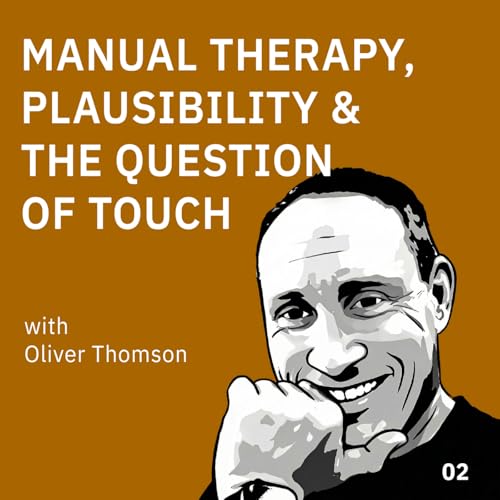 38 min
Impossibile aggiungere al carrello
Puoi avere soltanto 50 titoli nel carrello per il checkout.Riprova più tardiRiprova più tardiRimozione dalla Lista desideri non riuscita.
Riprova più tardiNon è stato possibile aggiungere il titolo alla Libreria
Per favore riprovaNon è stato possibile seguire il Podcast
Per favore riprovaEsecuzione del comando Non seguire più non riuscita
-
 43 min
Impossibile aggiungere al carrello
Puoi avere soltanto 50 titoli nel carrello per il checkout.Riprova più tardiRiprova più tardiRimozione dalla Lista desideri non riuscita.
Riprova più tardiNon è stato possibile aggiungere il titolo alla Libreria
Per favore riprovaNon è stato possibile seguire il Podcast
Per favore riprovaEsecuzione del comando Non seguire più non riuscita