

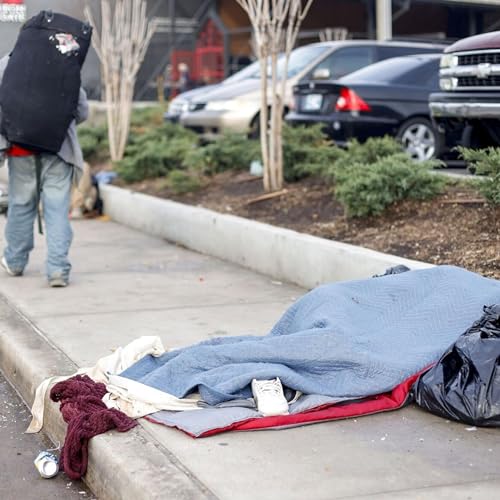
How can we help the homeless, including mental health treatment
Impossibile aggiungere al carrello
Rimozione dalla Lista desideri non riuscita.
Non è stato possibile aggiungere il titolo alla Libreria
Non è stato possibile seguire il Podcast
Esecuzione del comando Non seguire più non riuscita

How can we help the homeless, including mental health treatment
-
Letto da:
-
Di:
A proposito di questo titolo
One of the most common predictors of resisting mental health treatment is anosognosia, which is a lack of awareness of being mentally ill. Mike Brose is the former executive director of the Mental Health Association Oklahoma, adjunct university instructor and practicing licensed clinical social worker. He is a member of the Tulsa World Community Advisory Board. He speaks with Ginnie Graham about how Tulsa can help the homeless population, including those who who suffer from mental illness.
Related
Opinion column by Mike Brose: Doing the same thing over and again to reach Tulsa's most vulnerable homeless people a failing approach
Opinion column by Mike Brose: Steps to making progress to end Tulsa homelessness
Survey finds Tulsans open to other approaches to address homelessness, nonprofit says
Ginnie Graham: Grand Mental Health entering Tulsa's mental health services landscape
Opinion: Access to mental health services 24/7 key to having successful outcomes
Lawmakers asked to reform Oklahoma's eviction process
In 10 years serving Tulsa's homeless, City Lights finds 'everybody has something to give'
City seeks operator for proposed homeless shelter, case management program
Click here to submit a letter to the editor
Contact us
Editorial Editor Ginnie Graham: Email | Twitter | Follow her stories
Subscribe to this podcast at: Apple | Google | Spotify
Support the show: https://tulsaworld.com/
See omnystudio.com/listener for privacy information.