• Herbalism for Kids: A Hands-On Way to Learn Science, History, Math & More
    Oct 15 2026

    What if your child could learn math by making herbal remedies, explore history through the plants people used centuries ago, and build vocabulary by discovering the meaning behind a plant’s name?

    In this episode of the Grace Rooted Wellness Podcast, I’m joined by Camila Johnson, a homeschool mom, educator with a master’s degree in education, founder of the Eden Institute, and creator of Eden’s Table, a K–12 herbalism curriculum.

    We talk about why learning about herbs can be so much more than memorizing plant names or studying the parts of a flower. When children explore the plants around them, they can discover how science, math, history, geography, and vocabulary connect to real life.

    We explore:

    Making school subjects come alive: How one herb, like lavender, can lead to lessons in Latin, history, geography, climate, science, and more.

    • Learning that sticks: Why stories, smells, tastes, hands-on activities, and simple rhymes can help children remember what they learn.
    • Teaching what you don’t know: How parents can explore herbalism with their children without needing to be experts first.
    • A biblical foundation for herbalism: How Camila brings plant science, stewardship, and faith together in a curriculum designed for Christian families.
    • A growing foundation in herbal medicine: How children can progress from exploring plants with their senses to learning more advanced herbal concepts as they get older.

    You don’t have to know everything to teach your children something valuable. Sometimes, the best way to learn is to pull up a chair, open a book, and discover something together.

    Explore Camila’s work:

    • Website (Use code MISSY10 for 10% off anything!): https://edeninstitute.health/homeschool?utm_source=podcast_grace_rooted_wellness&utm_medium=show_notes&utm_content=website
    • Free week of the curriculum: https://edeninstitute.health/freebies?utm_source=podcast_grace_rooted_wellness&utm_medium=show_notes&utm_content=freebies
    • Instagram: https://www.instagram.com/edenstablehomeschoolcurriculum/
    • Facebook: https://www.facebook.com/EdensTableHomeschoolCurriculum
    • Pinterest: https://www.pinterest.com/TheEdenInstituteBoards
    Mostra di più Mostra meno
    24 min
  • When Your Body Is Trying to Tell You Something: The Thyroid & Your Voice
    Aug 14 2026

    What if the exhaustion, brain fog, feeling cold, weight changes, constipation, or hair loss you've been experiencing aren't random symptoms—but your body's way of trying to get your attention?

    In this episode, we're taking a closer look at the thyroid, especially hypothyroidism, and why supporting thyroid health is about much more than looking at one lab value or simply taking a thyroid hormone.

    We'll break down the relationship between the brain, thyroid, liver, gut, stress hormones, blood sugar, and sex hormones using a simple “thermostat and heater” analogy. We'll also talk about why TSH doesn't always tell the whole story, the importance of T4-to-T3 conversion, and some of the nutritional and lifestyle foundations that support healthy thyroid function.

    We'll explore Hashimoto's and the gut-thyroid connection, discuss herbs and nutrients commonly used to support thyroid health, and talk about why working with a practitioner is especially important if you're taking thyroid medication or have an autoimmune condition.

    And we'll take a different kind of look at the thyroid, too.

    The thyroid sits at the base of your throat—right where your voice lives. We'll explore the question of whether there might be something in your life that you're struggling to say, ask for, or express, while keeping that conversation grounded in the physical realities of thyroid health.

    In this episode, we'll talk about:

    • What the thyroid actually does and why it affects so many systems
    • The “thermostat and heater” analogy for understanding thyroid function
    • Common signs and symptoms of hypothyroidism
    • TSH, T4, T3, free T3, free T4, and reverse T3
    • Why T4-to-T3 conversion matters
    • The roles of the liver and gut in thyroid hormone conversion
    • Stress, blood sugar, inflammation, nutrient deficiencies, and toxin exposure
    • The connection between thyroid and sex hormones
    • The cell danger response and energy conservation
    • Hashimoto's and the gut-thyroid connection
    • Herbs traditionally used to support thyroid function
    • Key nutrients including selenium, iodine, zinc, iron, tyrosine, vitamin D, and B vitamins
    • Lifestyle foundations for supporting healthy thyroid function
    • The connection between the thyroid, the throat, and self-expression
    • Why “normal” labs don't necessarily mean you feel normal

    A reminder

    This episode is for education and does not replace individualized medical care. If you take thyroid medication or have Hashimoto's or another thyroid condition, work with your healthcare provider before making changes to medication, herbs, or supplements.

    The bigger message

    Your thyroid isn't a single dial with a single fix. It's part of a conversation between your brain, thyroid, liver, gut, stress hormones, sex hormones, nutrients, and environment.

    And sometimes your symptoms are your body's way of asking you to listen.

    If you're ready to look beyond the symptom and explore what your body may be trying to tell you, learn more about working with a Christian Clinical Herbalist at gracerootedherbalist.com.

    If this episode helped connect some dots for you, share it with someone who needs to hear it.

    Mostra di più Mostra meno
    30 min
  • Hulk Smash - A Caveman's Guide to Hard Times
    Jul 1 2026

    What do comic books, wild plants, and the Great Depression have in common?

    More than you might think.

    In this episode, I sit down with herbalist, forager, educator, and author Mark "Merriwether" Vorderbruggen known to many as the "modern caveman." We begin by talking about edible and medicinal plants, but the conversation quickly becomes something much deeper.

    Mark shares how growing up with parents who lived through the Great Depression shaped his understanding of resilience and why he believes reconnecting with nature is one of the most important things we can do for our health and well-being.

    He also opens up about one of the hardest seasons of his life—losing a business partner, financial uncertainty, and wondering whether he could continue the work he feels called to do.

    Through it all, one simple phrase keeps him moving forward:

    Hulk Smash.

    It's funny, but it's also a surprisingly powerful reminder that sometimes the only way through hardship is to keep putting one foot in front of the other.

    In this episode, we discuss:

    • How the Great Depression influenced a generation's relationship with wild food
    • Why Mark believes modern people suffer from being disconnected from nature
    • What it really takes to make a living teaching foraging
    • The emotional toll of losing a business and starting over
    • Why "Hulk Smash" has become Mark's personal philosophy during difficult seasons
    • The importance of friends, community, and having a "third place"
    • How climate and land access are changing the future of foraging
    • Practical advice for anyone who wants to begin learning the plants growing around them

    Whether you're interested in herbalism, foraging, self-reliance, or simply need encouragement to keep going through a difficult season, I think you'll find something valuable in this conversation.

    Resources Mentioned

    • Foraging by Mark Merriwether Vorderbruggen
    • Foraging Texas
    • Village Healer Initiative

    If this episode encouraged you, I'd love for you to subscribe, leave a review, and share it with someone who could use a reminder that hope, purpose, and sometimes even medicine can still be found growing right outside the door.

    Mostra di più Mostra meno
    33 min
  • Why You're Always Cold, Tired, Anxious, and Overwhelmed
    Jun 24 2026

    Do you have cold hands and feet no matter the weather? Struggle with anxiety, insomnia, constipation, or feeling like your mind is always moving in a dozen directions at once? Are you creative, adventurous, full of ideas—and sometimes completely overwhelmed by them?

    In this episode, we're diving deep into the Ayurvedic concept of Vata, the constitution associated with the elements of air and ether. Vata relates to movement in the body and mind, influencing everything from digestion and sleep to creativity, energy levels, emotions, and nervous system function.

    You'll learn how to recognize a Vata constitution, understand the signs of Vata imbalance, and discover practical ways to bring your body back into balance through food, lifestyle, herbs, and daily routines.

    We'll discuss:

    • Physical characteristics commonly associated with Vata types

    • Why Vata individuals often experience coldness, dryness, constipation, bloating, and irregular digestion

    • The connection between Vata and anxiety, overwhelm, fear, insomnia, and difficulty focusing

    • How travel, stress, sensory overload, skipped meals, and lack of routine can aggravate Vata

    • The powerful role of warmth, nourishment, routine, and serenity in restoring balance

    • Best foods for Vata, including bone broth, soups, stews, healthy fats, warming spices, sweet potatoes, squash, and coconut

    • Foods and habits that can worsen Vata imbalance

    • Traditional herbs used to support Vata, including ashwagandha, shatavari, tulsi, ginger, cardamom, fennel, triphala, slippery elm, oatstraw, and more

    • A nourishing flax and chia breakfast recipe designed to support Vata balance

    • A traditional herbal massage oil recipe to calm the nervous system and encourage grounding

    Whether you're exploring Ayurveda for the first time or looking for natural ways to support stress resilience, digestion, sleep, and nervous system health, this episode offers practical insights you can begin applying today.

    As always, we'll approach these ancient concepts through the lens of holistic wellness, helping you understand how your unique constitution influences your health and how small, consistent changes can create lasting balance.

    If you've ever felt scattered, depleted, overstimulated, exhausted-but-wired, or unable to slow your mind down, this episode may help you understand why.

    Keywords: Vata constitution, Ayurvedic body types, Vata imbalance, Ayurveda for beginners, anxiety and Ayurveda, natural remedies for anxiety, nervous system support, Ayurvedic herbs, digestion and Ayurveda, constipation remedies, insomnia natural support, ashwagandha benefits, shatavari, tulsi, Ayurvedic nutrition, grounding practices, holistic health, herbal medicine, wellness podcast, digestive health, stress management, natural healing.

    Mostra di più Mostra meno
    29 min
  • Bee Balm's Charm: Kills Bugs, Calms Guts, and Soothes Alarm
    Jun 8 2026

    What makes bee balm one of the most versatile herbs in the herbalist's toolkit? In this episode, we're exploring the remarkable medicinal uses of bee balm (Monarda species), a plant that grows abundantly across East Texas and has earned a permanent place in my apothecary.

    To help remember its key actions, you'll learn a simple rhyme:

    "What's bee balm's charm? Kills bugs, calms guts, and soothes alarm."

    Using stories from my own practice and family experiences, we'll unpack what those three actions really mean and why this humble wildflower continues to impress me year after year.

    In this episode, you'll learn:

    • How to identify Monarda punctata, also known as spotted horsemint • The differences between Monarda punctata, Monarda fistulosa, and Monarda didyma • Why some herbalists prefer the "buttery" leaves of fistulosa while others value the stronger aromatic qualities of punctata • The role of thymol and why bee balm is considered such a powerful antimicrobial herb

    Kills Bugs

    We explore bee balm's traditional and modern applications for:

    • Sinus infections and nasal congestion • Respiratory infections • Chest congestion and steam inhalations • Sore throats • Urinary tract infections • Yeast overgrowth • Minor skin infections • Bee stings, wasp stings, and insect bites • Sunburns and inflammatory skin conditions

    We'll talk bee balm nasal sprays, steam treatments, infused honey, and a memorable experience using bee balm baths to comfort a congested infant.

    Calms Guts

    Bee balm's digestive uses may surprise you.

    We discuss:

    • Gas and bloating • Diarrhea associated with pathogens • Microbial imbalances in the digestive tract • Small intestinal bacterial overgrowth (SIBO) • Traditional use for infant colic • Historical references to the herb as the "baby saver plant"

    I also share my personal experience working with bee balm during a stubborn H. pylori-related ulcer and why the herb's unusual flavor seemed to become more tolerable when it was exactly what my body needed.

    Soothes Alarm

    One of bee balm's most fascinating actions may be its effect on the nervous system.

    We discuss:

    • How bee balm differs from more emotionally focused nervines • Physical nerve overstimulation • Feeling frazzled, overstimulated, or "hair standing on end" • Anxiety, insomnia, and nervous exhaustion • Traditional use for vertigo, tinnitus, and Meniere's disease • Matthew Wood's observation that bee balm acts deeply on the nerves • The relationship between thymol, circulation, and cranial nerve support

    You'll also hear a personal story about a perforated eardrum and how bee balm became an unexpected ally during recovery.

    Additional Topics Covered

    • Traditional Native American uses • Wildcrafting and harvesting considerations • Tea preparation and dosage guidelines • Tincture dosage recommendations • Safety considerations during pregnancy • Potential interactions with valerian

    Key Takeaway

    If you remember one thing from this episode, remember the rhyme:

    "What's bee balm's charm? Kills bugs, calms guts, and soothes alarm."

    Whether you're dealing with microbes, digestive discomfort, or a nervous system that feels like it's buzzing with overstimulation, bee balm is an herb worth getting to know.

    Resources Mentioned

    • Matthew Wood's writings on Monarda • The Herbarium dosage • Research on thymol & antimicrobial activity • Traditional ethnobotanical uses of bee balm

    Interested in personalized herbal support?

    I offer one-on-one herbal consultations designed to help you create a wellness plan tailored to your unique needs.

    Learn more at Grace Rooted Herbalist: www.gracerootedherbalist.com

    Mostra di più Mostra meno
    22 min
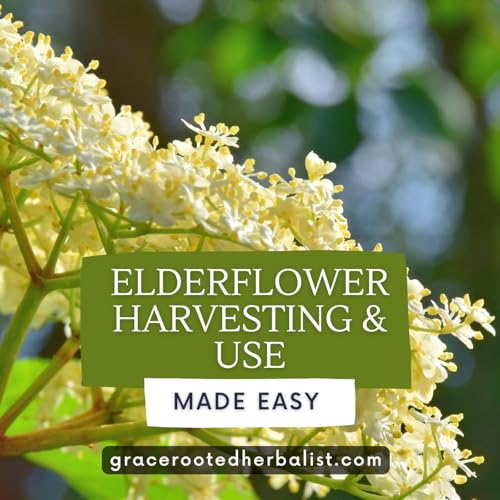
  • Elderflower Harvesting and Use Made Easy
    May 25 2026

    Elderflower is in bloom across East Texas! Let's talk about what you can use it for, where to find it, how to harvest it and preparations that will have it ready to use when you need it. This episode answers questions like:

    • What's the difference between elderflower and elderberry?
    • Can I harvest plants from Texas state parks?
    • Do I wash elderflower before using?
    • What can I do with elderflower besides make tea?

    And much more.

    Mostra di più Mostra meno
    14 min
  • Harvest Self Heal Now! Plus Uses
    Apr 23 2026

    I once made the mistake of underestimating this little plant, but I don't any more! Self heal, Prunella vulgaris might be the something extra your medicinal herb regimen has been waiting for, and it's blooming now across East Texas. This episode covers:

    Identifying self heal

    Historic/traditional use

    Current medical research around autoimmune issues and cardiovascular inflammation

    How herbs can also be medicine for the soul

    Where to buy seeds

    How self-heal is used as food

    Why you might benefit from visiting gracerootedherbalist.com

    Mostra di più Mostra meno
    17 min
  • High Blood Pressure & Herbs: What Actually Works (and What Matters More)
    Mar 17 2026

    In this episode, we take an in-depth look at high blood pressure—what it is, why it matters, and what you can actually do about it.

    After a personal experience with cardiovascular crisis, this topic became more than theoretical—it became urgent. We break down how blood pressure works, why inflammation is such a major driver, and how diet, movement, sleep, and stress all play a role in long-term heart health. Because the truth is, there usually isn’t just one fix—and it’s not always as simple as taking a pill.

    🌿 At 12:11, we dive into herbs traditionally used to support healthy blood pressure, including:

    • Hawthorn for whole-system cardiovascular support
    • Garlic for circulation and arterial health
    • Hibiscus for gentle, research-backed reductions
    • Dandelion root for fluid balance
    • Motherwort and linden for stress-related hypertension
    • And when (and when not) to consider cayenne

    You’ll also hear why one size does NOT fit all in herbal medicine—and how your unique constitution matters when choosing the right approach.

    Whether you’re exploring natural support, navigating a diagnosis, or simply wanting to better understand your body, this episode gives you a grounded starting point.

    ⚠️ Disclaimer

    This podcast is for educational purposes only and is not intended as medical advice. Always consult with your physician or a qualified healthcare provider before making any changes to your medications, diet, or health routine—especially if you have a medical condition or are taking prescription medications.

    Mostra di più Mostra meno
    30 min