In-Sites from SCI copertina

In-Sites from SCI

In-Sites from SCI

Di: Dom Burch
Ascolta gratuitamente

3 mesi a soli 0,99 €/mese

Dopo 3 mesi, 9,99 €/mese. Si applicano termini e condizioni.

A proposito di questo titolo

The In-Sites podcast from SCI, sheds light on the evolving landscape of compliance, certification, and supply chains. Host Dom Burch speaks to thought-leaders and experts in the field about the changing world of compliance, and how technology, data and insight is allowing innovative companies to improve their impact on the planet, drive up standards. What does it take to meet the needs of demanding customers and keep one step ahead of regulations. Tune in to find out.

© 2025 In-Sites from SCI
Economia Gestione e leadership Management
  • River Health & Responsible Farming - with Duncan Parkinson, Agriculture Client Manager at SCI
    Nov 4 2025

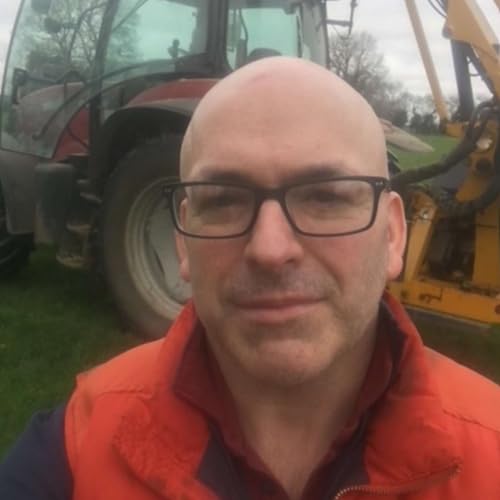
    On this episode of the SCI Podcast, host Dom Burch speaks with Duncan Parkinson, Agriculture Client Manager at SCI and lifelong farmer. Duncan shares his experience across arable, dairy, beef, lamb, pigs and his background in quality assurance. As both a farmer and assessor, he emphasises empathy, practical knowledge, and continual improvement on farms .

    🌊 What’s happening in UK rivers?

    Duncan explains increasing public and regulatory scrutiny on river pollution — especially in areas like the River Wye where intensive poultry farming and population pressures meet ageing water infrastructure .

    Key causes:

    • Water companies: ageing sewage systems, extreme weather, overcapacity
    • Agriculture: not deliberate pollution, but diffuse runoff from manure, soil and nutrients during heavy rain

    Nutrients like phosphate and nitrogen fuel algae growth, reducing oxygen and harming river ecosystems (eutrophication) .

    What does good practice look like?

    Farmers should follow basic agricultural rules:

    • Soil health monitoring
    • Manure and fertiliser planning & storage
    • Nutrient management plans (e.g. AHDB RB209)
    • Right input, right time, right amount
    • Equipment maintenance & weather-aware spreading decisions

    Many farms use FACTS-qualified advisors for nutrient planning, and water companies offer support grants for pollution control and infrastructure upgrades .

    🛡️ Role of assurance

    Rules exist, but enforcement is often reactive. Duncan helped create a proactive assurance scheme aligned to Farming Rules for Water, giving farmers and brands independent evidence of compliance and improvement .

    This protects:

    • Farm reputation
    • Retail and brand supply chains
    • Consumer trust
    “You can’t just blame water companies — agriculture must be able to stand behind what it's doing.”


    ⚠️ Reputational risk rising

    Public expectations and legal pressure are increasing. Cheap food expectations clash with demands for sustainability — retailers and integrators are expected to know their supply base and demonstrate environmental responsibility .

    🚀 Innovation & future solutions

    Promising developments discussed:

    • Pelletising manure for transport & use in arable regions
    • Biochar production from poultry litter
    • Technology to remove phosphate from manures
    • Better slurry handling and application systems
    • More mixed-farming models to recycle nutrients locally

    🧠 Key Takeaway

    Protecting rivers is not just about compliance — it’s about future-proofing farming, safeguarding brand reputation, and staying ahead of regulatory and public expectations.

    Get in touch

    Mostra di più Mostra meno
    35 min
  • Beyond the Label: Shaun Kokott on Food Facts, Myths, and Common Sense Eating
    Aug 11 2025

    In this episode of the Supply Chain Insights podcast, Dom Burch sits down with Shaun Kokott, Head of Retail & Supply Chain at SCI, to explore the facts, myths, and shifting narratives around what we eat. With decades of experience in food safety, quality assurance, and regulatory compliance, Shaun is known for demystifying complex industry topics — from food labelling to nutritional science — and bringing common sense back into the conversation.

    Shaun shares the story behind his viral LinkedIn post, I Was a Tartrazine Kid, recalling the days when industry insiders relied on physical reference books like E for Additives to decode E numbers. He explains that E numbers themselves aren’t inherently bad — they’re simply a European classification for approved additives — but stresses the importance of transparency so consumers know exactly what they’re buying.

    The conversation moves into sugar and sweeteners, where Shaun highlights how misleading claims like “no added sugar” can mask the presence of natural sugars or alternative sweeteners. He urges consumers to read labels critically and understand that “too much of a good thing” — even fruit — can have negative effects.

    Drawing on history, Shaun reflects on how selective research, like Ancel Keys’ famous Seven Countries Study, shaped decades of dietary advice around cholesterol and fat. He shares his own experience of lowering cholesterol by moving away from low-fat, highly processed foods and embracing whole, high-fat foods like eggs, full-fat yoghurt, and quality meats. His message: be curious, question received wisdom, and use moderation rather than fear to guide food choices.

    On misinformation, Shaun advises consumers to look beyond marketing claims — for example, asking what replaces fat in “0% fat” products — and to be aware that replacing one nutrient often means adding another, which may not be healthier.

    Looking ahead, he sees growth in “functional foods” that offer tangible health benefits, such as kefir for gut health. He notes encouraging signs that both consumers and the industry are moving back toward cooking from scratch, while still valuing convenience through meal kits and healthier quick-service options.

    Shaun also weighs in on trends like high-protein snacks and even protein sodas, warning that protein quality matters as much as quantity. For gym-goers and health-conscious consumers, he recommends focusing on whole food sources over heavily processed bars and drinks.

    The episode closes with a reminder that while innovation has its place, there’s much to learn from looking back — whether it’s traditional diets, basic nutrition, or simple, balanced meals. In a world of fortified snacks and functional beverages, sometimes the best choice is still the simplest: whole, minimally processed food.

    Get in touch

    Mostra di più Mostra meno
    24 min
  • Innovation Isn't the Hard Part – It's Adoption, with Trista Li, Head of Innovation at SCI
    Jun 10 2025

    In this thought-provoking episode, host Dom Burch speaks with Trista Li, SCI’s Head of Innovation, about the human-first challenges of ESG, sustainability, and supply chain transformation. From grassroots food distribution in underserved Chicago communities to cutting-edge AI adoption in manufacturing, Trista shares her fascinating journey and what it taught her about solving real-world problems.

    Together, Dom and Trista explore:

    • Why adoption, not technology, is often the biggest hurdle in ESG transformation.
    • How peer-to-peer learning is emerging as a key lever in supply chain innovation.
    • The importance of designing ESG systems with farmers, not just for them.
    • How Trista's background in AI and computer vision is influencing SCI’s approach to low-carbon agriculture and compliance.
    • The insights coming out of SCI’s rice project in Thailand—and what 32 different fertilisers can teach us about shared best practice.

    Plus, Trista reveals the three technology areas she’s most excited about:

    1. On-farm AI and surveillance tech for real-time insight.
    2. Biotech and seed innovation that reduce emissions at the source.
    3. Operational innovation to scale ESG outcomes across supply chains.

    Key Themes:

    • ESG strategy & Scope 3 emissions
    • Human-centred innovation
    • Technology adoption curves
    • Smallholder farmer engagement
    • Peer-to-peer learning in agriculture
    • AI, machine learning & supply chains
    • Behaviour change & ROI in sustainability

    Quotable Moment:

    “Technology is not the reason you have a business—it’s there to facilitate the thing you do best.” – Trista Li


    Resources & Mentions:

    • SCI's rice farming pilot in Thailand
    • "Crossing the Chasm" by Geoffrey Moore
    • Peer-to-peer learning models
    • Applications of computer vision in agriculture
    • ESG frameworks (Scope 3, carbon footprint, deforestation)

    Follow & Subscribe:
    If you’re working on ESG, adoption, sustainability, or supply chain transformation, this episode is for you.

    Subscribe to SCI In-Sites wherever you get your podcasts—and share your thoughts with us on LinkedIn.

    Get in touch

    Mostra di più Mostra meno
    38 min
Ancora nessuna recensione