

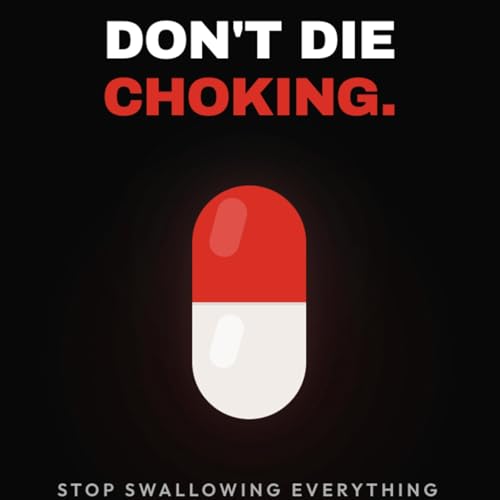
Breakfast Is NOT the Most Important Meal
Impossibile aggiungere al carrello
Puoi avere soltanto 50 titoli nel carrello per il checkout.
Riprova più tardi
Riprova più tardi
Rimozione dalla Lista desideri non riuscita.
Riprova più tardi
Non è stato possibile aggiungere il titolo alla Libreria
Per favore riprova
Non è stato possibile seguire il Podcast
Per favore riprova
Esecuzione del comando Non seguire più non riuscita

Breakfast Is NOT the Most Important Meal
-
Letto da:
-
Di:
A proposito di questo titolo
How cereal companies funded the research that shaped your morning routine for decades.
Sources & References
- "Breakfast is the most important meal" origin — 1944 Grape-Nuts campaign: General Foods "Eat a Good Breakfast — Do a Better Job" campaign. Documented in The Atlantic, Priceonomics, and multiple food history sources.
- John Harvey Kellogg / anti-masturbation cereal: Widely documented in Kellogg biographies and food history — Heather Arndt Anderson, "Breakfast: A History" (2013); Abigail Carroll, "The Invention of the American Meal."
- No evidence breakfast promotes weight loss — BMJ 2019 meta-analysis: Sievert K, Hussain SM, Page MJ, et al. "Effect of breakfast on weight and energy intake: systematic review and meta-analysis of randomised controlled trials." BMJ 2019;364:l42. Monash University, Melbourne.
- +260 calories/day for breakfast eaters: BMJ 2019 meta-analysis (above). Mean difference 259.79 kcal/day (95% CI 78.87 to 440.71).
- Breakfast skippers weighed ~1 lb less: BMJ 2019 meta-analysis (above). Mean difference 0.44 kg (95% CI 0.07 to 0.82).
- Dr. Flavia Cicuttini quote ("never made sense"): Nature Reviews Endocrinology, February 2019. Commentary on the BMJ meta-analysis.
- Tim Spector editorial on individual preferences: Linked BMJ editorial accompanying the 2019 meta-analysis.
- Kellogg-funded breakfast research: Vox investigation into breakfast research funding. Marion Nestle, Food Politics (NYU). Multiple documented instances of Kellogg-funded observational studies concluding breakfast aids weight management.
- General Mills / Kellogg cereal study — "interpretation bias": Marion Nestle, Food Politics — analysis of Bell Institute-funded cereal study with favorable spin on neutral results.
- Kellogg Breakfast Council ($13,000/year, contract terms): Associated Press investigation (2016), reported by STAT News. Dietitians paid, prohibited from working with competitors, required social media promotion.
- Kellogg Breakfast Council academic paper — edited by Kellogg employee: AP investigation (2016). Employee asked for removal of line about sugar limits being "too high."
- Kellogg lobbying USDA / FDA: Multiple reporting sources including My Health Forward, STAT News, and industry disclosures.
- Kellogg's lost UK court case: R (Kellogg Marketing and Sales Company) v Department of Health and Social Care. High Court ruled against Kellogg's challenge to food promotion restrictions. SPECTRUM Consortium analysis, 2022.
- Honey Smacks — 56% sugar by weight, more than a Twinkie: Environmental Working Group analysis of 84 children's cereals. Kellogg's Honey Smacks: 20g sugar vs. Twinkie: 18g sugar per serving.
- 44 children's cereals have more sugar than 3 Chips Ahoy cookies: EWG analysis (above).
- 10 lbs of sugar per year from daily cereal: EWG analysis of 1,556 cereals (2014). Based on actual serving sizes, not manufacturer-listed portions.
- Breakfast cereals = 5th highest source of added sugar in children under 8: EWG citing Reedy and Krebs-Smith 2010; Slining and Popkin 2013.
- Breakfast history (Romans, Native Americans, medieval Europe): Abigail Carroll, "The Invention of the American Meal"; Heather Arndt Anderson, "Breakfast: A History"; Caroline Yeldham (food historian).
- Global breakfast cereal market (~$58B+): Market research estimates, 2024–2025.
- Kellogg's $1.4B profit: Kellogg Company financial reports, 2019.
Ancora nessuna recensione