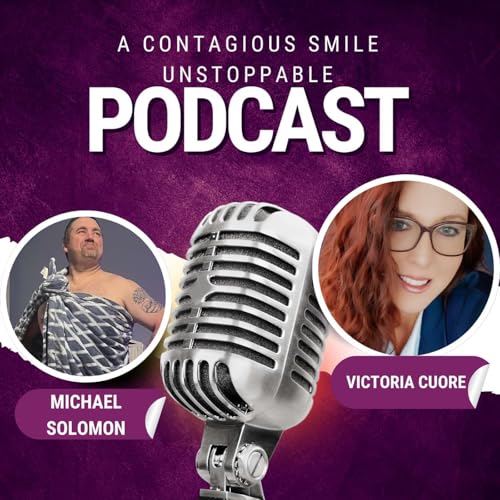
Episodi

  • BRAND NEW PODCAST SOMEBODY HAS TO SAY IT WITH VICTORIA CUORE AND MIKE MACKNIAK
    Jul 9 2026

    Send us Fan Mail

    Electronic medical records were supposed to make healthcare simpler. Instead, we’re watching patients get buried under repeated intake forms, duplicated medication lists, and “pre-check” paperwork that seems to disappear the moment you walk through the door. We say what a lot of people are thinking: if the chart is electronic, why are we answering the same questions at every visit, sometimes while we’re in pain, dizzy, or just trying to get basic care?

    Michael Macnack and Victoria Cure dig into what this does to trust and safety, from the everyday frustration of MyChart-style portals that do not talk to each other, to the bigger issues of HIPAA, privacy, and accountability. Victoria shares a raw, specific post-surgery experience that raises tough questions about allergy documentation and surgical timeouts. We also debate pain management head-on: when “just take the meds” helps healing, when it can create risk, and why personal history, trauma, and caregiving responsibilities change the decision completely. Along the way, we get practical about patient advocacy, including what you can ask for in the ER and how to push for clearer answers without getting brushed off.

    Then the conversation takes a hard turn into the online world, where a cyberbullying tragedy ends in a lawsuit that feels upside down, and we ask what accountability should look like when harm spreads through social media. If any of this has ever made you want to scream in your car, you’re in the right place. Subscribe, share this with a friend who’s fed up with the system, and leave a review so more people can find the show, then tell us what topic you want us to take on next.

    Support the show

    Mostra di più Mostra meno
    49 min
  • When The Likes Fade, The Truth Stays
    Jul 9 2026

    Send us Fan Mail

    A seven-hour surgery is one thing. The days after can be the real test, especially when your body reacts, your pain is off the charts, and you’re trying to get medical people to listen while you’re still healing. We share what spinal surgery recovery looks like in our house, why Victoria refused to use a pain pump, and how a “simple” allergy oversight can turn into swelling, skin reactions, and a scary infection concern that sends you looking for a second set of eyes.

    Then we get into the part nobody likes to admit: support is easy when it’s public. We read a line that stops us cold, “A woman dies, and 300 people react… The funeral is attended by twelve,” and we talk about what it exposed for us during recovery. We unpack the difference between friends who check in because they care and people who only show up when they want something, plus how to set boundaries without letting cold people change who you are.

    The conversation also turns serious as we discuss cyberbullying, teen suicide, and a mother who speaks out and gets sued, raising hard questions about accountability, parenting, and what justice should look like when online cruelty has real-world consequences. We also share a personal win around body dysphoria, scars, and learning to feel safe being seen again, and why we’ll choose peace, love, and laughter over money and appearances every time.

    If this hit home, subscribe, share it with someone who needs it, and leave a review so more people can find the show. What part of the conversation do you want us to go deeper on next?

    Support the show

    Mostra di più Mostra meno
    52 min
  • Mediumship Without The Movie Magic
    Jul 3 2026

    Send us Fan Mail

    Your gut knows things before your brain can explain them, but how do you tell the difference between real intuition and a loud imagination? We sit down with Danielle Ribbon Clumber, an LCSW trauma therapist in Utah and founder of Willow Medella Wellness, and her husband Nganga Mr. Pishu, a medicine man and practitioner, to talk about mediumship as a lived reality: confusing, validating, and sometimes isolating. With Abby jumping in as our guest co-host, the questions are curious, direct, and refreshingly human.

    We dig into the hardest part of being “gifted”, not the spooky moments, but the pressure to hide, second-guess, and feel ashamed because of culture, stigma, or fear of being labelled. Danielle shares how discernment grows through pattern recognition, self-trust, and nervous system regulation, plus why sensing energy in a room can be both ordinary and powerful. Nganga brings vivid haunted house stories, from unexplained footsteps and toys activating on their own to strange lights and experiences that seem tied to the land itself.

    Then we get practical. We debate Ouija boards versus spirit boards, talk about EVP (electronic voice phenomenon), and explain why tools like tarot, pendulums, and boards don’t “do” anything without the user’s energy, boundaries, and integrity. We also explore dream interpretation through a grounded lens: snake dreams, teeth dreams, house dreams, and why nightmares may be your brain trying to solve a problem, not punish you. If you’ve ever wondered whether you’re picking up something real, this conversation offers language, guardrails, and a lot of permission to trust yourself without drifting into fantasy.

    Subscribe for more honest conversations, share this with a friend who loves the paranormal or psychology, and leave a review with the biggest question you still have about intuition or spirit communication.

    Support the show

    Mostra di più Mostra meno
    55 min
  • Surgery, Setbacks, And Self-Advocacy
    Jul 3 2026

    Send us Fan Mail

    One minute we’re hearing, “You can go home,” and the next we’re being warned that leaving in the wrong condition could mean paralysis. That whiplash sets the tone for a raw, honest update from Victoria and Michael after a major spinal surgery that turns into a week of complications, extreme pain, and a crash course in what patient safety really looks like when you’re the one in the bed.

    We talk through the surgery and the aftermath: blood pressure dropping dangerously low, being flooded with monitoring and IVs, and the disbelief of being discharged without basic repositioning that protects skin and supports recovery. Then the plot twists again when the dressings come off and Victoria’s back is visibly, painfully raw in the exact shape of the materials used. The emergency room confirms a severe allergic reaction to medical adhesive and wound products, forcing a new plan with antibiotics, steroids, and topical treatment. If you’ve ever searched “allergic reaction to surgical tape,” “Dermabond irritation,” or “post-op rash,” you’ll recognize how fast this can escalate.

    From there, we zoom out to the bigger issue: patient advocacy. We break down the surgical timeout process, why sedation like Versed can make it harder for patients to protect themselves, and what should happen when allergies are clearly documented. We also share the emotional side people do not warn you about, including who shows up, who disappears, and how to set boundaries when you’re recovering and still being asked to give more.

    If this story hits home, subscribe, share it with someone facing surgery, and leave a review so more patients and caregivers can find these conversations. What’s one question you wish you’d asked before your last procedure?

    Support the show

    Mostra di più Mostra meno
    38 min
  • His First Pedicure Michael's Father's Day
    Jun 22 2026

    Send us Fan Mail

    A Father’s Day pedicure turns into a surprisingly tender milestone when my husband walks in convinced it “isn’t for men” and walks out admitting the hot rocks, paraffin, and toe rubs were the best part of his day. We laugh about gifts that are equal parts love and necessity, like replacing a ruined recliner and an air fryer that became a health hazard, then we pivot into the real wins: cutting sugar, making diabetes-friendly choices, and watching A1C move in the right direction.

    We also talk about body image in a way that isn’t polished or performative. Weight loss can feel amazing and confusing at the same time, and a simple trip to try on clothes becomes a full-body experience when you’re carrying trauma, living with scars, and navigating the physical challenge of changing outfits with one hand. We share what it meant to finally wear something that fits, why a partly unbuttoned shirt can be a huge act of courage, and how a supportive partner can help without pushing too hard.

    From there, the conversation gets blunt about domestic violence and coercive control. We unpack why “just leave” is often impossible when you’re being tracked, isolated, threatened, and terrorised, and we share the lasting impact of psychological abuse on self-worth and safety. With major spine surgery ahead, we also talk about the difficult choice to revisit the memoir “Who Kicked First” together, and why telling the truth still matters years later.

    If you connect with honest stories about trauma healing, body dysmorphia recovery, diabetes progress, and rebuilding a life with real support, subscribe to A Contagious Smile Unstoppable, share this with a friend, and leave a review so more people can find it.

    Support the show

    Mostra di più Mostra meno
    39 min
  • How The Guardian Model Rebuilds Mental Health Care
    Jun 18 2026

    Send us Fan Mail

    The fastest way to break a person isn’t always the illness; it’s the system that treats them like a number and calls it “care.” We sit down with veteran attorney and nonprofit leader Michael Mackniak, a nationally recognized mental health advocate and the founder behind the Guardian Model and the Care Coalition, to talk about what actually changes outcomes for people who are stuck in high-need, high-risk cycles.

    We get specific about care coordination: why the client has to be the captain, how a “bicycle wheel” team falls apart when communication is optional, and why a single, well-built timeline of hospitalizations, medications, crises, and what worked can become the key that unlocks better decisions. Michael also shares the hard math behind the cost of neglect, comparing proactive community-based support with the staggering price of repeated emergency room visits and inpatient psychiatric stays.

    Along the way, we name the everyday failures listeners recognize: two-minute chart reviews, long waits for appointments, electronic medical records that don’t connect across networks, insurance barriers that crush hope, and families who get treated like a burden for speaking up. We end with practical ways to advocate without burning out, plus where to find Michael’s resources at carecoalition.org and his books on Amazon, including “Saving Melissa” and “The Seven C’s to Cure the Mental Health System.”

    If you care about mental health reform, patient-centered care, and real-world healthcare navigation, hit subscribe, share this with someone who needs an ally, and leave a review so more families can find these tools. What’s one moment the system made you feel unheard?

    Support the show

    Mostra di più Mostra meno
    32 min
  • We Cannot Keep Pouring Into People Who Never Pour Back
    Jun 15 2026

    Send us Fan Mail

    Some people call you a friend, then disappear the second you stop being convenient. We get blunt about that kind of fake loyalty and what it does to your trust, your energy, and your peace. From old work “friends” who vanish to the constant drain of being the dependable one, we talk about how to spot the pattern early and set boundaries without turning cold.

    Then we shift to what real love looks like when it’s lived out, not posted. We tell the story of our daughter Faith saving her change, going to the mall, and spending her money on a gift for her mom with layers of meaning, memories, and care. The Build-A-Bear details, the scents, the symbols, the voice message, all of it becomes a reminder that time and thought matter more than status, cars, or the number in a bank account. We also reflect on family traditions like movie nights and why presence is the thing you can never buy back.

    We also go raw on trauma recovery, PTSD, scars, and body dysphoria after abuse. Trying on clothes can feel like a fight with a mirror, especially when old cruelty still echoes years later. Along the way, we share what’s going on at home too: chronic pain, an upcoming surgery, the everyday humor that keeps us grounded, and why we’re building Stronger Than a Mountain while continuing the work behind Contagious Smiles.

    If any part of this hit home, listen, share it with someone who needs it, and leave a review so more people can find the show. What’s one boundary you wish you’d set sooner?

    Support the show

    Mostra di più Mostra meno
    43 min
  • When A Medium Nails The Details with special guests Danniel Worthen Cullumber and Gvnage Mishipeshu
    Jun 14 2026

    Send us Fan Mail

    A stranger says one word that stops us cold: “hands.” Danielle Worthen Columber has never met us, never heard our backstory, and we give her nothing to work with. Then she describes what she’s sensing and I lift my arm and she realises I’m an amputee. That moment sets the tone for a conversation that’s equal parts psychic medium reading, trauma-informed care, and the kind of grief honesty most people avoid.

    Danielle brings her lens as a licensed clinical social worker and trauma therapist who also practices mediumship, and her husband Ganonge Mishapeshu adds his perspective as an intuitive medium grounded in practicality, culture, and lived experience. We talk about how intuitive messages arrive as fragments, why trusting them is hard, and why the delivery matters when someone has a history of abuse, hypervigilance, or deep loss. We also share the story behind my amputation and what it means to mourn a body part that held my daughter through surgeries and held my grandparents’ hands at the end of life.

    You’ll also hear about raising a child with complex medical needs, the resilience it takes to survive repeated ICU crises, and the surprising joy that shows up through pranks, dark humour, and family rituals. We touch on creativity and purpose, what “age 22” might signal for building a bigger future, and why accessibility matters if you want your books, messages, or healing work to reach more people.

    If you’ve ever wondered whether psychic readings can be real, or you’re simply looking for a grounded conversation about grief, trauma recovery, and spiritual healing, press play and stay curious. Subscribe, share this with a friend who needs hope, and leave us a review, then tell us: what would it take for you to believe?

    Support the show

    Mostra di più Mostra meno
    1 ora e 13 min