Episodi

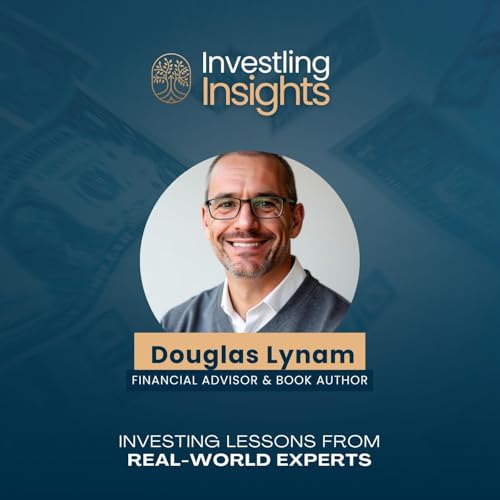
  • Exploring Money Management Through Personality Types with Douglas Lynam
    Jan 22 2026
    In this episode of Investling Insights, host Georg Klausner engages in a deep conversation with Douglas Lynam, a financial expert and author, about the intersection of personality and money management through the lens of the Enneagram. Lynam explains how the Enneagram, a model of nine personality types, can help individuals understand their unique relationship with money, shaped by childhood experiences and coping mechanisms. He emphasizes that each personality type has a core fear that influences financial behaviors, and understanding this can lead to healthier financial habits.The discussion delves into the importance of financial literacy, especially for children and young adults, and how early education can prevent future financial struggles. Lynam shares his personal journey from a monk to a money manager, highlighting the lessons learned about the value of contemplation, responsibility, and the importance of a healthy relationship with money. The episode concludes with practical advice on how to cultivate financial literacy and the significance of understanding one's personality type in managing finances effectively.

    Links to Douglas LynamWebsite: https://www.douglynam.com/ Substack: https://substack.com/@douglynam Facebook: https://www.facebook.com/douglynam/ LinkedIn: https://www.linkedin.com/in/doug-lynam/ Instagram: https://www.instagram.com/douglynam/ YouTube: https://www.youtube.com/@douglynam Takeaways
    • Every personality handles money differently.
    • Understanding your Enneagram type can improve financial habits.
    • Childhood experiences shape our relationship with money.
    • Financial literacy is crucial for young adults.
    • Money is a tool that can be used for good or bad.
    Chapters00:00 Understanding the Enneagram and Money Management04:21 The Role of Childhood in Financial Behavior07:04 Identifying Personal Money Types09:57 The Impact of Shame and Fear on Financial Decisions12:34 Overcoming Financial Trauma and Building Healthy Relationships15:15 The Two Money Monsters: Anxious vs. Avoidant18:07 Teaching Financial Literacy to the Next Generation20:50 Transforming Financial Mindsets and Success Stories25:31 Understanding Corporations and Their Role in Society30:14 Transitioning from Monastic Life to Financial Management31:29 Values Learned from Monastic Life33:13 Becoming a Professional Financial Advisor35:13 The Importance of Financial Literacy36:19 Teaching Financial Literacy to Children38:20 Dispelling Get-Rich-Quick Myths39:59 Lessons from Failure and Personal Responsibility42:22 Daily Habits for Success42:57 Investing in Personal and Financial Health44:51 Advice for Young Professionals46:03 Future Podcast Guests Recommendations
    KeywordsEnneagram, money management, financial literacy, personality types, Douglas Lynam, Investling Insights, financial coaching, personal finance, money mindset

    Disclaimer: This Episode serves for Financial Education only and does not constitute Financial Advice
    Mostra di più Mostra meno
    48 min
  • Monthly Income Generation through Digital Music & Art with Herr Lang
    Jan 19 2026
    In this conversation, Herr Lang shares his journey into music production, discussing the misconceptions of passive income in the music industry. He emphasizes the hard work involved in creating music and building a brand, the importance of marketing and audience engagement, and the strategies for monetizing music effectively. Herr Lang also reflects on the challenges of transitioning from a musician to an entertainer and the significance of consistency in releasing music. He offers valuable advice for aspiring musicians and highlights the importance of investing in oneself and surrounding oneself with the right people.Links to Ben's music & art:

    Spotify
    InstagramTakeaways
    • Passive income in music requires significant upfront work.
    • Creating music is a long-term commitment and learning process.
    • Marketing is essential for reaching and growing an audience.
    • Branding helps in establishing a recognizable identity.
    • Spotify playlists can boost visibility but are not a guaranteed income.
    • Building a back catalog of music can provide steady revenue.
    • Consistency in releasing music is key to maintaining audience engagement.
    • Monetization strategies vary across different platforms.
    • Investing in relationships and community is crucial for success.
    • Starting small and being consistent leads to gradual improvement.
    Chapters00:00 The Journey to Passive Income in Music04:36 Learning the Craft of Music Production07:24 Marketing Music in the Digital Age09:59 Building a Recognizable Brand12:38 The Role of Streaming Platforms15:20 Maintaining Audience Engagement17:39 Navigating Live Performances and Digital Marketing20:38 Monetization Strategies in Music23:10 The Importance of Community and Networking26:03 Learning from Failure and Embracing the Journey28:28 Investing in Music and Personal Growth31:02 Advice for Aspiring Musicians33:37 Conclusion and Future DirectionsKeywordspassive income, music production, digital marketing, branding, Spotify, audience growth, consistency, monetization, investing, personal growth
    Disclaimer: This Episode is for Financial Education purposes only and does not constitute Financial Advice.
    Mostra di più Mostra meno
    37 min
  • The Neuroscience of Financial Habits with Gladys Kali
    Jan 13 2026
    In this engaging conversation, Gladys Kali and Georg Klausner explore the intricate relationship between emotions and investment decisions. They discuss the psychological factors that influence financial choices, the importance of setting clear investment goals, and the impact of social environments on financial mindsets. The dialogue emphasizes the need for financial education, overcoming fear in investing, and the realities of real estate investments. They also touch on the role of social media, effective learning habits, and the significance of failure in achieving success. Finally, they consider the future of investing in the context of AI and the importance of long-term investment strategies.Links:

    Gladys' bookGladys' LinkedIn
    Gladys' WebsiteTakeaways
    • Emotional decisions often lead to poor investment choices.
    • Understanding the subconscious mind is crucial in finance.
    • Defining clear investment goals helps in decision-making.
    • Social environment influences financial beliefs and behaviors.
    • Overcoming fear is essential for successful investing.
    • Real estate investments require thorough research and understanding.
    • Social media can distort perceptions of financial success.
    • Creating effective learning habits is key to financial literacy.
    • Failure is a stepping stone to success in investments.
    • Diversifying income sources is vital for financial stability.
    Chapters00:00 Understanding Emotional Investment Decisions03:33 The Role of Emotions in Financial Decisions05:52 Setting Goals for Investment Success08:33 Overcoming Fear in Investment10:56 Influence of Environment on Financial Mindset13:25 Shifting Mindsets for Better Financial Decisions16:07 The Importance of Financial Education18:26 Real Estate vs. Other Investments20:52 The Changing Landscape of Investment Opportunities23:31 Motivating Yourself to Learn Investing28:48 Planning for Retirement: The Importance of Financial Awareness29:24 Learning Habits: Finding What Works for You34:09 Entrepreneurship: Lessons from Building Businesses37:25 Navigating Uncertainty: The Impact of AI on Jobs39:18 Embracing Failure: Learning from Mistakes45:27 Investing Wisely: The Role of Luck and Knowledge

    Keywordsinvestment, emotional decisions, financial education, investment goals, fear in investing, real estate, social media, learning habits, failure, AI, long-term investments

    Disclaimer: This Podcast Episode serves for Financial Education only and does not constitute Financial Advice.
    Mostra di più Mostra meno
    52 min
  • Coffee Franchise Secrets with Frank Maeda
    Jan 1 2026
    In this conversation, Georg Klausner interviews Frank Maeda, Head of EU Expansion of The Coffee, a Brazilian coffee chain that merges Japanese design and culture with coffee consumption. They discuss the evolution of coffee consumption, the influence of Japanese aesthetics, the franchise model, investment opportunities, and insights into the European real estate market. Frank shares personal experiences, life lessons, and the importance of investing in oneself, while also hinting at future plans for expansion into new markets.

    Takeaways
    • The Coffee was founded in 2018 in Curitiba, Brazil.
    • The company operates in 27 countries and aims to expand to 30.
    • Coffee consumption has evolved through three waves, with the third wave focusing on quality and culture.
    • Japanese design influences the branding and aesthetic of The Coffee.
    • The franchise model allows for local adaptation while maintaining brand integrity.
    • Investing in coffee franchises requires an initial investment of 100k to 250k.
    • The average return on investment for franchisees is around 18 months.
    • Real estate opportunities vary by market and require thorough research.
    • Surrounding oneself with supportive and ambitious people is crucial for success.
    • Failure is a necessary step towards achieving success.
    Chapters00:00 Introduction to The Coffee Company06:47 Interntional Influence on Coffee Culture11:49 European Real Estate Insights36:05 Urban Identity and Logistics40:46 Global Expansion Plans46:04 The Value of International Relations53:08 The Role of Music in Life58:44 Learning from Failure01:04:44 The Best Investments in LifeDisclaimer: This is financial education only, not advice – always consult a professional.
    Mostra di più Mostra meno
    1 ora e 10 min
  • Discover Investment Strategies with Professional Poker Player Anton Wigg
    Dec 25 2025
    SummaryIn this conversation, Anton Wigg shares his journey from a competitive childhood to becoming a professional poker player. He discusses the strategic and psychological aspects of poker, comparing it to chess and trading. The conversation delves into the investment strategies used in poker, the importance of community among players, and the mental fortitude required to succeed in high-stakes environments. Wigg emphasizes the blend of skill and luck in poker and how these elements translate into broader investment philosophies. In this conversation, Anton Wigg shares insights from his experiences in high-stakes poker and entrepreneurship. He discusses the intense nature of the World Series of Poker, emphasizing the importance of nutrition for maintaining peak performance. Anton draws parallels between poker and business, highlighting the lessons learned from observing human behavior in high-pressure situations. He introduces his venture, Apex Intelligent Solutions, aimed at modernizing poker coaching and making the game more accessible. The discussion also touches on the role of AI in enhancing the learning experience, the value of embracing failure, and the importance of personal growth and ownership in one's career.Takeaways
    • Poker is a blend of strategy and chance.
    • Understanding your opponents is crucial in poker.
    • Investment strategies in poker can apply to business.
    • Community plays a significant role in the poker world.
    • Mental fortitude is essential for high performance in poker.
    • The psychological aspect of poker can differentiate amateurs from professionals.
    • Game Theory Optimal strategies can enhance poker play.
    • Risk management is key in both poker and investments.
    • Success in poker often requires adapting to different game structures.
    • Building a network of fellow players can lead to better opportunities. Nutrition is crucial for maintaining high performance in poker.
    • Understanding human behavior in poker can inform business strategies.
    • Apex Intelligent Solutions aims to modernize poker coaching.
    • Personalizing the poker experience is key to attracting new players.
    • AI can enhance the learning process in poker training.
    • Embracing failure can lead to significant personal growth.
    • Investing in oneself yields compounding benefits over time.
    • Taking ownership of decisions is essential for success.
    • The poker community can be revitalized by changing perceptions of the game.
    • Creating a supportive environment encourages more people to engage with poker.
    Chapters00:00 The Journey into Poker06:19 The Psychological Game of Poker11:35 The Evolution of Poker Strategy17:12 Poker and Investment: Lessons Learned24:27 Navigating the Tax Landscape of Poker34:12 The Freedom of Choice in Gambling39:36 The Role of Sponsorship in Poker44:37 Winning Without First Place50:51 High Performance in Poker Tournaments59:48 Lessons from Poker in Business01:08:59 Personalizing the Poker Experience01:16:03 User-Centric Product Development01:26:45 Embracing Change and Growth01:37:24 Advice for New Graduates01:44:24 Recommendations for Future Guests
    DisclaimerThe content provided solely serves as financial education, not as financial advice.Keywordspoker, strategy, luck, psychology, investment, community, performance, mental fortitude, game theory, risk management, World Series of Poker, nutrition, high performance, poker lessons, business, Apex Intelligent Solutions, AI in poker, entrepreneurship, personal growth, coaching
    Mostra di più Mostra meno
    1 ora e 41 min
  • Invest in Your Career – Lifelong Learning with HR Expert Gisela Garcia Salvador
    Dec 18 2025
    SummaryIn this conversation, Gisela emphasizes the importance of taking ownership of one's career and the necessity of setting clear goals. She discusses how personal development involves recognizing skill gaps and the need for continuous learning and improvement.Links
    Gisela's LinkedIn
    Donate: Help Child Foundation Primary School to GrowTakeaways
    • Take ownership. Your career is not about luck.
    • Having a goal without a plan is just a dream.
    • You have to start by knowing where you want to go.
    • Identify where are the gaps in your skills.
    • We don't take jobs that we have 100% of the skills.
    • There's always a gap for improvement.
    • Career growth requires a plan and direction.
    • Continuous learning is essential for professional development.
    • Setting clear goals helps in achieving career aspirations.
    • Recognizing skill gaps is the first step to growth.
    Keywordscareer ownership, goal setting, personal development, skills gap, professional growthDisclaimerThis content is for educational purposes only and does not constitute financial advice.
    Mostra di più Mostra meno
    1 ora e 12 min
  • From Young Entrepreneur with 16 to Financial Independence with 40 | Sven Franzen
    Dec 11 2025
    SummaryIn this conversation, Sven Franzen shares his journey as Germany's youngest entrepreneur, starting his company at the age of 16. He discusses the importance of financial independence, the evolution of his marketing agency, and the strategies he employed to sustain and grow his business. Sven also delves into his experiences in real estate and stock market investments, emphasizing the significance of mentorship and personal growth. He reflects on the impact of travel on his life and the necessity of adapting to changes brought by AI. Throughout the discussion, Sven highlights the importance of giving back to society and the value of building a strong network.

    Links to Sven's Businesses

    Mentoring: www.svenfranzen.deTIGER Marketing Group: www.tigergroup.euSven's LinkedIn: https://www.linkedin.com/in/marketingexperte/Takeaways
    • Sven started his company at a young age, which shaped his entrepreneurial journey.
    • Financial independence is a key goal for Sven, aiming to achieve it by 40.
    • Reinventing business models is crucial for long-term success in marketing.
    • Real estate investments play a significant role in building wealth.
    • Traveling is considered one of the best investments for personal growth.
    • Mentorship has been a vital part of Sven's success and personal development.
    • Learning from failures is essential for growth and resilience.
    • Adapting to changes in the market, especially with AI, is necessary for future success.
    • Building a strong network can lead to impactful societal contributions.
    • Giving back to society is a core value that shapes Sven's leadership style.
    Chapters00:00 The Journey of a Young Entrepreneur02:53 Building a Sustainable Business Model05:45 Consulting and Mentorship: Expanding Horizons08:53 Real Estate Investments: A Path to Financial Independence11:53 Navigating the Stock Market: Risk and Strategy29:00 Investment Strategies and Real Estate Insights30:16 The Challenges of Startup Investing33:21 The Value of Mentorship36:48 Building a Global Network with JCI40:28 Cultural Connections and Personal Growth43:24 Learning from Failures and Setbacks47:10 Life Lessons and Personal Development51:33 Advice for the Next Generation52:40 The Impact of AI on Career DevelopmentKeywordsentrepreneurship, financial independence, marketing strategies, real estate, stock market, mentorship, personal growth, travel, AI, networking

    Disclaimer: This episode does not constitute financial advice. It was created for financial education purposes only.
    Mostra di più Mostra meno
    55 min
  • Financial Education for Kids & Teens with Tetyana Kohansal
    Dec 4 2025
    SummaryIn this conversation, Georg Klausner and Tetyana Kohansal discuss the challenges of investing in a fast-paced society where instant gratification is prevalent. They explore how the rise of AI and digitalization has influenced people's expectations for quick returns on investments, often leading to emotional reactions during market downturns. Tetyana emphasizes the importance of long-term strategies and understanding market cycles to mitigate fear and make informed investment decisions, especially for young investors.Guest IntroductionToday, we're diving into the world of financial education for children with Tetyana Kohansal, an actuary and passionate advocate for early money smarts.Before we jump in, a quick intro to Tetyana. She's the founder of KS Actuaries, where she specialises in actuarial consulting, risk management, and financial strategies for businesses. With a strong background in finance, Tetyana has expanded her expertise into education, co-hosting webinars like 'Teens, Money & Mindset' and delivering a TEDx talk on why kids need to learn about money before they can count. She's also helping families build investing habits and teaching essential money skills to children. And she's co-wrote the children's book Geheimnis der Goldmünzen (The Secret of the Gold Coins), a story aimed at sparking financial curiosity in young readers, together with her husband Kambis Kohansal-Vajargah.Resources
    Tetyana's online course: TEEN FINANCE LABHer free guide for families: https://stan.store/polotania/p/free-family-guideHow to find The bbook: Kids Finance with Sammy — Bio SitesTikTok: Kids Finance with Sammy (@kidsfinancewithsammy) | TikTokInstagram: Tetyana Kohansal | Financial Education (@polotania) • Instagram-Fotos und -Videos
    Takeaways
    • People want to have things fast.
    • They think they can get rich very fast.
    • They want the return right now.
    • They forgot about long-term investments.
    • Fear becomes a normal daily thing.
    • The market works in cycles.
    • Surviving tough moments leads to better outcomes.
    • Emotional reactions can hinder investment success.
    • Long-term strategies are essential for financial health.
    DisclaimerThis podcast episode is for financial education purposes only and does not constitute financial advice. Always consult a qualified professional for personalised guidance.
    Mostra di più Mostra meno
    46 min