

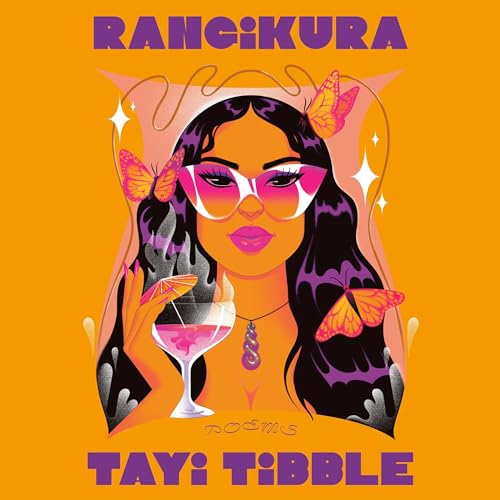
Rangikura
Poems
Impossibile aggiungere al carrello
Puoi avere soltanto 50 titoli nel carrello per il checkout.
Riprova più tardi
Riprova più tardi
Rimozione dalla Lista desideri non riuscita.
Riprova più tardi
Non è stato possibile aggiungere il titolo alla Libreria
Per favore riprova
Non è stato possibile seguire il Podcast
Per favore riprova
Esecuzione del comando Non seguire più non riuscita
5,75 € per i primi 30 giorni
Offerte di stagione
0,99 €/mese per i primi 3 mesi
L'offerta termina il 28 dicembre 2026.
Dopo 30 giorni (60 per i membri Prime), 9,99 €/mese. Puoi cancellare ogni mese
Risparmia più del 90% nei primi 3 mesi.
Ascolta quanto vuoi, scegliendo tra migliaia di audiolibri e serie originali inclusi.
Scarica il tuo audiolibro e ascolta offline, senza interruzioni
Rinnovo automatico a 9,99 €/mese dopo 3 mesi. Disdici mensilmente. L'offerta termina il 28 dicembre 2026.
Dopo esserti registrato per un abbonamento, puoi acquistare questo e tutti gli altri audiolibri nel nostro catalogo esteso, ad un prezzo scontato del 30%
Ottieni accesso illimitato a una raccolta di oltre migliaia di audiolibri e podcast originali.
Nessun impegno. Cancella in qualsiasi momento e conserva tutti i titoli acquistati.

Rangikura
Letto da:
Tayi Tibble
Acquista ora a 8,22 €
-
Letto da:
-
Tayi Tibble
-
Di:
-
Tayi Tibble
Tayi Tibble returns on the heels of her incendiary debut with a bold new follow-up. Barbed and erotic, vulnerable and searching, Rangikura asks readers to think about our relationship to desire and exploitation. Moving between hotel lobbies and all-night clubs, these poems chronicle life spent in spaces that are stalked by transaction and reward. “I grew up tacky and hungry and dazzling,” Tibble writes. “Mum you should have tied me/to the ground./Instead I was given/to this city freely.”
Here is a poet staking out a sense of freedom on her own terms in times that very often feel like end times. Tibble’s range of forms and sounds are dazzling. Written with Māori moteatea, purakau, and karakia (chants, legends, and prayers) in mind, Rangikura explores the way the past comes back, even when she tries to turn her back on it. “I was forced to remember that,/wherever I go,/even if I go nowhere at all,/I am still a descendent of mountains.”
At once a coming-of-age and an elegy to the traumas born from colonization, especially the violence enacted against indigenous women, Rangikura interrogates not only the poets’ pain, but also that of her ancestors. The intimacy of these poems will move readers to laughter and tears. Speaking to herself, sometimes to the reader, these poems arc away from and return to their ancestral roots to imagine the end of the world and a new day. They invite us into the swirl of nostalgia and exhaustion produced in the pursuit of an endless summer. (“My heart goes out like an abandoned swan boat/ghosting along a lake”). They are a new highpoint from a writer of endless talent.
adbl_web_anon_alc_button_suppression_t1
Ancora nessuna recensione